What are the differences between medical polymer casting bandages and splints used in orthopedics?
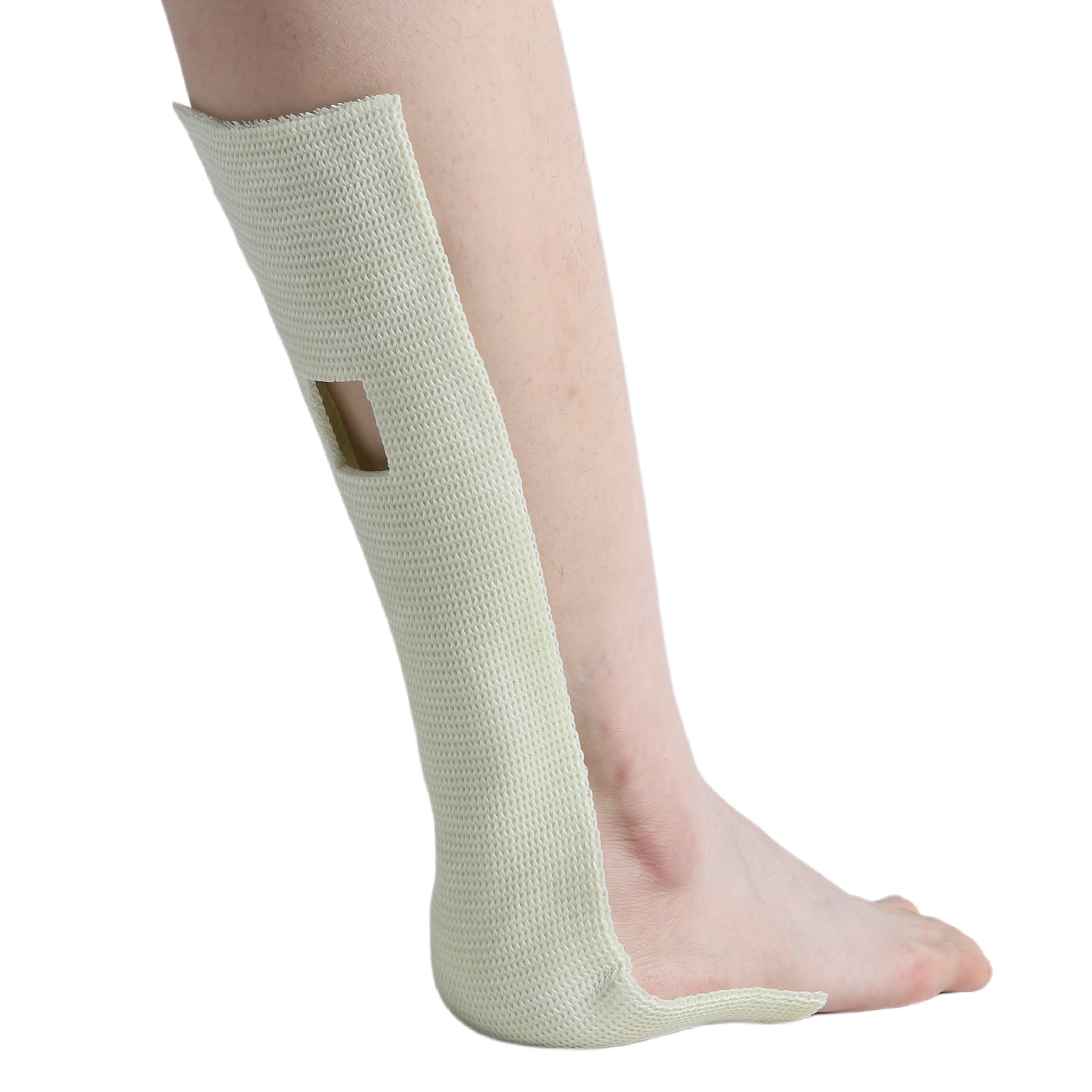
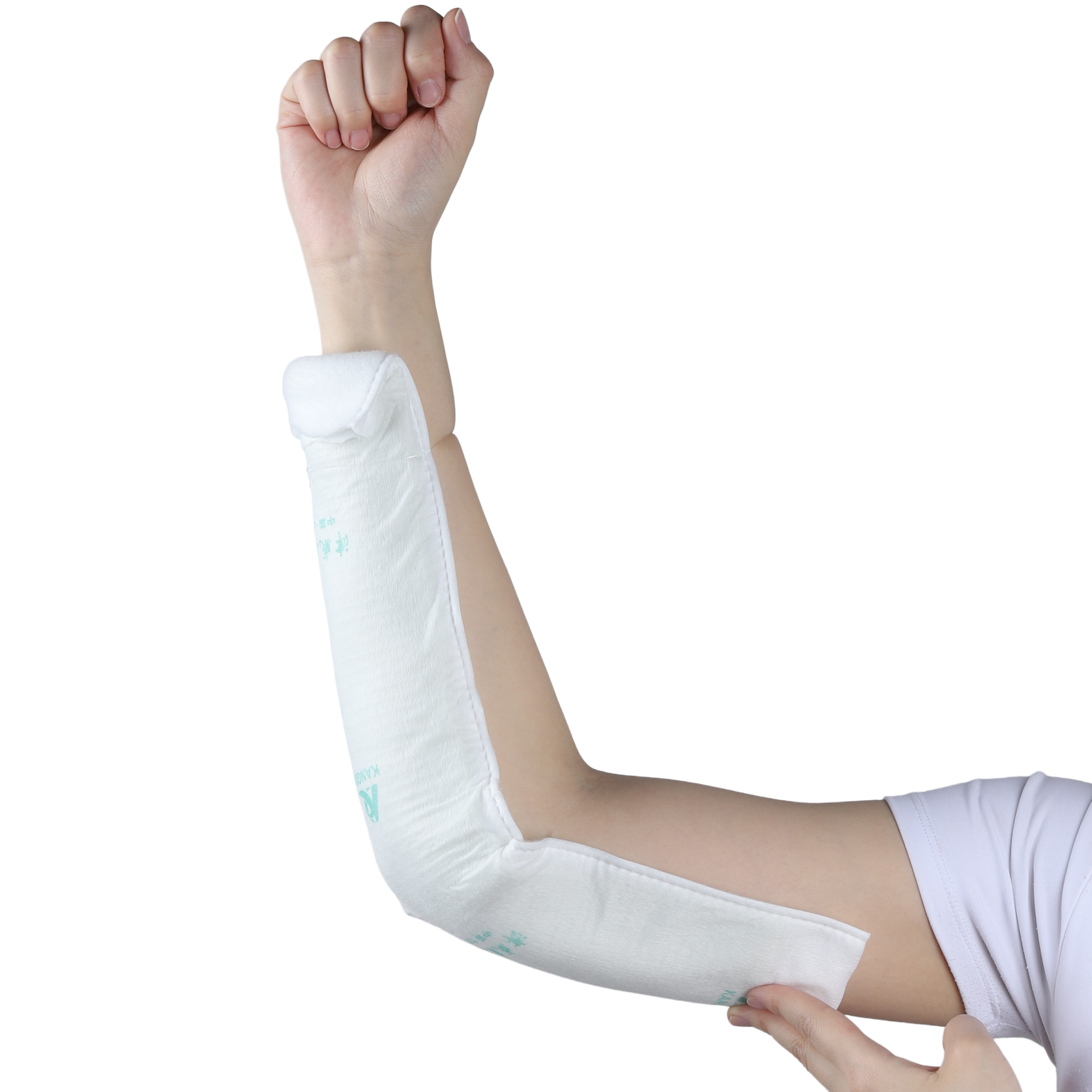
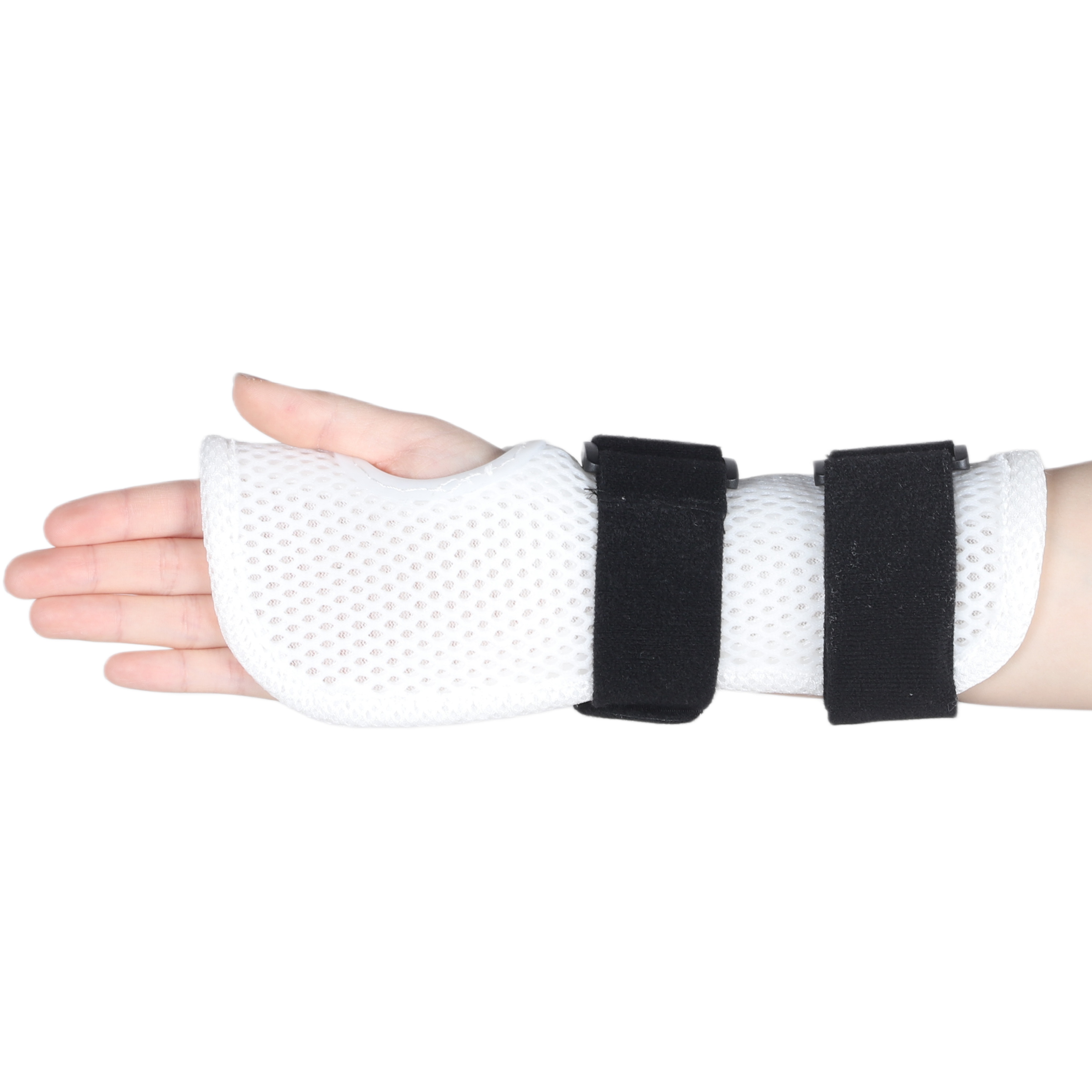
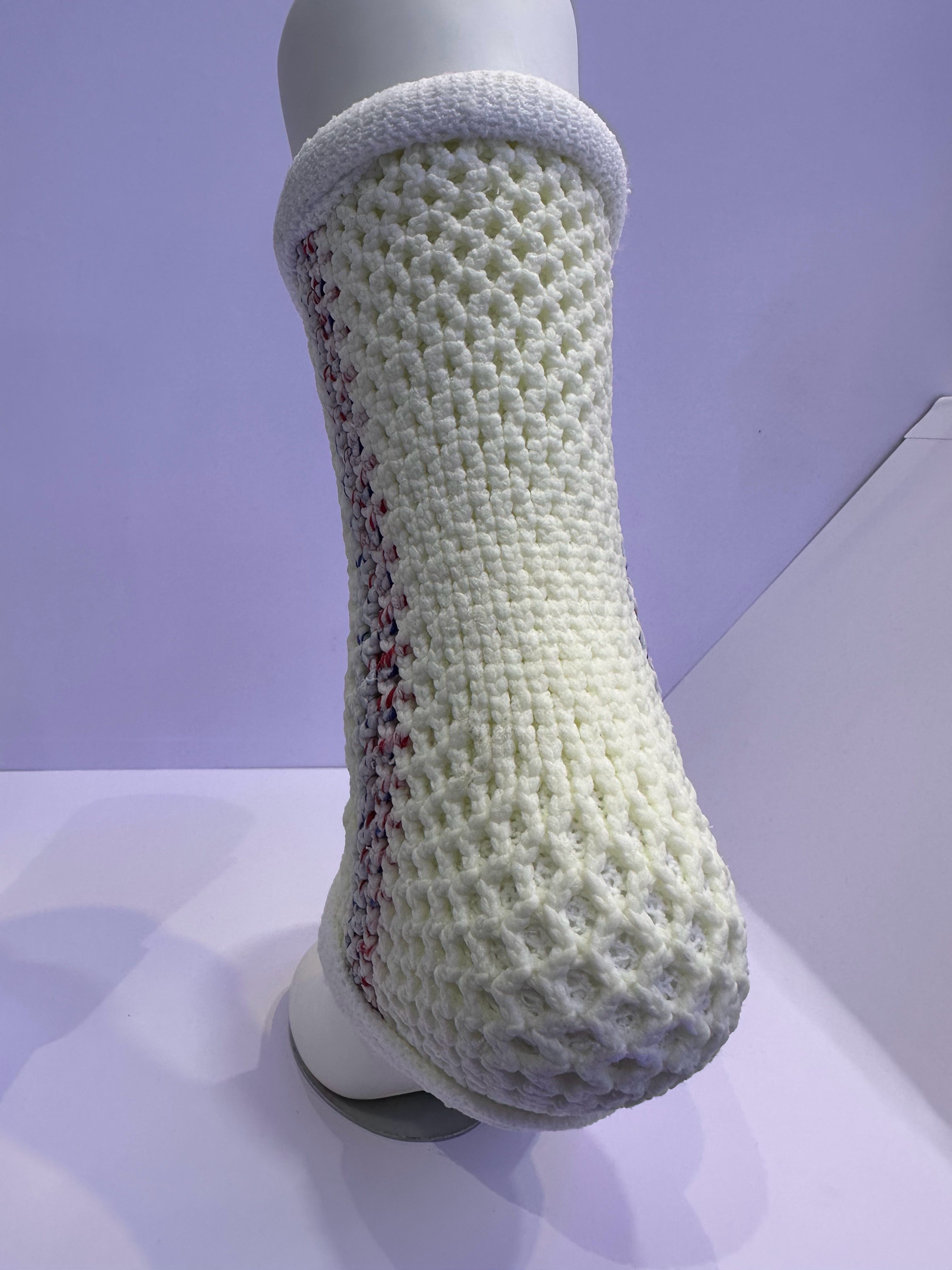
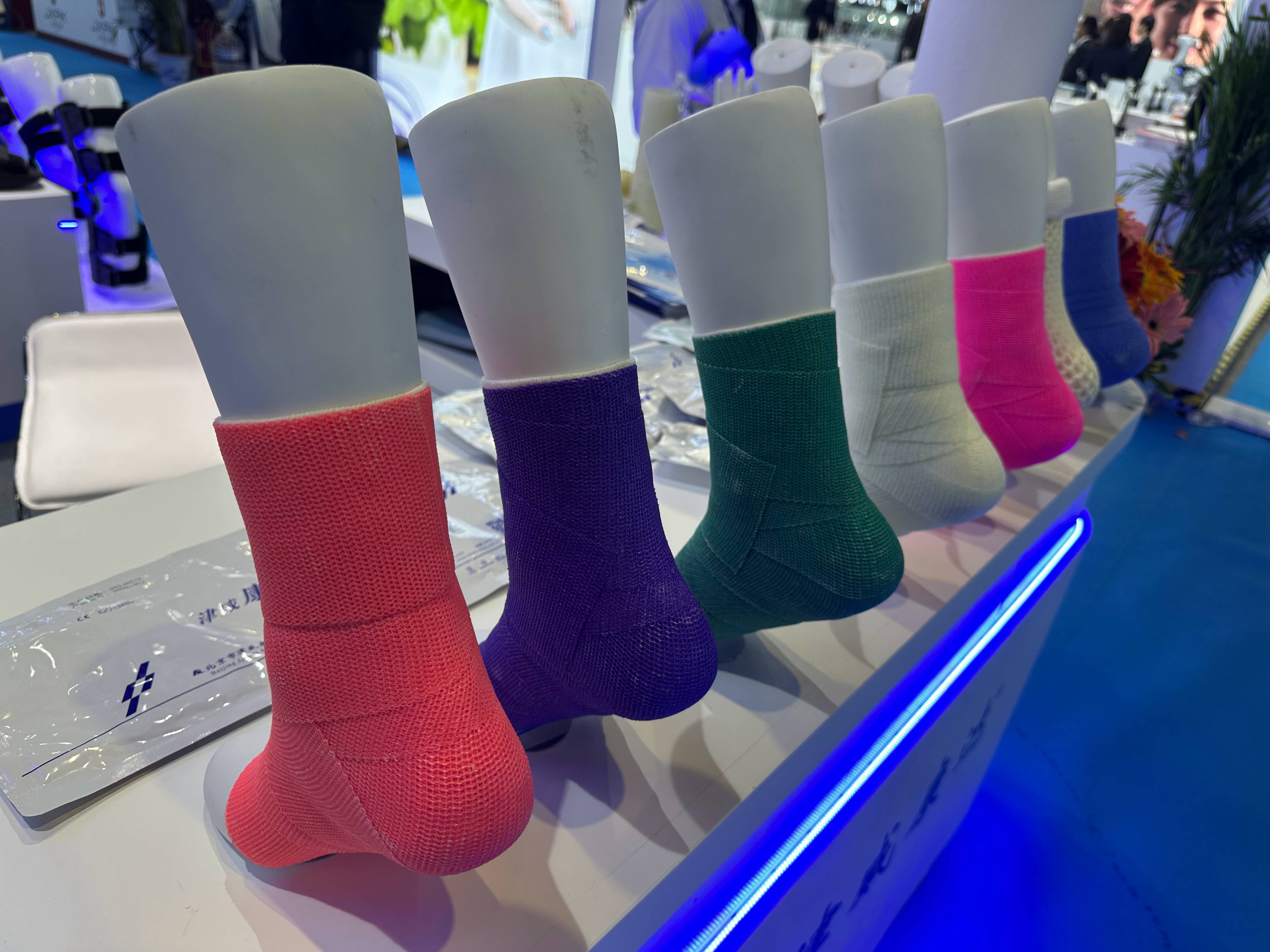
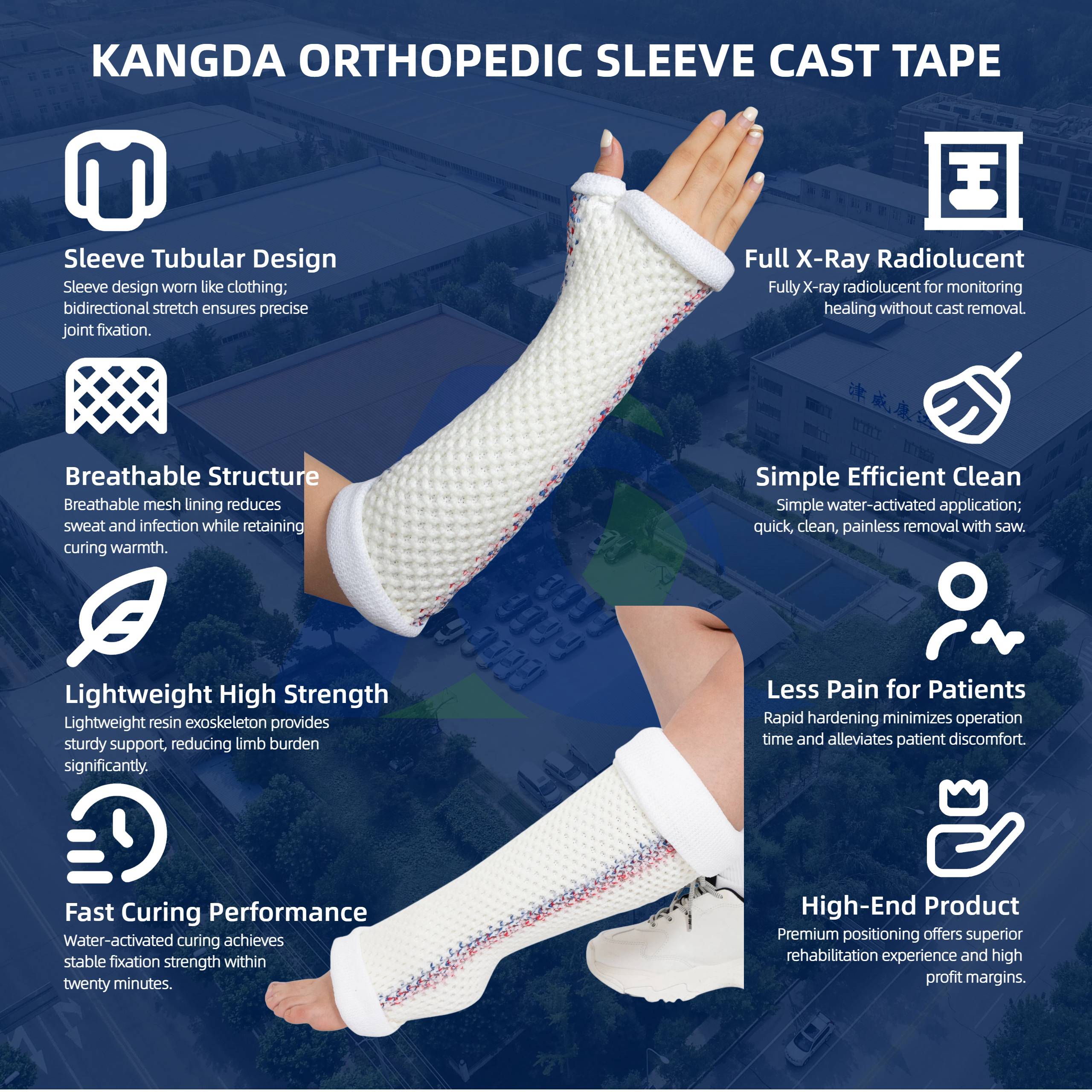
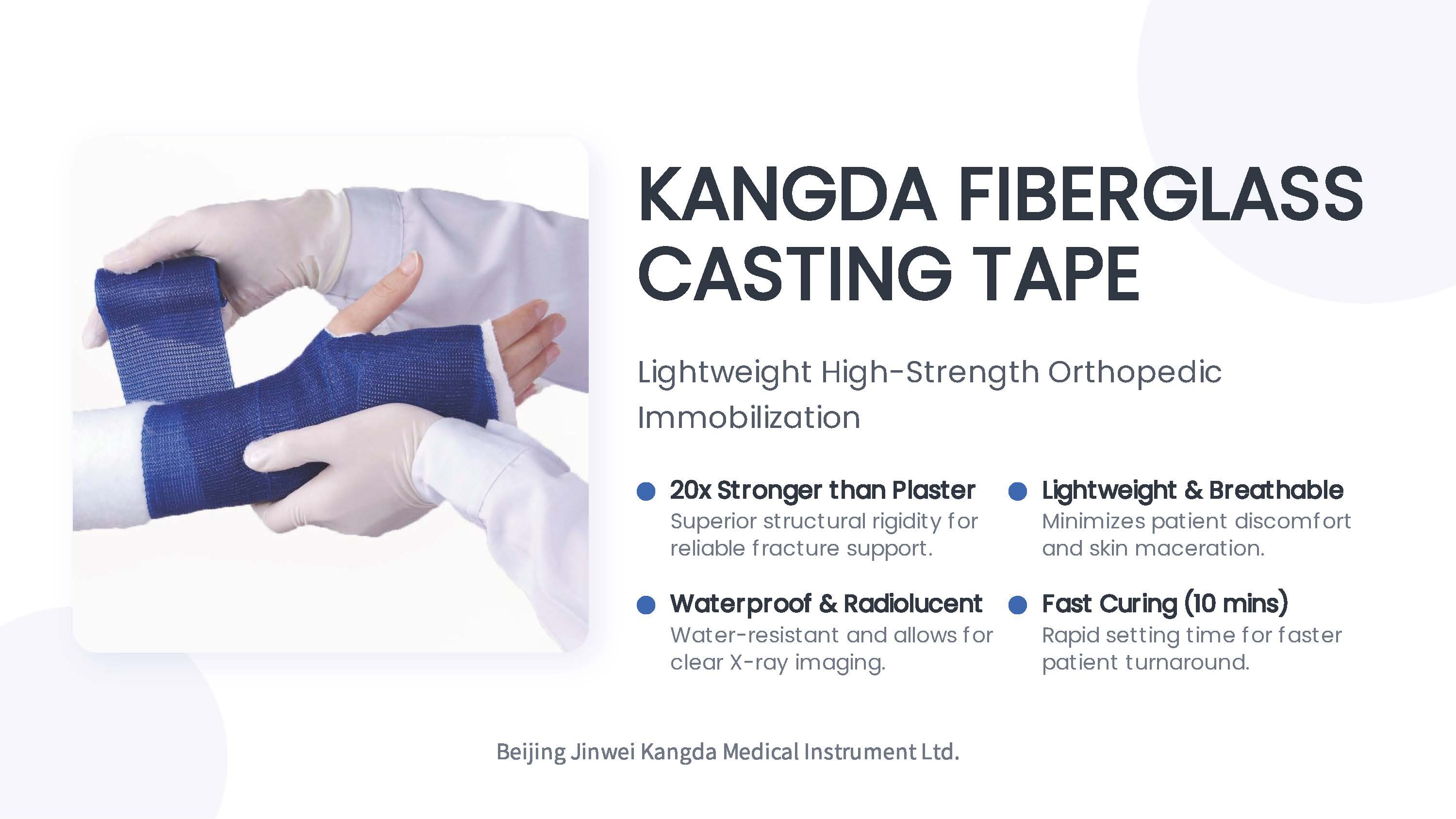
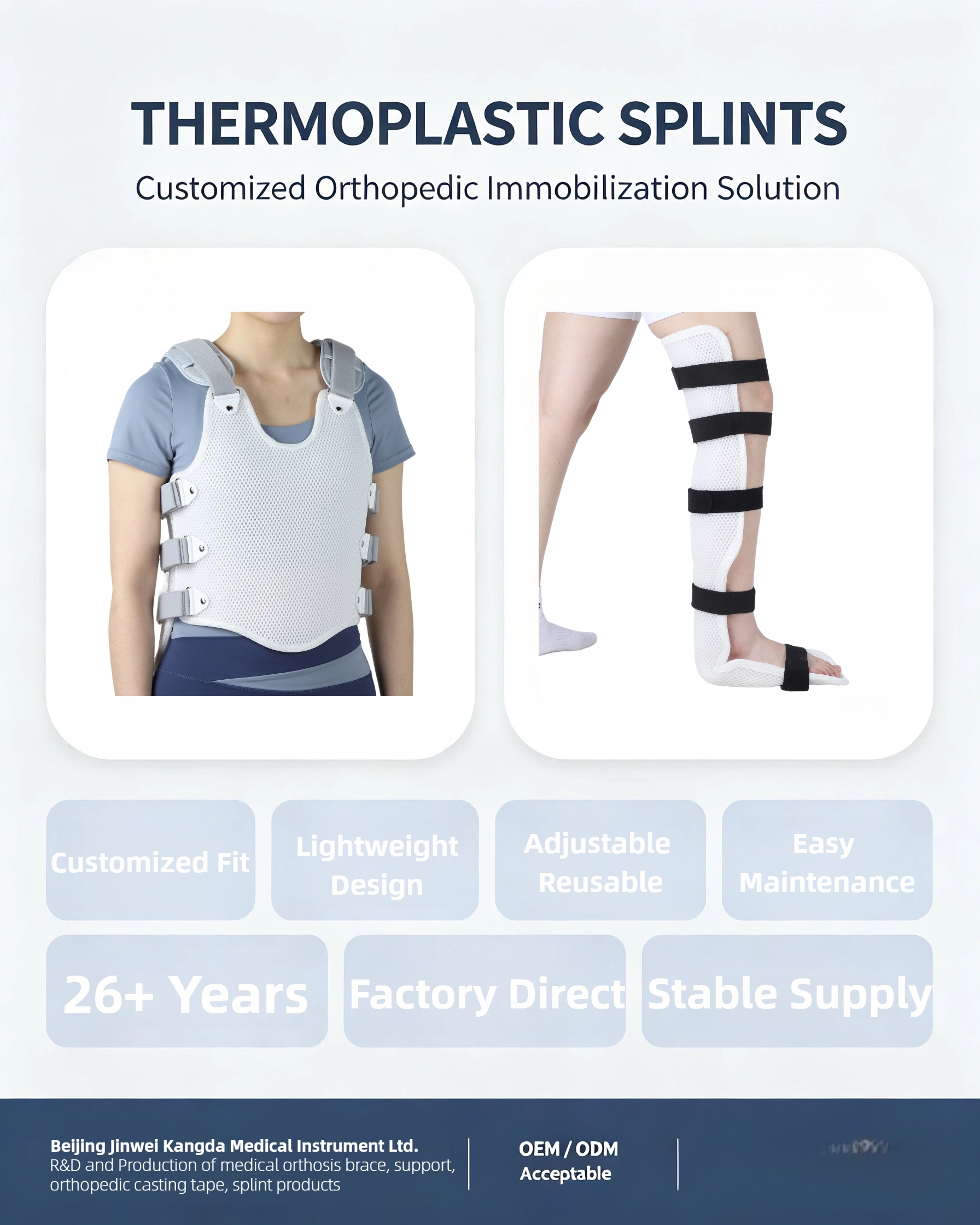
Immobilization is a crucial measure in treating fractures and dislocations. To meet the needs of clinical orthopedics, various immobilization products have emerged, breaking away from the traditional plaster cast immobilization model. These include polymer splints and medical polymer bandages.
Polymer casting splints and bandages have emerged in this context and have been warmly welcomed by clinicians and patients. So, what are the differences between these two types of polymer products, and what advantages do polymer immobilization products have over traditional products?
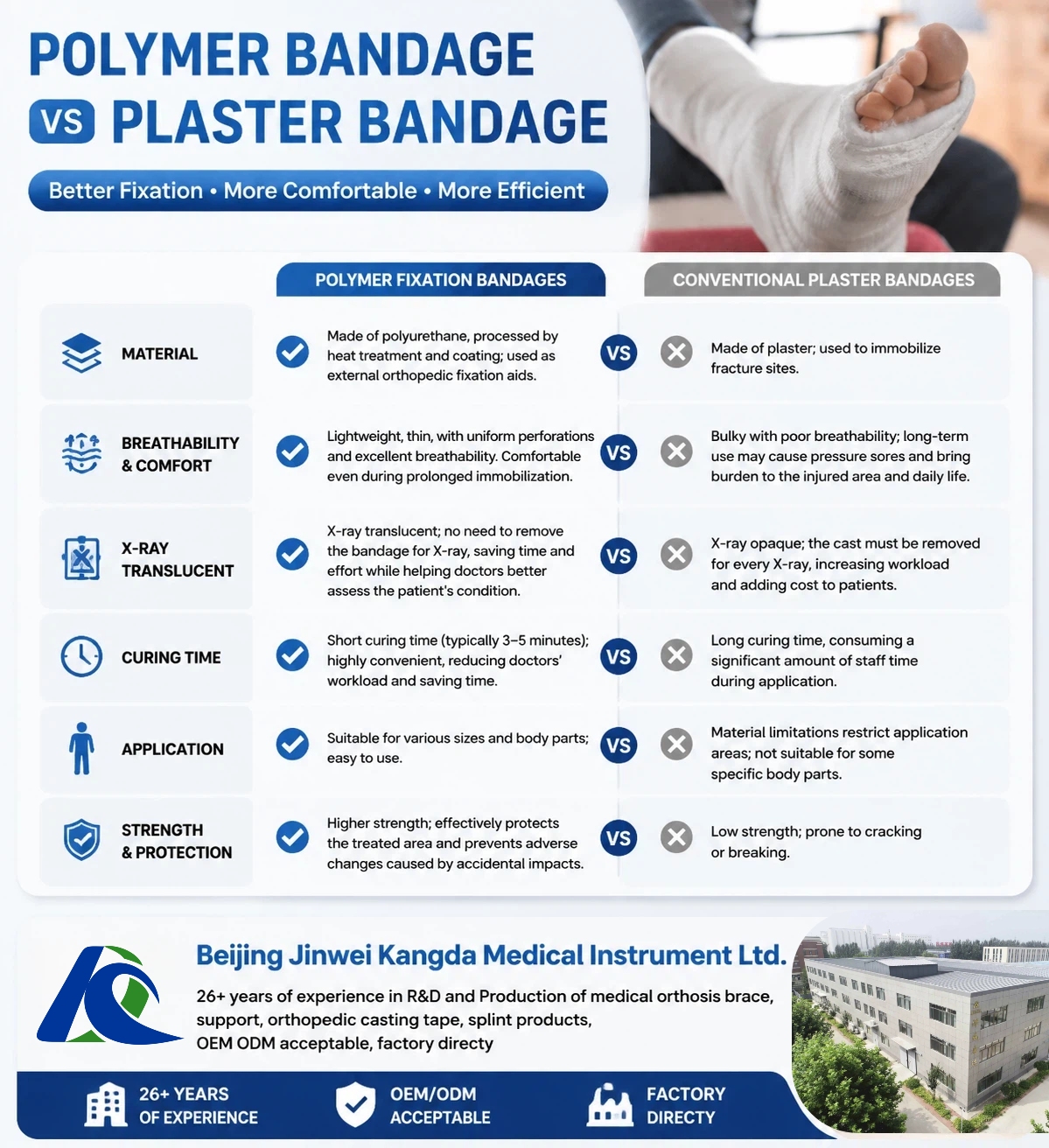
- Excellent breathability, preventing discomfort caused by poor breathability.
- Polymer products are 20 times harder than traditional plaster casts, and are of better quality, lighter, and promote local blood circulation.
- Low shrinkage after drying, preventing dry and itchy skin.
- Excellent breathability, clear X-ray results, allowing doctors to better control the affected area.
- Convenient, flexible, and highly malleable. High bending and tensile strength.
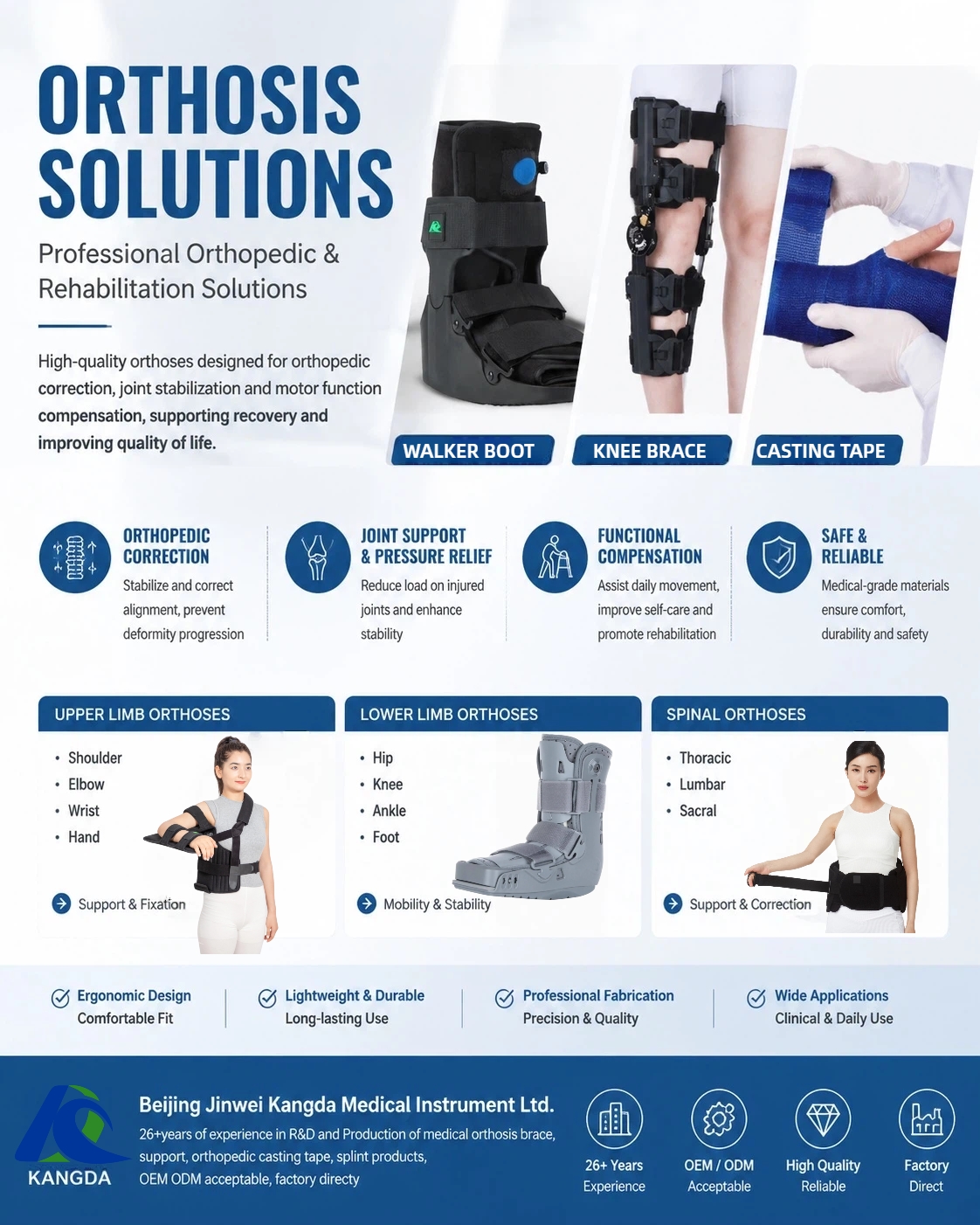
- Suitable for orthopedic, prosthetic, and support devices, as well as local protective braces in burn wards.
So what's the difference between these two?
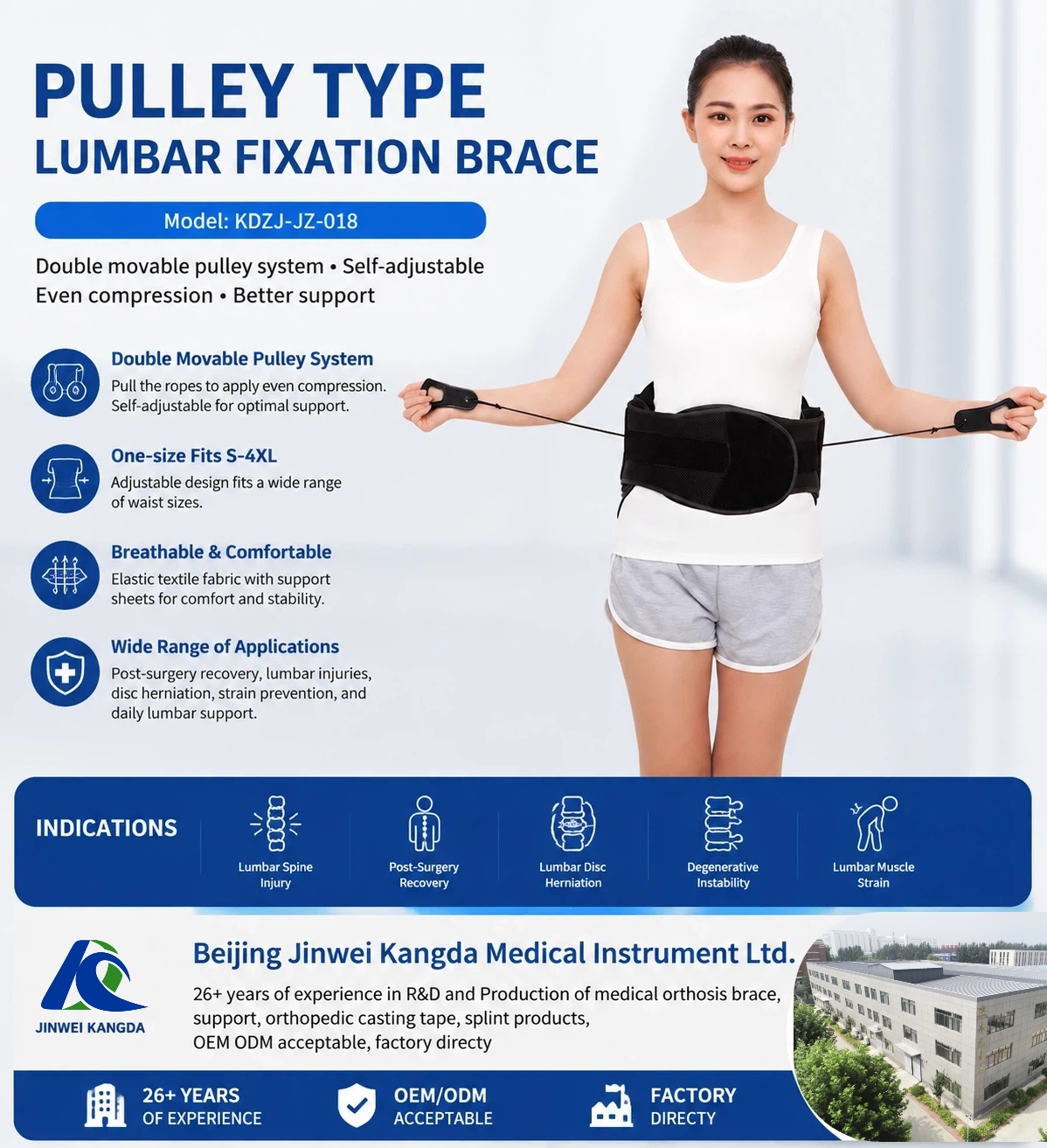
Generally, polymer splints are mainly used for temporary fixation after fractures, for postoperative care and dressing changes; the appropriate size should be selected.
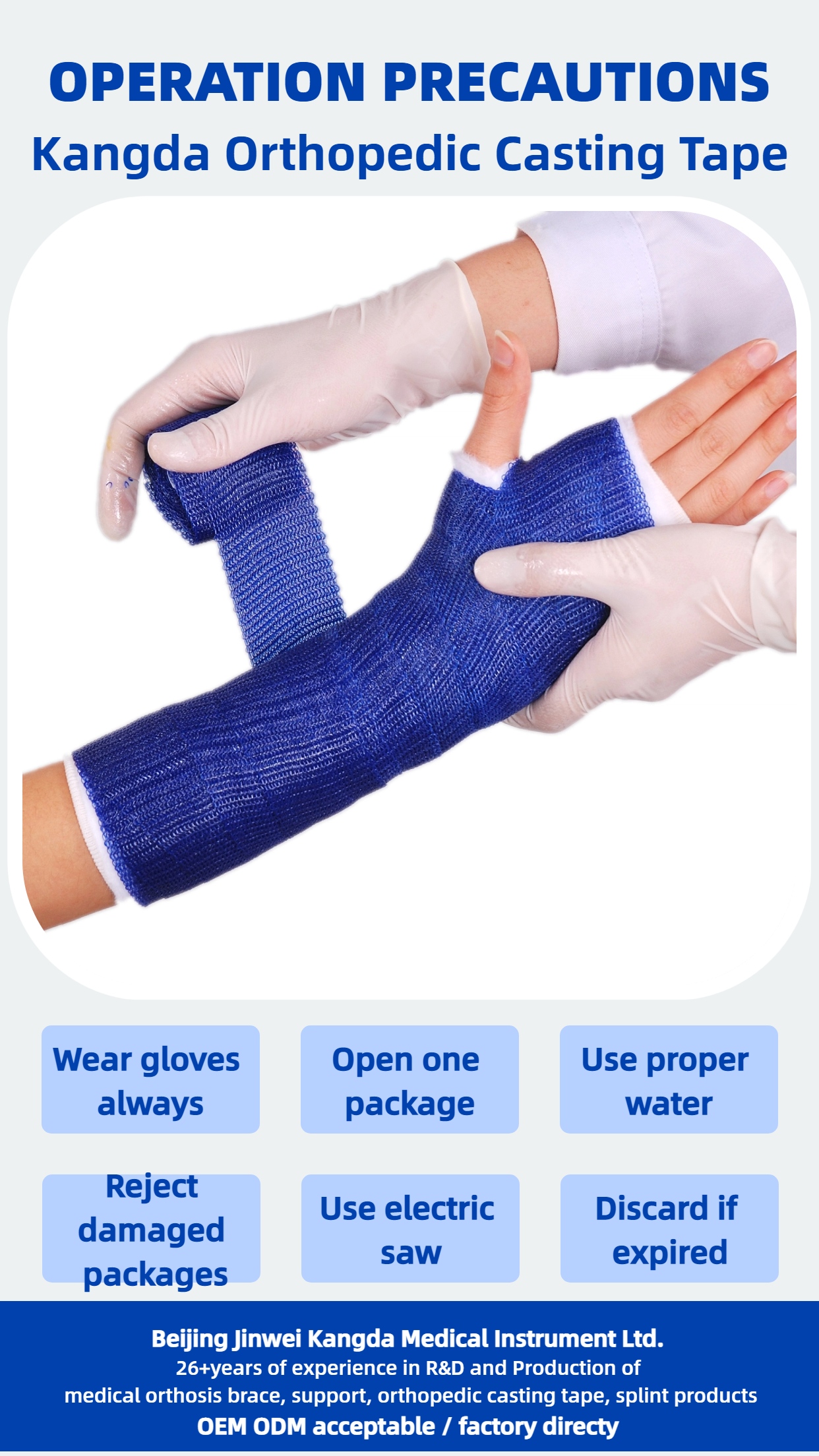
Polymer bandages, on the other hand, are used for long-term fixation during later rehabilitation. Appropriate sizes can be selected according to different locations. A cotton cover is placed over the injured area, and the bandage is molded as needed to ensure a tight fit and fixation.