



Why Brace Is Required After Ankle Sprain
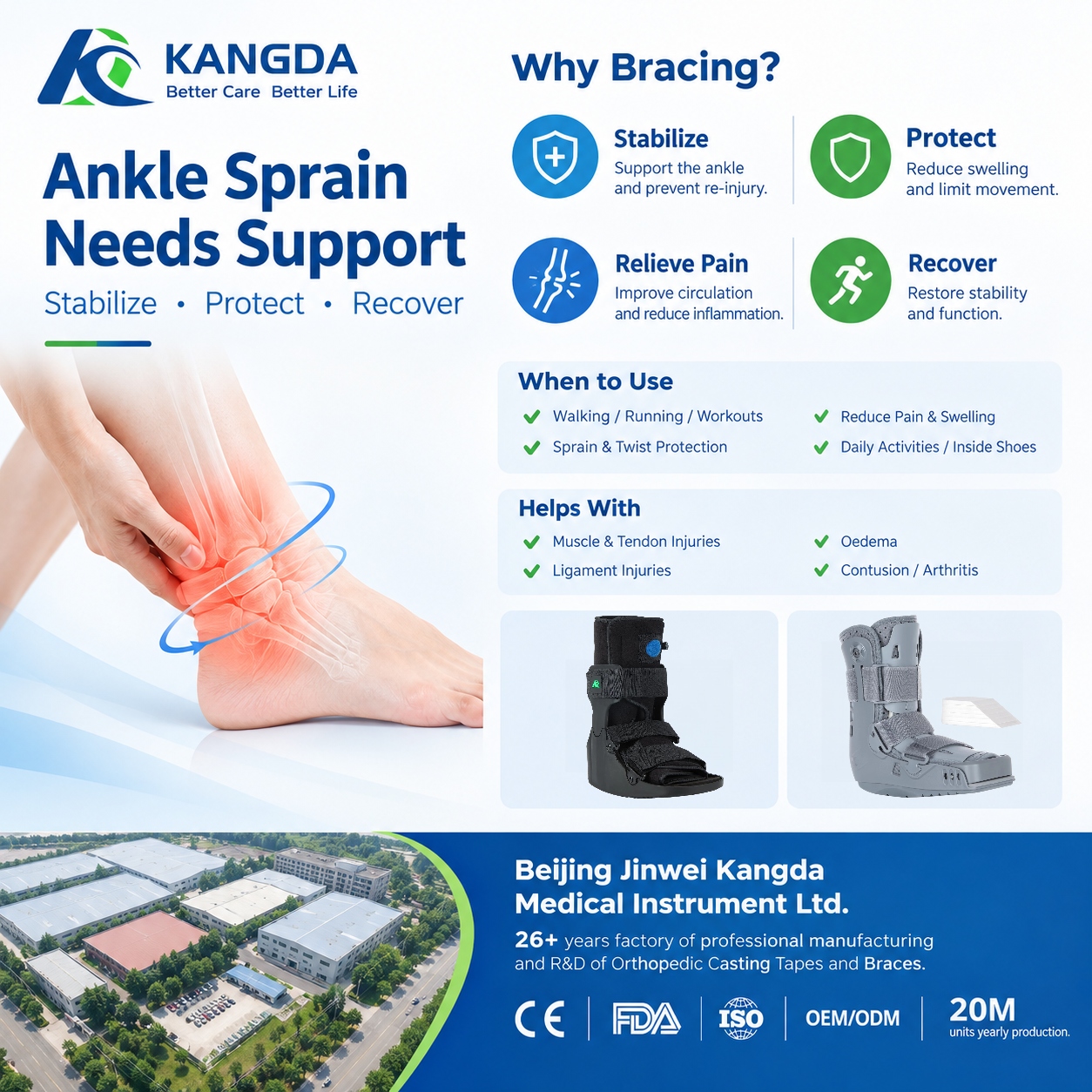
Ankle sprain, medically known as ankle twisting injury, occurs when external force drives the ankle joint beyond its maximum range of motion. This stretches and tears the muscles, ligaments and even joint capsule around the joint, resulting in pain, swelling and limping. Reports show a large number of people suffer ankle sprains every day, which may lead to pain, chronic ankle instability and post-traumatic arthritis.
Management After Ankle Sprain
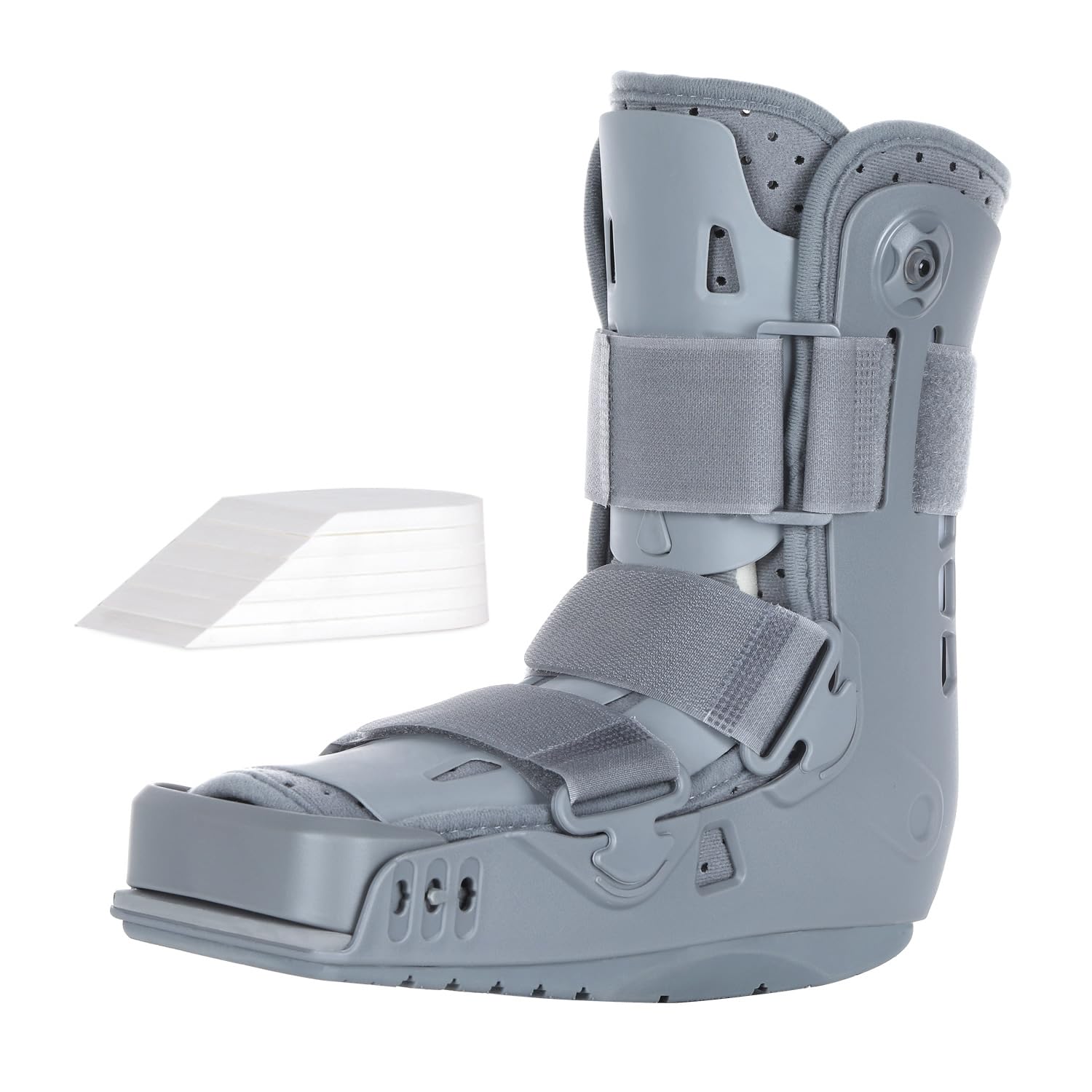
For mild ankle sprains with low-impact trauma, swelling usually lasts 1 to 2 weeks. Immediate rest and ice compression are recommended. However, if the sprain is caused by severe force, hospital visit and X-ray examination are advised. If severe periarticular injury occurs without fracture, polymer splint or external fixation brace is routinely applied after injury to minimize the duration of swelling and pain. If fracture is present, the treatment plan shall be determined according to fracture conditions. Ankle sprains combined with fracture generally require a longer recovery period.
Continued walking and topical blood-activating detumescent medications are not recommended after ankle sprain, as they aggravate injury and soft tissue swelling. Improper treatment may cause laxity of ligaments and joint capsule. The laxity of injured ligaments directly impairs ankle stability, further resulting in recurrent ankle sprains and ankle degeneration.
Why Most Ankle Sprains Occur on the Lateral Side
The talar body is wider anteriorly and narrower posteriorly. The anteroposterior diameter of the lateral side is longer than that of the medial side, and the distal tibial articular surface is wider laterally and narrower medially. Such special anatomical structures lead to a high incidence of ankle sprains. Approximately 85% of ankle injuries involve the lateral side. The lateral ankle ligaments mainly include the calcaneofibular ligament, anterior talofibular ligament and posterior talofibular ligament. After ankle sprain, the lateral ligaments and their attachment sites are prone to injury and avulsion fracture. Among them, the anterior talofibular ligament is the primary structure preventing anterior displacement of the talus. It is the weakest ligament and most vulnerable during ankle inversion injury, which may cause avulsion fracture at the talar attachment.
Can Ankle Sprain Cause Fracture?
Avulsion fractures of various types often present false-negative X-ray results because avulsed bone fragments are small or overlapped. In addition, missed diagnosis of avulsion fracture and ligament injury frequently happens due to insufficient patient attention, failure to take X-rays and inappropriate management.
Personalized Treatment Based on Doctor’s Advice for Different Injuries
1.For patients without fracture or ankle dislocation, semi-Rigid Ankle Brace fixation for 3 weeks is sufficient for ligament repair.
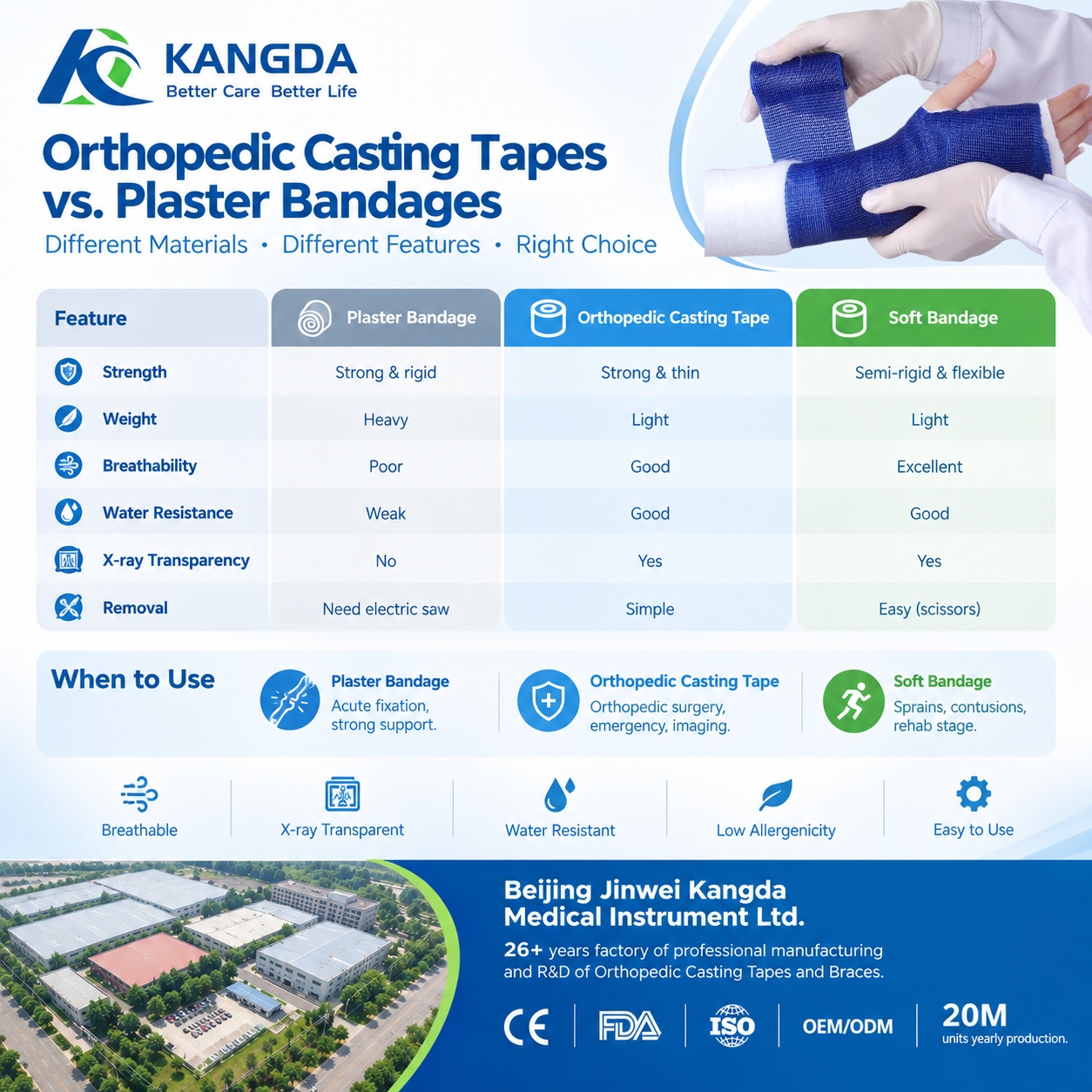
2.In cases of avulsion fracture, polymer splint fixation for 6–8 weeks is required until fracture union. Hinged Braces are optional for subsequent functional rehabilitation.
3.Severe injuries such as significantly displaced fractures and ankle dislocation require surgical intervention, followed by external fixation or Hinged Braces for recovery.