ThoracolumbarThermoplastic Splint
Material & Molding Properties
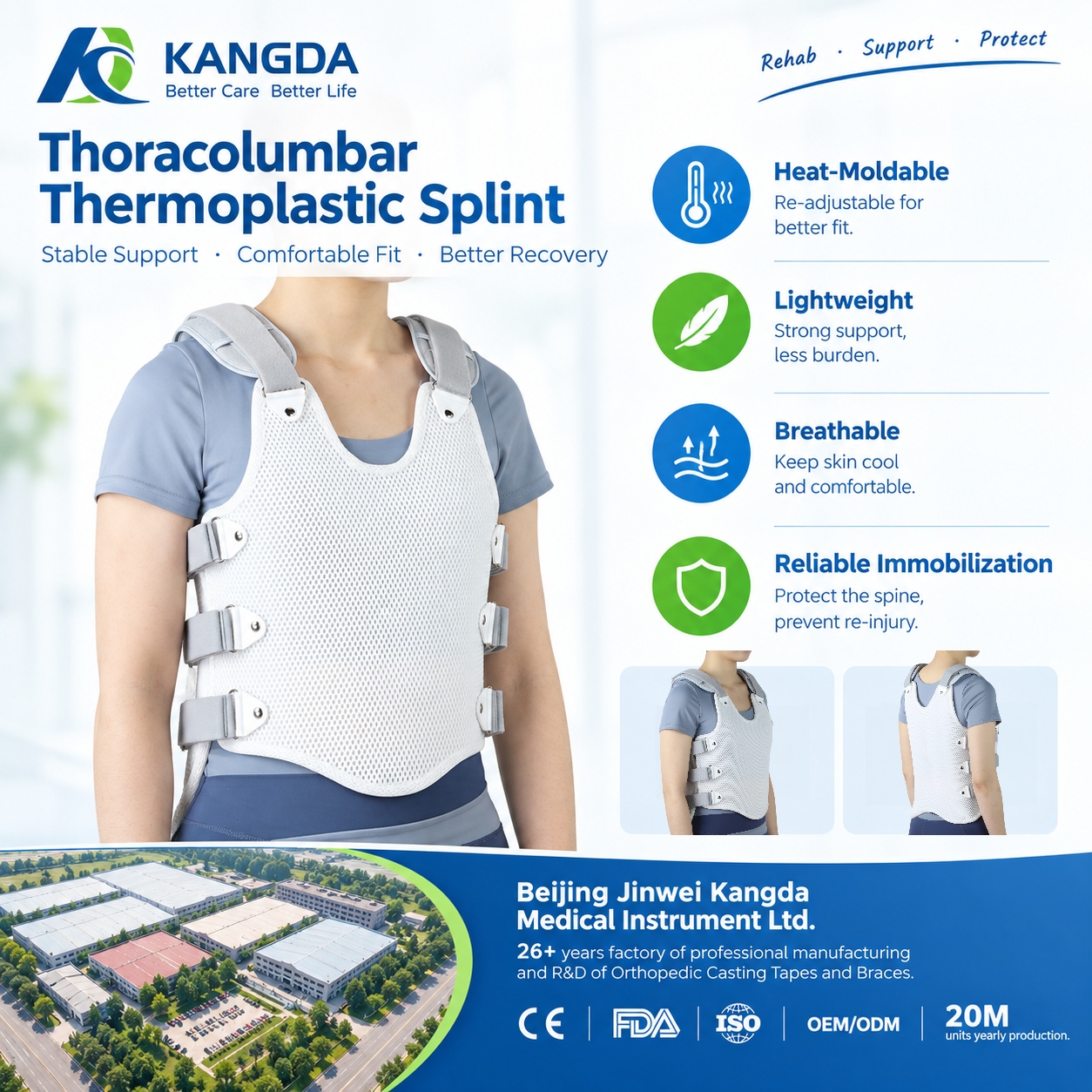
Heat-moldable and re-adjustable: Low-temperature thermoplastic sheets soften upon heating and can be contoured to fit the patient’s thoracic and spinal anatomy. They can be reheated and reshaped if body changes occur or fit needs adjustment, and partial trimming is available to accommodate different body types.
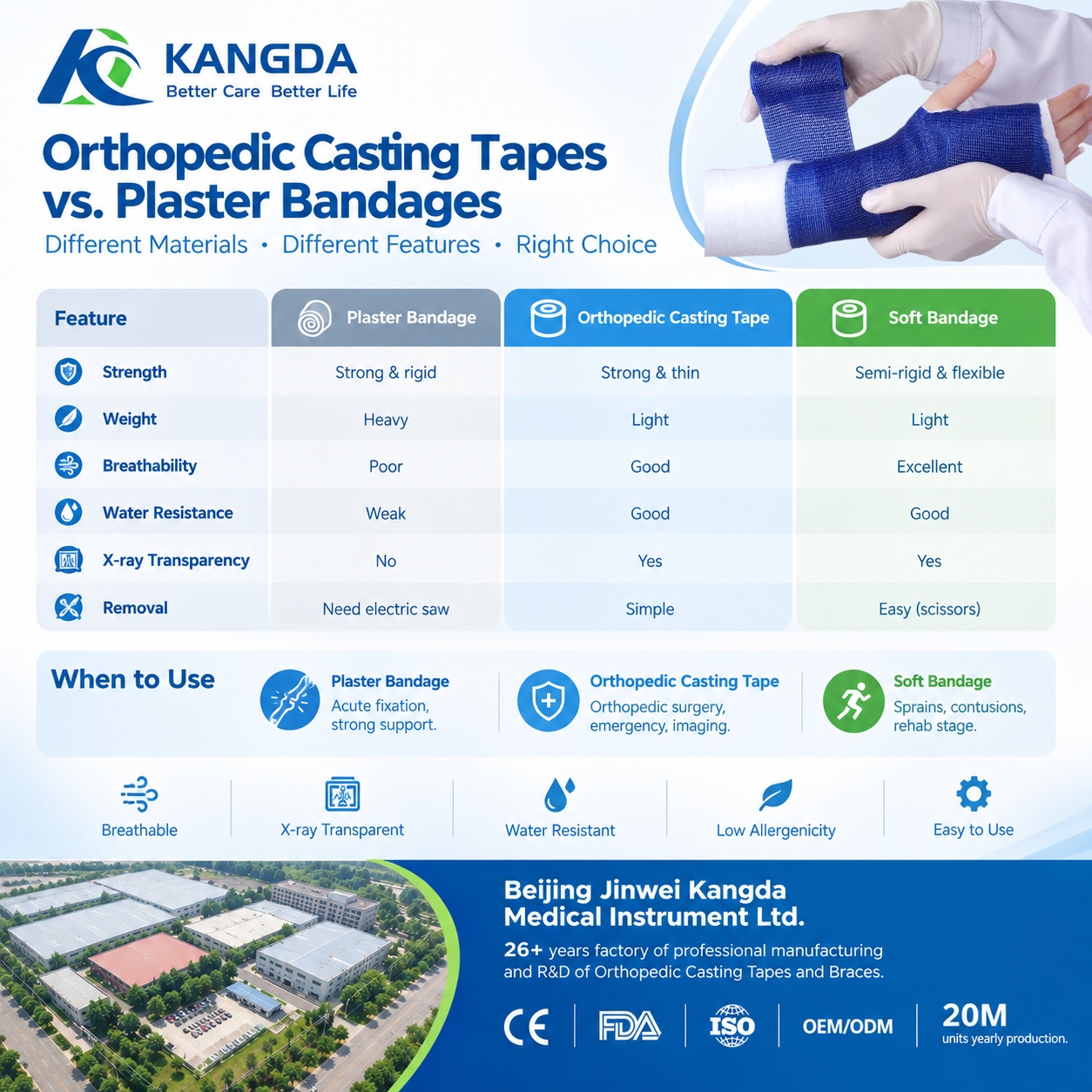
High rigidity and light weight: After cooling and curing, the material delivers excellent rigidity to restrict flexion, extension and rotation of the spine and stabilize the thoracolumbar region. Compared with traditional plaster casts, it is much lighter and imposes less burden during wear.
Structural & Wearing Features
Breathable honeycomb perforated panel: Dense perforations on the sheet facilitate heat dissipation and perspiration wicking, avoiding sweat buildup and skin irritation during long-time wear.
Open-style strap adjustment design: A combination of shoulder straps, multiple fastening belts, buckles and hook-and-loop fasteners enables easy donning and freely adjustable tightness. Padded shoulder straps reduce compression and friction.
Split structure: Consists of front and rear thermoplastic panels, making it convenient for patients to put on and take off while lying in bed or getting up, without full removal of the brace.
Clinical Advantages
Reliable immobilization effect: Provides biomechanical support to limit thoracolumbar movement. Indicated for thoracolumbar compression fractures and external fixation after spinal surgery, it reduces vertebral stress, protects the injured site and prevents secondary injury.
Limitations
Heat molding requires tools such as heat guns, and initial shaping must be performed by qualified professionals. The material cannot withstand sustained high temperatures; the panel will soften and deform under high-temperature environments.