

0102030405
Rehabilitation for Triangular Fibrocartilage Complex (TFCC) Injuries of the Wrist
2026-05-18
Injuries to the Triangular Fibrocartilage Complex (TFCC) of the wrist are typically caused by trauma—such as falls on an outstretched hand with the wrist extended—or by chronic repetitive strain involving wrist rotation.
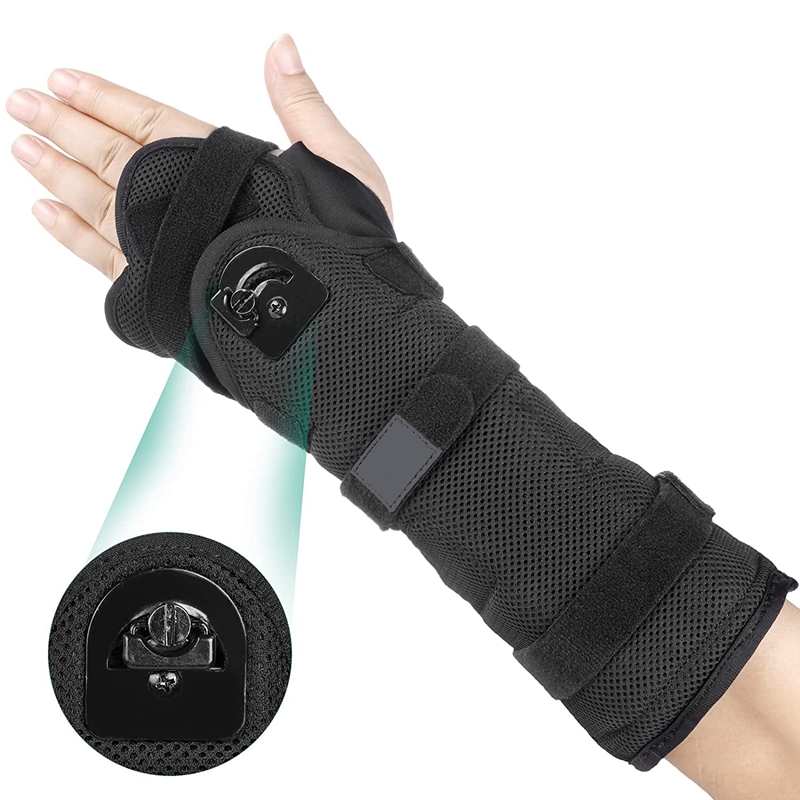
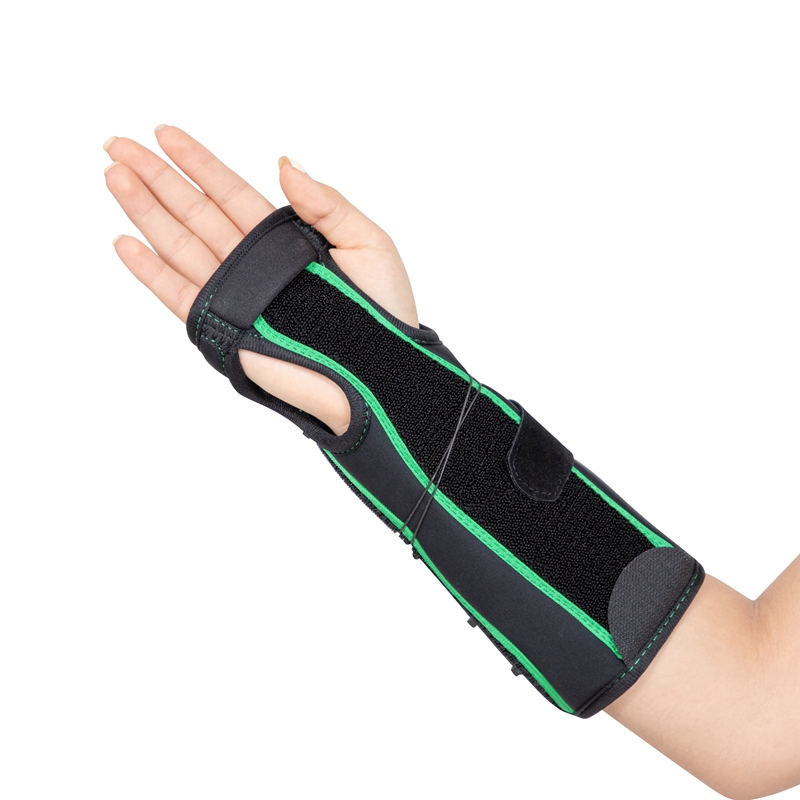
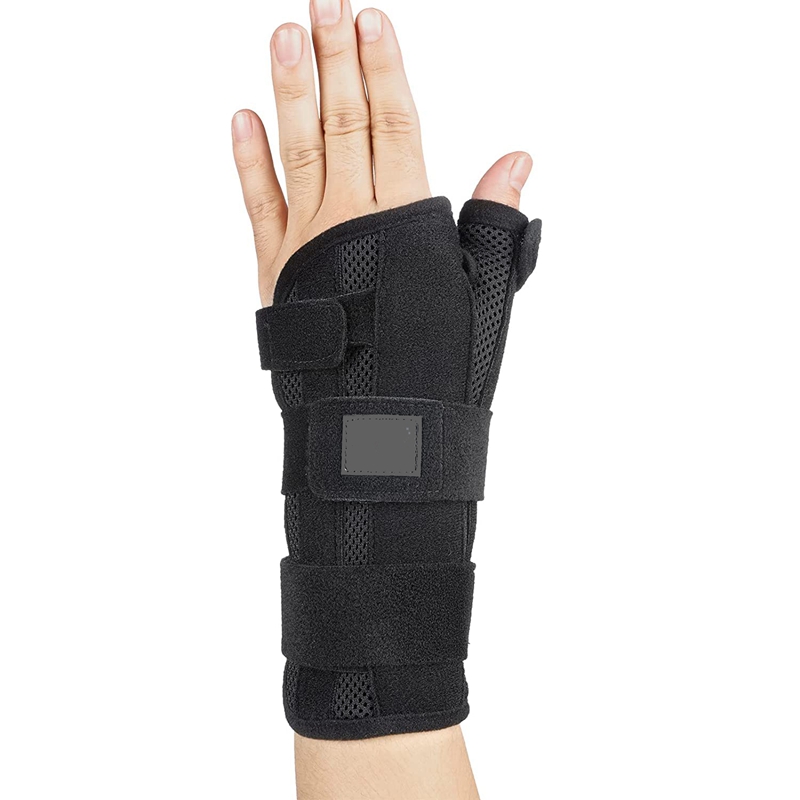
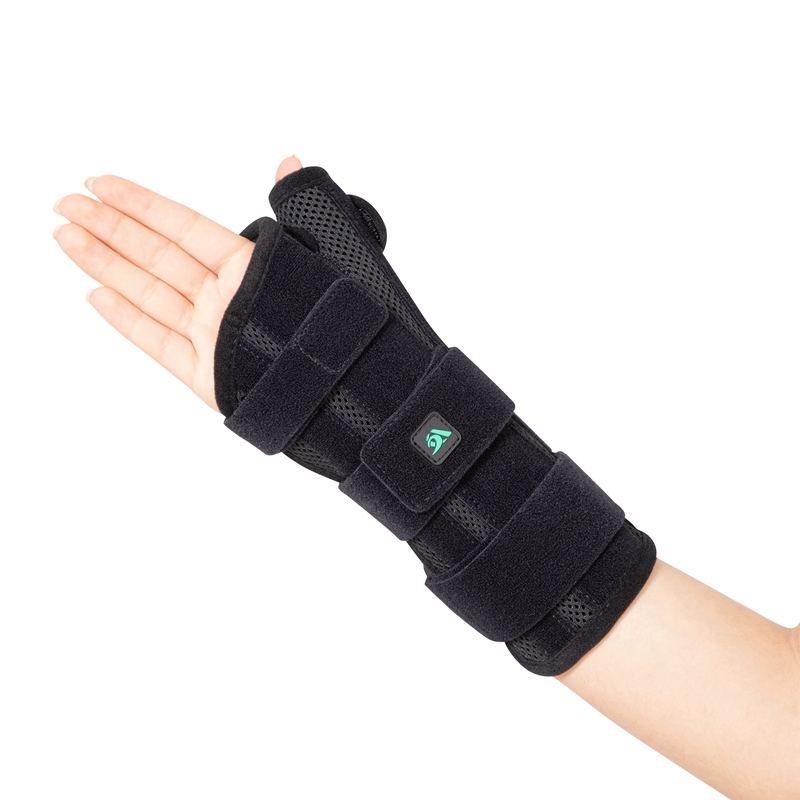
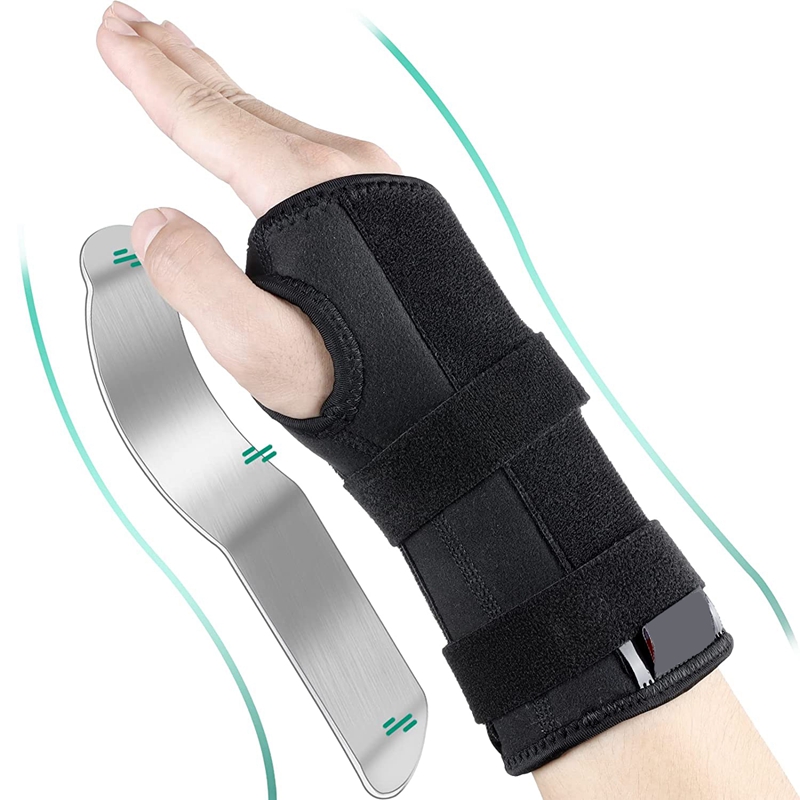
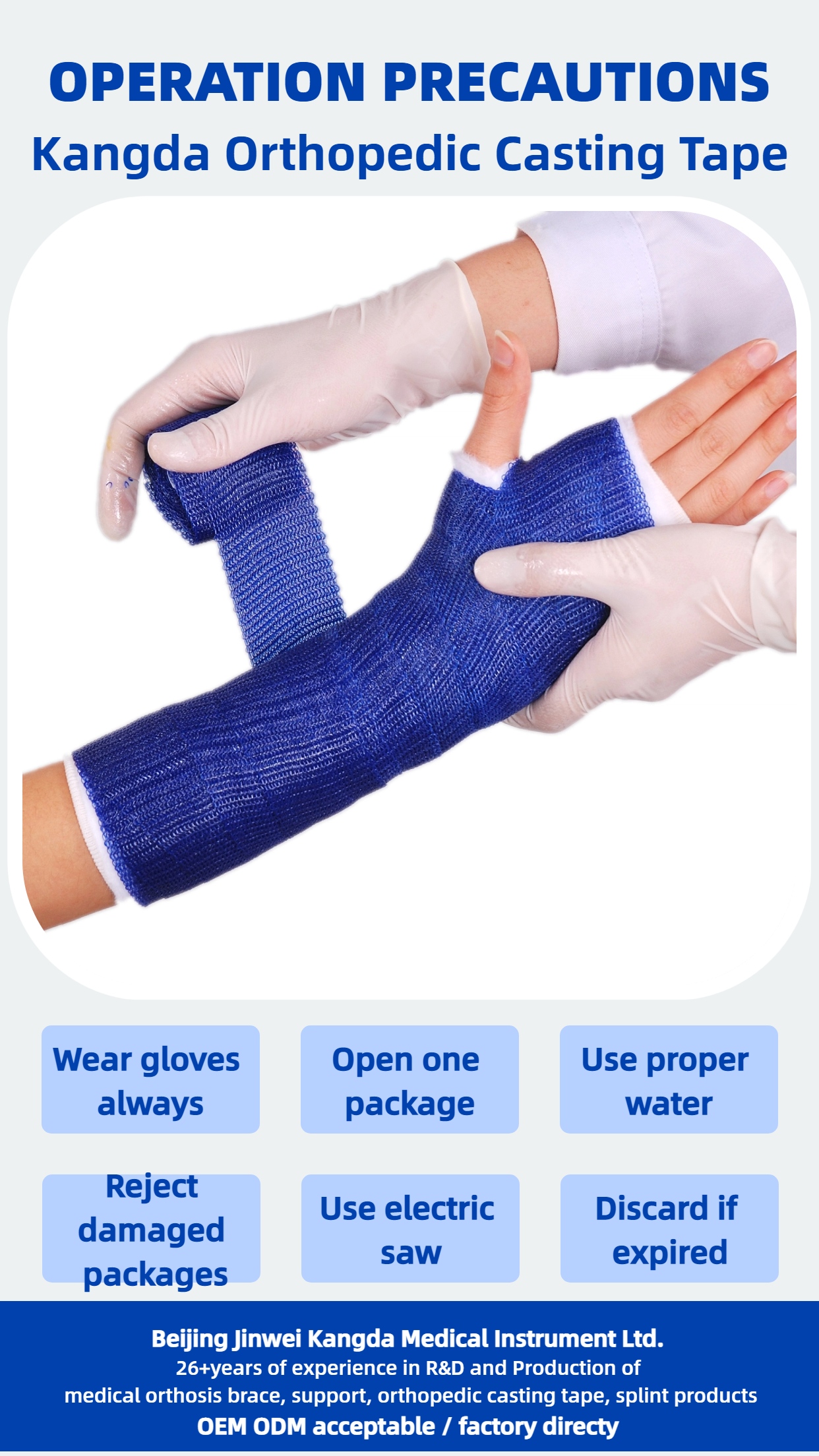
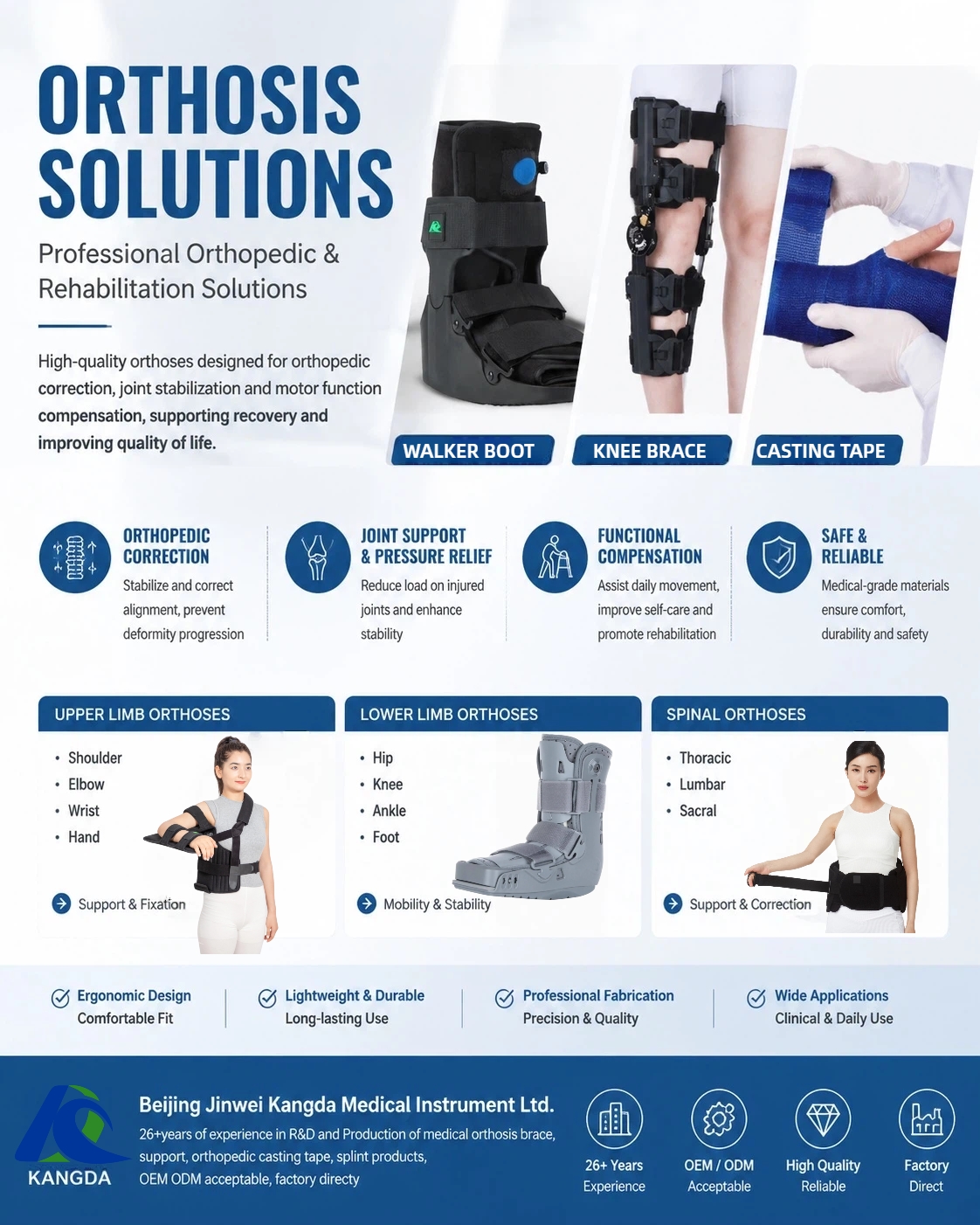
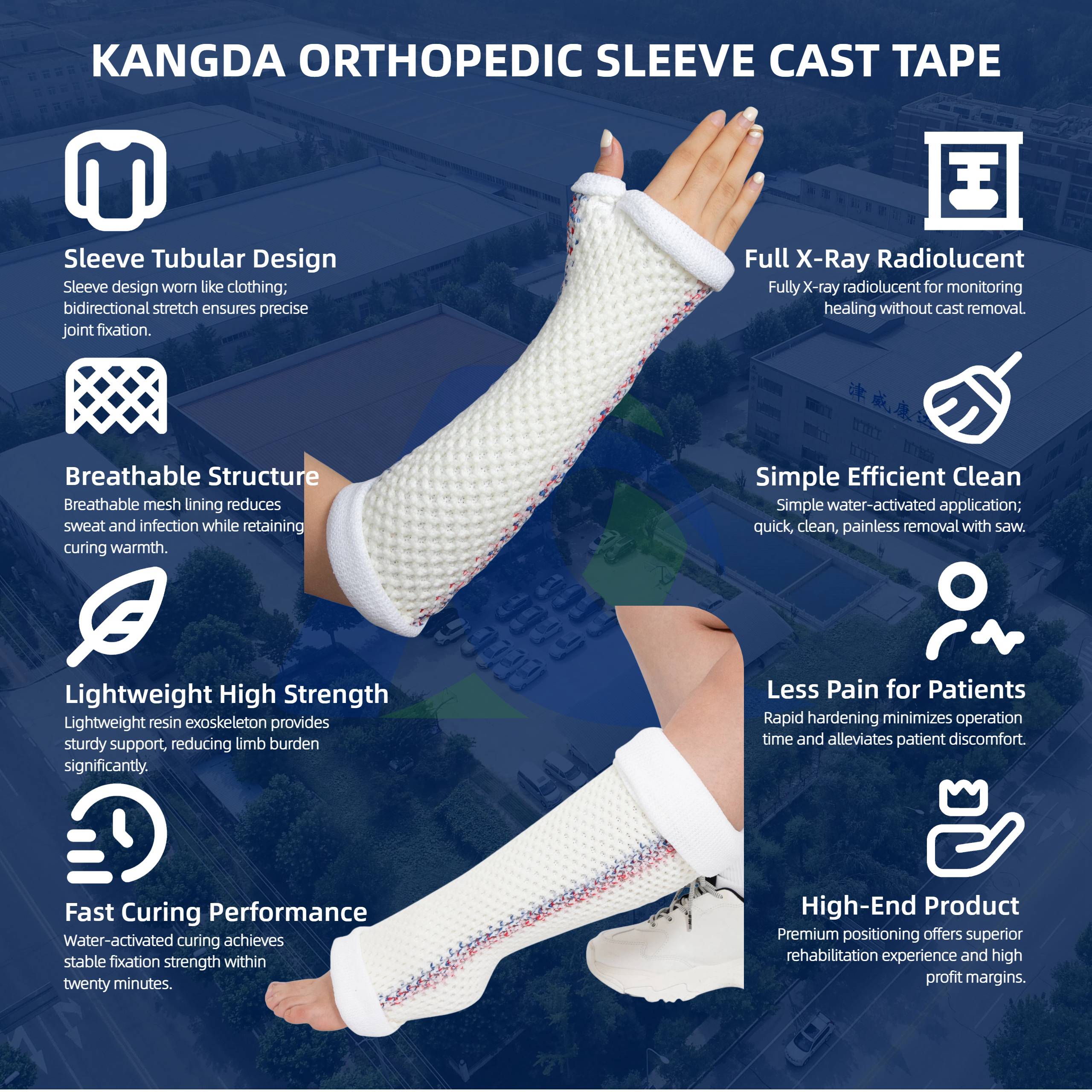
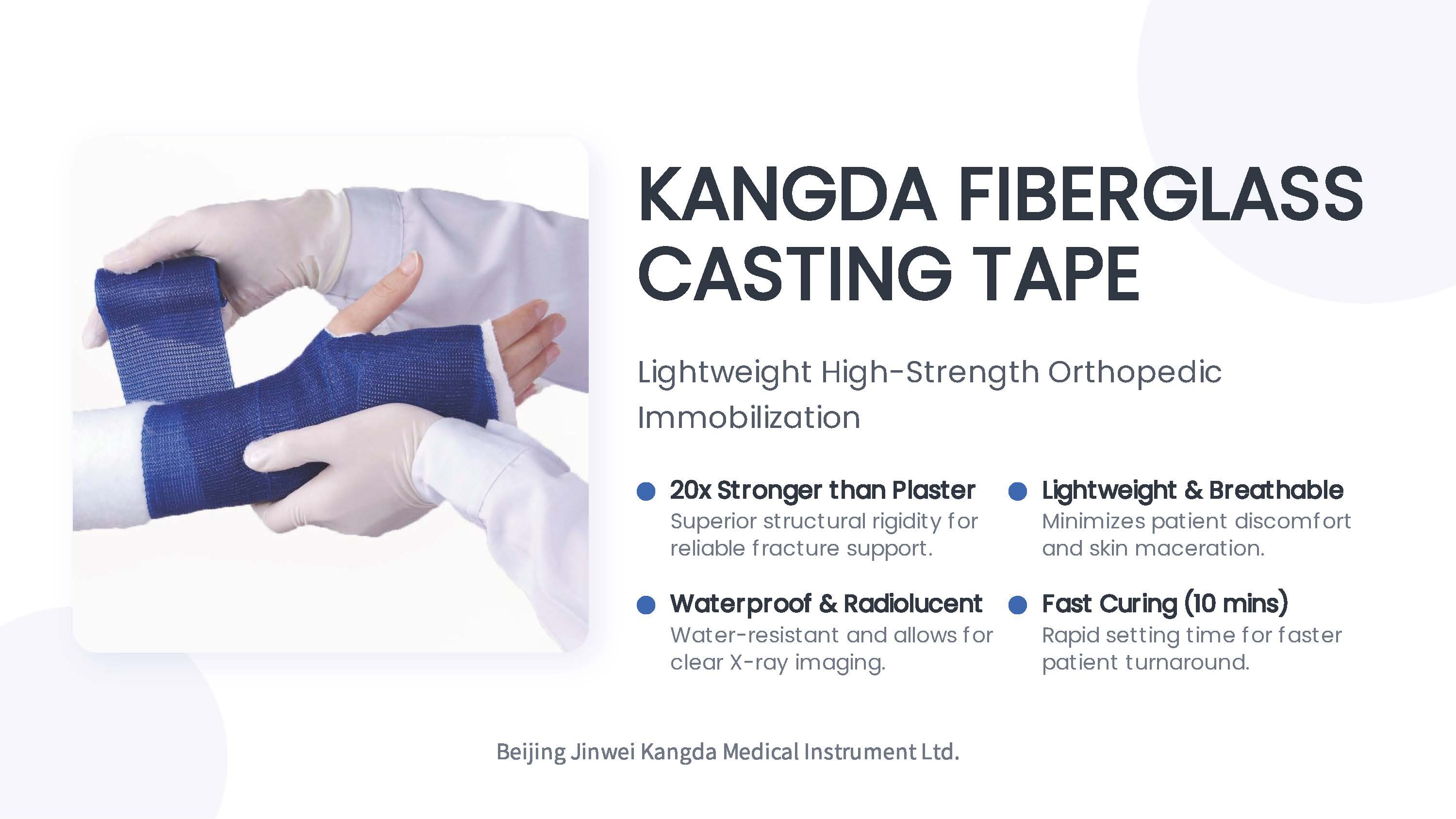
These injuries are commonly observed among office workers and sports enthusiasts. During the acute phase, a wrist splint should be worn to restrict wrist rotation and ulnar deviation, thereby minimizing friction between the cartilage surfaces and alleviating pain and swelling.
Rehabilitation training should focus primarily on gentle exercises. Once pain has subsided, exercises involving wrist flexion and extension, as well as forearm rotation, may be gradually introduced to strengthen the muscles surrounding the wrist. During this period, strenuous activities—such as wringing out towels or lifting heavy objects—must be avoided.
It is essential to continue wearing the splint for protection and to proceed with rehabilitation in a gradual, progressive manner; under no circumstances should high-intensity physical activity be resumed prematurely. Most mild injuries demonstrate significant improvement following a standardized rehabilitation regimen; however, in cases of severe injury, prompt medical attention and professional assessment are required.