








Introduction to Kangda Osteoarthritis Knee brace
Osteoarthritis knee brace, also known as degenerative joint disease or elderly-onset osteoarthritis, is a joint disorder whose exact causes are not yet fully understood. It is characterized primarily by degenerative changes in the joint cartilage and secondary bone thickening. Knee osteoarthritis is one of the most common forms of this condition.
Knee osteoarthritis brace is a common condition in daily life. According to statistics from the World Health Organization, approximately 10% of medical issues worldwide are caused by knee osteoarthritis. Generally, after the age of 30, the cartilage in the knees begins to degenerate. By the age of 60, the prevalence of osteoarthritis can reach around 50%. For those over 75 years old, this figure increases to over 80%, and the disability rate associated with it is quite high, reaching around 53%. The impacts of knee osteoarthritis are significan,t; it can hinder a person's mobility, make it difficult to bend the knees, and in severe cases, even lead to bedriddenness, severely affecting daily life and causing long-term pain.
Symptoms of knee osteoarthritis brace
1.joint pain
This is the most common symptom of OA. In the early stages, joint pain manifests as mild to moderate intermittent discomfort, which tends to worsen with activity or weight-bearing and improves with rest. During acute episodes, the pain intensifies significantly, often accompanied by swelling. Additionally, joint pain is also influenced by changes in weather; if patients remain in cold and humid environments for extended periods, their pain will worsen.
2.Limited joint mobility and morning stiffness
Many patients with OA experience limited joint mobility; some feel stiffness and tightness in their joints upon waking in the morning, a condition known as morning stiffness, which usually subsides after some activity. The duration of morning stiffness is generally short, ranging from a few minutes to about ten minutes, and rarely exceeds thirty minutes.
3.bone friction sensation
In fact, many people have experienced this sensation of bone friction. When you sit for a long time and then suddenly stand up and start walking, you may hear a clicking sound in your joints. For young people, this is usually due to a lack of regular exercise, which leads to a decrease in the production of synovial fluid. For patients with knee osteoarthritis, however, the reason is the destruction of the articular cartilage, which results in uneven joint surfaces. As a result, bone friction occurs more frequently during movement.
4.joint deformity
In the case of the OA knee joint, the formation of bone spurs or the accumulation of fluid due to synovial inflammation can also lead to joint swelling and varus deformity of the knee.
Precautions for Osteoarthritis of the Knee Joint
1.In daily life, it is advisable to avoid activities that put strain on the knee joints, such as climbing stairs, hiking, or standing for long periods of time.
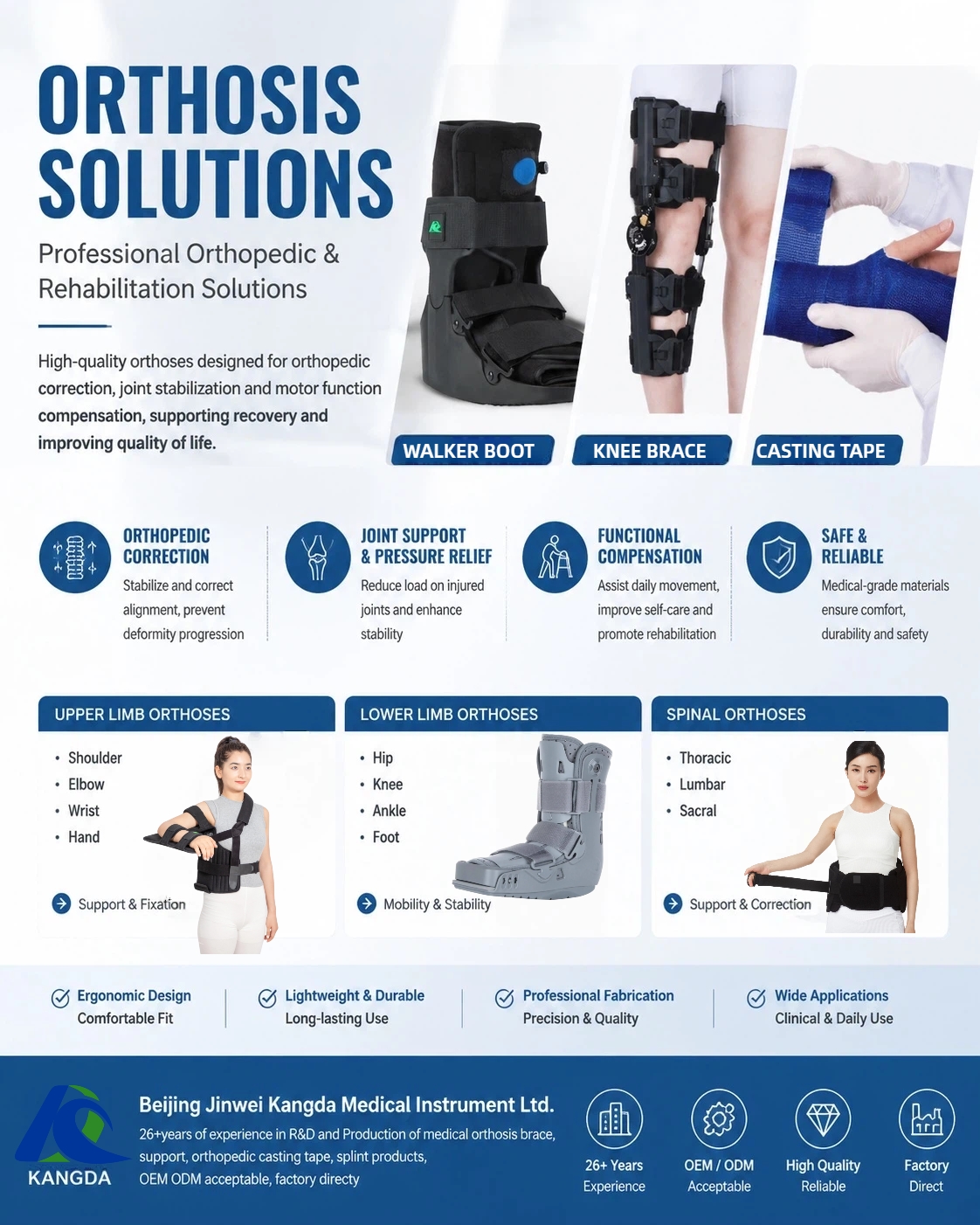
2.In daily life, it is advisable to consider using professional supportive braces. By correcting the alignment,of the lower limbs, the load on the knee joints can be reduced, thereby alleviating knee pain.
3.Increase the strength of the muscles around the knee joint and enhance its stability by engaging in appropriate exercises such as swimming and walking.
4.Control your weight and try to keep it within a reasonable range to reduce the strain on your knee joints.
