What Are the Best Back Braces for Back Pain?
Back pain can turn ordinary movements, such as getting out of a chair, lifting a grocery bag, or standing at a sink, into careful decisions. Back Braces may offer support or remind wearers to limit certain movements, but they do not address every cause of pain. Their usefulness depends on the diagnosis, brace design, fit, and wearing time. A rigid lumbar brace feels different from a flexible wrap, and neither is automatically the better choice. Fit matters. A brace that rides up, pinches the ribs, or leaves deep marks may need adjustment.
This guide examines common brace styles and situations in which clinicians may recommend them. It considers materials, adjustability, comfort, ease of putting on a brace, and practical limits during work or daily activities. Readers will also learn why sizing charts, return policies, and clear product instructions deserve attention before buying. Price alone is a weak measure of quality; even an expensive brace can fit poorly. For new, severe, or persistent pain, a healthcare professional can help identify the cause and decide whether bracing makes sense. Numbness, weakness, or trouble controlling bladder or bowel function requires urgent medical assessment. Small details matter. No brace is a cure.
Back Brace Basics: Main Types, Support Levels, and Intended Uses
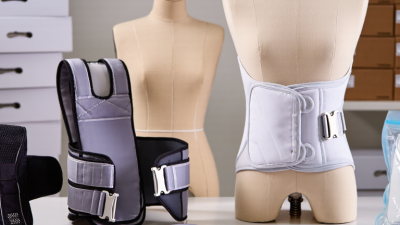
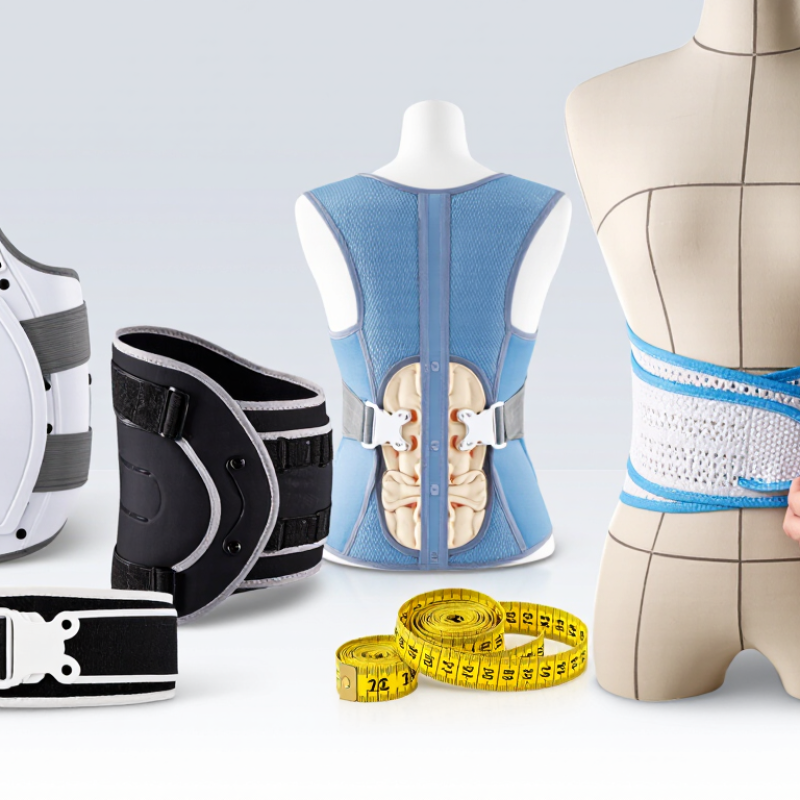
Back braces range from flexible wraps to firm, rigid supports. Soft braces use elastic or breathable fabric and allow more movement. They may offer gentle compression during everyday tasks. Semi-rigid braces add stays or panels, limiting some bending while keeping the torso mobile. Rigid braces restrict movement more strongly. Clinicians may prescribe them after certain injuries or procedures, with fit and wear time guided by individual needs.
Support level matters more than appearance. A brace that feels sturdy is not automatically the right choice. Too much restriction may make daily movement harder, while a loose fit can rub against the skin or shift when sitting. A brace may help manage symptoms, but it does not identify their cause or replace a clinical assessment. Not every sore back needs one. That distinction is easy to overlook, especially when pain disrupts simple tasks like lifting a kettle.
Tips: Match the brace to the intended activity and guidance from a qualified clinician. Check the skin after wearing it, especially near the ribs and hips. If it causes numbness, worsening pain, or breathing discomfort, remove it and seek medical advice. Fit can be awkward at first; still, discomfort should not be treated as proof that it is working.
What Are the Best Back Braces for Back Pain? — Back Brace Basics: Main Types, Support Levels, and Intended Uses
| Brace type |
Typical support level |
Design and coverage |
Common intended uses |
Important considerations |
| Flexible lumbar support |
Low to moderate |
Elastic or fabric wrap around the lower back and abdomen; may include removable stays. |
Short-term comfort or a reminder to limit certain movements during everyday activities. |
It does not immobilize the spine. Fit should be snug but should not restrict breathing, circulation, or comfortable movement. |
| Semirigid lumbar corset |
Moderate |
Fabric support with firmer stays or panels, usually covering the lower back and abdomen. |
Selected cases of lower-back pain when a clinician recommends added support or movement limitation. |
Designs vary, and it is not a universal treatment for back pain. A clinician can advise on fit and appropriate duration of use. |
| Rigid lumbar orthosis |
High, focused on the lumbar region |
Stiffer panels or a molded structure intended to limit some movement in the lower back. |
Specific conditions or recovery plans for which a healthcare professional prescribes greater trunk support. |
Often requires professional fitting and monitoring. Do not choose or adjust a rigid brace for a suspected fracture or postoperative recovery without medical guidance. |
| Thoracolumbosacral orthosis (TLSO) |
High |
A rigid or semirigid brace that supports the thoracic and lumbar spine and may extend to the pelvis. |
Clinician-directed care for certain spinal fractures, postoperative plans, or conditions requiring substantial trunk-motion control. |
Prescription and fitting are commonly needed. Follow the clinician’s instructions for wear, skin checks, and follow-up. |
| Sacroiliac (SI) belt |
Low to moderate, localized |
A narrow belt worn around the pelvis, typically positioned low across the hips. |
Some people with pelvic or SI-joint-related symptoms may be advised to try one as part of a broader care plan. |
It supports the pelvic area rather than immobilizing the lumbar spine. Benefit varies; correct placement matters. |
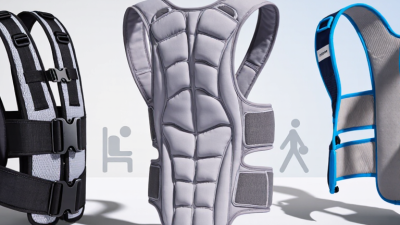
| Posture reminder brace |
Low |
Light straps that cue shoulder positioning; generally offers little structural support to the lower back. |
Occasional posture awareness during specific tasks, when appropriate. |
It is not a treatment for spinal injury and should not replace movement, strengthening, or professional care when needed. |
Choosing a brace: The appropriate option depends on the cause of the pain, the area needing support, and the intended activity. Braces may help in specific situations, but they are not suitable for everyone and should not replace an individualized care plan. Seek medical advice for severe or persistent pain, pain after an injury, new weakness or numbness, or bowel or bladder changes.
Who May Benefit? WHO Estimates 619 Million People Had Low Back Pain in 2020
WHO estimated that 619 million people experienced low back pain in 2020, making it the world’s leading cause of disability. The Global Burden of Disease study published in The Lancet Rheumatology projected that cases could reach 843 million by 2050, largely because of population growth and ageing. The burden is uneven. People who lift, sit, or stand for long periods may find pain disrupts ordinary tasks, but a brace is not right for everyone.
A back brace may offer short-term support for some people, especially when a clinician recommends it after a spinal fracture or surgery. For everyday, nonspecific low back pain, evidence that braces reliably reduce pain or improve function is limited. The World Health Organization’s 2023 guideline for chronic primary low back pain instead emphasizes tailored, nonsurgical care, including education and structured exercise. A brace should not replace assessment or movement advice.
Who might benefit? Someone whose pain makes walking, working, or sleeping difficult could ask a doctor or physiotherapist whether a brace suits their diagnosis and daily needs. Fit matters: a brace that pinches at the ribs or rides up while sitting can become another source of discomfort. Use it only as directed, and review whether it helps. I would not assume that feeling supported means the underlying problem is fixed; that distinction is easy to miss.
Choosing a Brace: Match Its Design to Your Diagnosis, Fit, and Activity
What Are the Best Back Braces for Back Pain?
Choosing a Brace: Match Its Design to Your Diagnosis, Fit, and Activity
The best back brace depends on why your back hurts and what movements trigger symptoms. A flexible support may suit some people who need gentle compression during daily tasks. A more rigid brace may be prescribed for specific spinal conditions or after an injury. These options are not interchangeable. A clinician can help match brace design to your diagnosis, especially when pain is new, severe, or persistent.
Fit matters as much as design. The brace should feel secure, not restrictive, and should not cause numbness, skin irritation, or trouble breathing. Check its position while sitting, standing, and bending; a brace that shifts when you reach for a shelf may not support you well. Consider your activity, too. A low-profile design may fit beneath clothing, while a sturdier one could feel awkward during a long walk. Honestly, comfort can take trial and adjustment.
Tips: Follow the fitting instructions and ask a health professional to check the brace if it rubs or slips. Wear it for the recommended periods, not automatically all day. Keep moving within your comfort level, and seek medical advice if pain worsens or new weakness or numbness appears.
What the Evidence Says: Review Clinical Guidelines on Bracing for Back Pain
A back brace may feel supportive during a painful day, but comfort is not proof that it speeds recovery. The World Health Organization reports that low back pain affected 619 million people worldwide in 2020. It projects 843 million cases by 2050. Bracing deserves careful, evidence-based use.
Clinical guidance does not support routine bracing for ordinary low back pain. NICE guideline NG59 advises against offering belts or corsets for low back pain, with or without sciatica. The WHO’s 2023 guideline also suggests against routine lumbar braces and supports for chronic primary low back pain. Evidence certainty is very low, so this is not a claim that a brace never helps. It means proven benefits are limited.
Context matters. A clinician may prescribe an orthosis for a specific injury or after surgery, which differs from self-selecting one for everyday pain. If a brace is recommended, ask what it should help you do, how long to wear it, and when to stop. Check for pinching at the ribs or hips, and loosen it if breathing feels restricted. Small details matter. A brace should not replace guided movement or a personalized care plan. Pain varies, and guidelines cannot settle every individual case.
What Are the Best Back Braces for Back Pain? What Clinical Guidelines Say
Two major guidelines advise against routine bracing for the conditions they address.
How to read this chart: Each bar marks a guideline with an explicit recommendation against routine bracing. Equal bar lengths are categorical markers, not a measure of benefit, harm, or evidence strength.
- NICE (NG59): Do not offer belts or corsets for managing low back pain with or without sciatica.
- WHO (2023): Lumbar braces, belts, or supports are not suggested as part of routine care for chronic primary low back pain.
These recommendations do not determine whether a brace may be appropriate for a specific person or for another medical condition. Ask a qualified clinician for advice tailored to your situation.
Safe Wear and Follow-Up: Check Comfort, Skin, and Function with a Clinician
A brace should feel supportive, not restrictive. The World Health Organization reported that low back pain affected 619 million people worldwide in 2020. Yet a brace is not automatically the right answer. A Cochrane review of seven prevention trials, involving 14,437 workers, found no clear preventive advantage from lumbar supports. These findings support careful, individualized use rather than wearing one by default.
Ask a clinician to check the brace while you sit, stand, and walk. It should not pinch your ribs, block normal breathing, or force your back into an uncomfortable position. Check the skin after wearing it, especially near the edges and over bony areas. Redness that persists, soreness, or broken skin deserves prompt attention.
Fit is not a cure. Follow the prescribed wear schedule, and do not tighten straps to chase extra support. At follow-up, describe what tasks feel easier or harder, such as getting out of a chair or carrying groceries. The clinician can reassess fit and function, then adjust the plan.
New weakness, spreading numbness, or worsening pain should be reported promptly. I might focus too much on the brace itself; the real test is whether it helps daily movement safely.