China Best Back Braces Suppliers for Global Buyers
Choosing reliable China Back Braces suppliers requires more than comparing prices on a product page. Global buyers must examine materials, stitching, adjustability, packaging, and communication quality. A brace may look strong in a photograph but feel uncomfortable after several hours of wear. That difference matters.
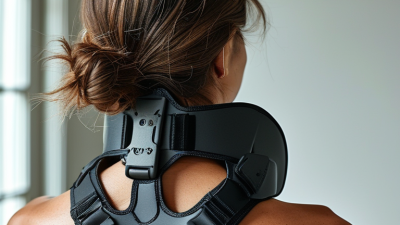
China’s manufacturing sector offers extensive options, from elastic lumbar supports to reinforced posture braces and adjustable orthopedic designs. Experienced suppliers should provide clear specifications, size charts, product samples, inspection records, and consistent batch quality. Ask about fabric composition, fastening strength, breathability, and recommended use. Small details often reveal production discipline. A loose hook, uneven seam, or unclear label should not be ignored.
Supplier experience matters. So does evidence.
This guide introduces dependable Back Braces suppliers serving international buyers and explains how to assess them with practical criteria. It considers factory capabilities, customization services, export experience, quality-control procedures, and responsiveness during sampling. Certifications may support credibility, but buyers should verify their scope, validity, and issuing organization. One document alone proves little.
Product performance can also vary between samples and mass production. That risk deserves attention. Buyers should request pre-shipment inspections, confirm packaging requirements, and record approved specifications before placing larger orders. Trade terms, lead times, and after-sales communication should remain transparent.
No supplier is perfect. Even a promising factory may need closer monitoring. Careful comparison creates better purchasing decisions, protects brand reputation, and supports safer customer experiences across different markets.
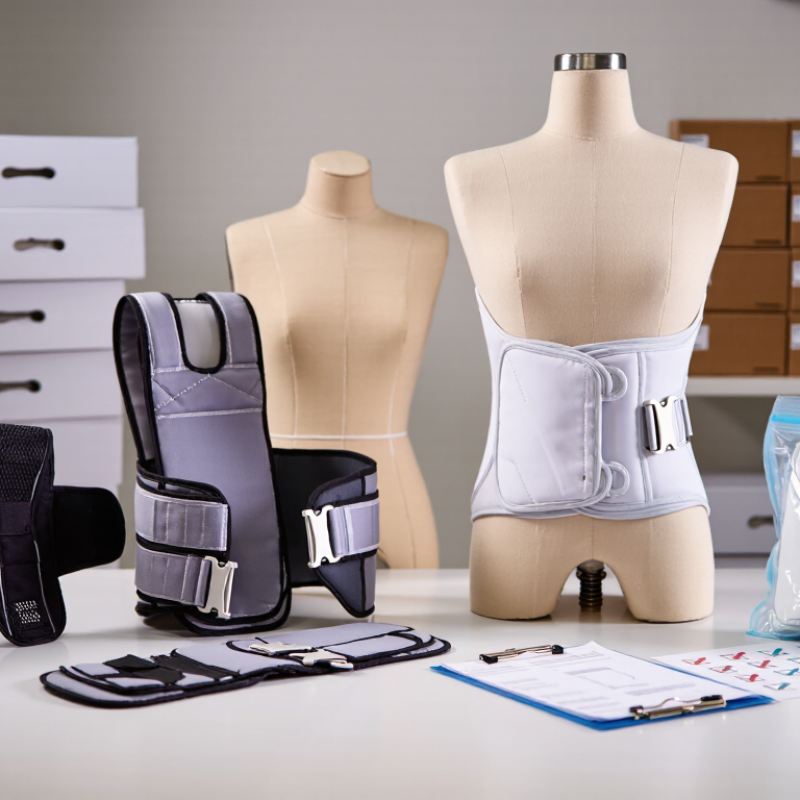
China’s Back Brace Manufacturing Landscape for Global Buyers
China’s back brace manufacturing landscape serves hospitals, rehabilitation centers, retailers, and online distributors worldwide. Many factories combine textile cutting, foam lamination, elastic weaving, and support-frame assembly in one supply chain. This integration can shorten development time, but quality still differs between suppliers.
Experienced buyers usually begin with a written specification. It should define fabric composition, support stiffness, closure strength, size tolerance, labeling, and packaging. Samples reveal weaknesses. Check stitching under tension, edge binding after repeated bending, and whether metal stays remain correctly positioned. A factory may provide attractive samples but inconsistent bulk production. That gap deserves attention.
Factory audits should review worker training, incoming-material records, inspection points, and corrective-action procedures. Buyers should request test reports that match the actual product, not a similar model. Destination-market requirements also matter, especially when a brace is marketed for medical or rehabilitation use. Confirm documentation, permitted claims, traceability, and sizing information before shipment. A low quote can be misleading. It may exclude testing, tooling, packaging, or later inspection costs. Communication is another practical measure: suppliers who explain limitations clearly are often safer partners than those promising everything. My view is not perfect; factory visits and third-party checks cannot remove every risk. They can, however, expose problems before thousands of braces reach customers.
China Best Back Braces Suppliers for Global Buyers - China’s Back Brace Manufacturing Landscape for Global Buyers
| Product Segment |
Typical Construction |
Common Materials |
Primary Use |
Typical Size Range |
Indicative MOQ |
Sample Lead Time |
Bulk Lead Time |
Common Buyer Documentation |
| Flexible Lumbar Support Belt |
Elastic wrap with adjustable hook-and-loop closure |
Nylon, polyester, elastane, breathable mesh |
General lumbar support and everyday activities |
Waist circumference: approximately 60–130 cm |
500–1,000 pieces |
7–15 days |
25–45 days |
Material specification, size chart, inspection report |
| Rigid-Panel Lumbar Brace |
Wide belt with removable or fixed support panels |
Polyester fabric, EVA foam, PP or spring-steel stays |
Higher-support applications and occupational use |
Waist circumference: approximately 65–145 cm |
300–800 pieces |
10–20 days |
30–50 days |
Component list, load or durability test, packaging specification |
| Sacroiliac Support Belt |
Low-profile pelvic belt with targeted compression zones |
Elastic webbing, nylon, polyester, silicone grip strips |
Pelvic stabilization and activity support |
Hip circumference: approximately 75–135 cm |
500–1,000 pieces |
7–15 days |
25–45 days |
Fabric composition, colorfastness report, size grading |
| Posture and Back Support Harness |
Shoulder straps connected to a lumbar support panel |
Mesh, elastic straps, foam padding, lightweight stays |
Posture awareness and upper-back support |
Chest circumference: approximately 70–125 cm |
500–1,000 pieces |
10–18 days |
30–50 days |
Fit sample, strap-strength test, care-label artwork |
| Maternity Back Support Belt |
Adjustable abdominal panel with lower-back reinforcement |
Soft elastic, cotton-blend lining, breathable mesh |
Abdominal and lumbar support during pregnancy |
Abdominal circumference: approximately 75–135 cm |
500–1,000 pieces |
10–18 days |
30–50 days |
Material safety statement, wash-care instructions, fit approval |
| Postoperative Abdominal Binder |
Wide compression panel with multi-section adjustment |
Elastic fabric, hook-and-loop fastener, soft lining |
Abdominal compression and controlled support |
Waist circumference: approximately 65–150 cm |
300–800 pieces |
10–20 days |
30–50 days |
Compression specification, biocompatibility information where applicable, labeling file |
| Thoracolumbosacral Orthosis |
Structured torso support with molded panels and adjustable straps |
Thermoplastic panels, aluminum stays, foam, textile cover |
Clinically specified thoracic and lumbar immobilization |
Torso height and circumference based on individual fitting |
100–300 pieces |
15–30 days |
45–75 days |
Risk-management file, technical documentation, performance testing |
Buyer reference: MOQ, lead time, material selection, testing, and regulatory documentation vary by design complexity, order quantity, customization level, and destination-market requirements. The figures above are typical indicative ranges for sourcing discussions and should be confirmed in the final quotation and product specification.
How to Evaluate China-Based Back Brace Suppliers
Evaluating China-based back brace suppliers requires more than comparing quoted prices. During product reviews, I examine material quality, stitching, support strength, and user comfort. Ask for product specifications, size charts, material composition, and test reports before discussing large orders. Request samples from the same production line planned for mass manufacturing. Check whether the brace keeps its shape after repeated bending and washing. Photos help, but they cannot replace physical inspection. Keep records.
A reliable supplier should explain its quality-control process clearly. Look for documented inspections of fabric, fasteners, packaging, and finished products. Confirm whether the factory follows recognized quality-management practices and can provide traceability records. An on-site or video audit can reveal crowded work areas, weak storage methods, or inconsistent labeling. Still, an audit is only a snapshot. Factories change. Ask who will handle defects, replacements, and corrective actions.
Compare production capacity with your expected order volume, not with impressive claims. Confirm minimum order quantities, sample fees, lead times, packaging details, and export documents in writing. Test several sizes with different users, because one sample may hide fitting problems. I once found a comfortable brace that became restrictive after extended wear; that detail changed the evaluation. Do not ignore communication speed or technical accuracy. A supplier that answers vaguely may create costly misunderstandings later. Some buyers focus too heavily on price. That is understandable, but it can weaken long-term reliability. Use a clear inspection plan before shipment.
Quality Control, Certifications, and Export Compliance
China’s back brace suppliers need more than attractive samples. Buyers should verify production controls before placing volume orders. The ISO Survey 2022 recorded over 1.2 million ISO 9001 certificates worldwide. Certification signals a quality system, but it does not guarantee every shipment. Ask for the certificate scope, issuing body, expiry date, and factory address. Confirm that the scope covers orthopedic supports or relevant textile products.
Quality checks should follow the product’s intended use. Inspect fabric strength, stitching, buckle performance, latex content, and skin-contact materials. A documented incoming-material inspection can prevent uneven elastic tension. Final inspection should sample finished units by size and color. Keep batch records, inspection photos, and corrective-action reports. Small gaps spread quickly.
Export compliance requires accurate paperwork. Product names, HS codes, carton markings, invoices, and test reports must match. If a brace is marketed for medical treatment, buyers should review ISO 13485 controls and destination-market device rules. CE marking may require conformity assessment under applicable European requirements. U.S. entry may involve establishment registration, listing, labeling, and evidence supporting intended claims. Registration is not approval.
Independent laboratory testing can support claims for material safety, restricted substances, and performance. Reports should identify the tested sample and production batch. A common weakness is testing one prototype while shipping a changed design. That practice deserves correction. Reliable suppliers welcome factory audits, traceability checks, and pre-shipment inspections. Quality is not a certificate on a wall. It is repeatable evidence.
Supplier Comparison, Pricing, and International Order Planning
For global buyers, selecting a back brace supplier requires more than comparing catalog photos. Factory experience, material traceability, sizing consistency, and export communication often determine the real order cost. During supplier reviews, request samples in several sizes, not one convenient sample. Check stitching, elastic recovery, hook-and-loop strength, edge comfort, and packaging labels. Small defects become expensive at scale. Ask for test reports when applicable, but verify whether each report matches the exact product. This is where many buyers remain too trusting.
Pricing usually depends on design, fabric, support structure, customization, quantity, and shipping terms. A low unit quote may exclude tooling, sample fees, inspection, cartons, or destination charges. Compare offers using the same specification sheet. Include size range, materials, logo method, packing, delivery terms, lead time, and payment schedule. For planning, request price tiers for 100, 500, and 1,000 units. Prices can change with exchange rates and material markets. Leave room for revision.
International orders need realistic production and customs planning. Confirm carton dimensions, gross weight, product classification with a broker, and required destination documents before payment. Use pre-shipment inspection for larger orders, especially when sizing is critical. Agree on defect handling in writing, including evidence, timelines, and replacement terms. A supplier may sound responsive before the deposit, then communicate slowly. Plan around that risk. I would test one small commercial order before committing to annual volume. It costs more initially, yet reveals packing errors, actual lead times, and response quality. No comparison is perfect; field feedback may challenge early assumptions.
China Back Brace Supplier Planning: Indicative FOB Pricing by Order Volume
Indicative China OEM export ranges for standard back-support products. Larger orders generally reduce the FOB unit price, while custom materials, packaging, testing, and certification may increase the final quotation.
Planning reference: FOB price estimates in USD per unit. Confirm MOQ, production lead time, packaging requirements, inspection costs, freight, duties, and destination-specific compliance requirements before placing an international order.