Best Ankle Splint Options for Effective Recovery Tips?
When it comes to recovery from ankle injuries, the choice of an appropriate ankle splint is crucial. Dr. Emily Martinez, a leading expert in rehabilitation, asserts, “The right ankle splint can significantly enhance healing and support.” This statement underscores the importance of selecting a suitable splint that offers both comfort and stability.
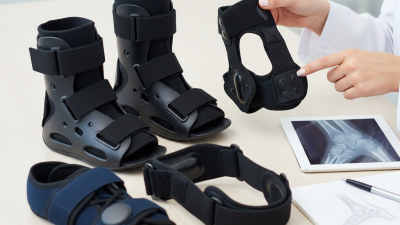
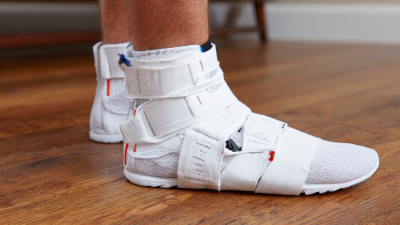
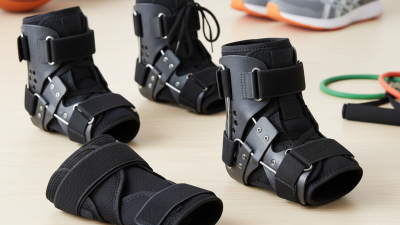
Ankle splints come in various designs, each serving specific needs. Some are rigid, providing strong support for severe injuries, while others are softer, allowing for more mobility. Choosing the right option can feel overwhelming, especially with so many choices available. Often, patients grapple with questions about fit and effectiveness. A common mistake is opting for a splint based on looks rather than functionality.
Moreover, recovery requires more than just wearing an ankle splint. Rehabilitation exercises and rest play pivotal roles too. One must continually evaluate their progress and adjust their support method. An ankle splint is essential, but it is just one piece of the recovery puzzle. The journey to healing involves reflection and adaptation, ensuring that the chosen splint aligns well with your recovery goals.

Best Ankle Splint Options for Effective Recovery Tips
When dealing with an ankle injury, choosing the right splint is crucial for recovery. Ankle splints provide support and immobilization. They help reduce pain and prevent further damage. It's essential to select a splint that fits well and meets your recovery needs.
Consider the material of the splint. Rigid splints offer more stability, ideal for severe injuries. Soft splints allow for some movement, which can aid in rehabilitation. Consult a healthcare professional to determine which option is best for you. They can guide you based on the injury's extent.
Tips to enhance recovery include elevating the leg and applying ice. Rest is vital; avoid putting weight on the injured ankle at first. Gradually introduce gentle exercises to regain strength. Listen to your body to avoid overexertion, as pushing too hard can lead to setbacks. Regular follow-ups with a specialist ensure that your recovery is on track.
Best Ankle Splint Options for Effective Recovery Tips
| Splint Type |
Material |
Level of Support |
Recommended Duration of Use |
Comfort Rating |
| Rigid Ankle Brace |
Plastic/kevlar |
High |
4-6 weeks |
4/5 |
| Compression Sleeve |
Elastic Fabric |
Medium |
As needed |
5/5 |
| Soft Ankle Brace |
Neoprene |
Low to Medium |
2-4 weeks |
4/5 |
| Ankle Stirrup Brace |
Plastic/Polyester |
High |
4-8 weeks |
3/5 |
| Air Ankle Brace |
Inflatable/Neoprene |
Medium |
2-4 weeks |
5/5 |
Understanding Different Types of Ankle Splints and Their Uses
Ankle splints are essential tools for recovery from injuries. They help stabilize the joint, reduce swelling, and promote healing. Various types of splints cater to different injuries and recovery stages. Rigid splints offer maximum support for severe sprains. They restrict movement and allow soft tissues to heal effectively.
Soft splints, meanwhile, provide support while allowing some flexibility. They are useful for mild sprains or post-surgery recovery. According to a study by the Journal of Orthopaedic Research, using the appropriate splint can improve recovery times significantly. Patients using proper splinting techniques showed up to a 30% faster recovery rate compared to those without.
The choice of splint should consider the specific injury and individual needs. Consultation with healthcare professionals ensures the right fit and function. A poorly chosen splint may lead to discomfort or extended healing. Misalignment of the splint can exacerbate injuries instead of aiding recovery. Understanding your options is crucial for effective treatment.
Key Features to Look for in an Effective Ankle Splint
When selecting an ankle splint, focus on key features that enhance recovery. A lightweight design is essential for comfort. You want a splint that provides adequate support without being too bulky. Look for adjustable straps that allow for a customizable fit. This feature is crucial as it enables you to control the level of compression and stability needed for your injury.
Breathability is another important aspect. Fabrics that allow air circulation help prevent moisture buildup and skin irritation. If you cannot find a breathable material, consider layers or inserts that can be swapped out. Think about ease of use as well. Some splints are harder to put on or remove, leading to frustration during recovery.
Lastly, keep in mind that everyone’s recovery is unique. What works for one person may not be suitable for another. It’s important to reflect on your own comfort and mobility needs. Sometimes a seemingly perfect splint can feel cumbersome after prolonged use. Listen to your body and adjust as necessary.
How to Properly Apply and Adjust Your Ankle Splint
Applying and adjusting your ankle splint correctly is essential for recovery. Start by ensuring the unit fits snugly but not too tight. You should be able to slide a finger underneath. It’s important to check that the splint provides adequate support for your ankle’s position. If it shifts or feels uncomfortable, it may need adjustment.
When putting on the splint, make sure to position your foot at a right angle. This helps maintain stability. Fasten the straps securely, but monitor for signs of too much pressure. Swelling can alter fit over time, so reassess frequently. Always seek professional advice if pain increases. Adjustments are part of the healing process; don’t hesitate to reflect on what feels right.
Regularly inspect the splint for wear and tear. A faulty splint may hinder your recovery. Remember, proper application is not only about fit but also about consistent wear. Balancing comfort with support is key. If something feels off, revisit your fit and adjust accordingly. Each person's anatomy and recovery timeline is unique, so listen to your body.
Best Ankle Splint Options for Effective Recovery Tips
Additional Recovery Techniques to Complement Ankle Splinting
When recovering from an ankle injury, splinting is just one part of the process. Additional recovery techniques can significantly enhance healing. Gentle range-of-motion exercises can help. Start slowly to avoid pain. As muscles regain strength, you can gradually increase the intensity. This step is crucial for long-term recovery.
Cold therapy is another effective technique. Apply ice packs for 15-20 minutes several times a day. This helps reduce swelling and eases pain. Remember to wrap ice packs in a cloth to protect your skin. Proper timing is essential; early application can make a difference.
Don’t forget about the importance of rest. Allow your ankle time to recover. Sleeping adequately promotes healing as well. If you feel pain during any activity, pause and reassess. Listening to your body can prevent further injury. Stay patient and remember that recovery is a journey, not a sprint.
Conclusion
Ankle splints are essential for effective recovery from ankle injuries, providing the necessary support and stabilization during the healing process. Understanding the different types of ankle splints and their specific uses is crucial for selecting the right option. When choosing an ankle splint, key features such as material, adjustability, and comfort should be considered to ensure optimal support.
Proper application and adjustment of the ankle splint are vital for maximizing its benefits, while additional recovery techniques—such as rest, ice therapy, and rehabilitation exercises—can further enhance healing. It's important to recognize when to seek professional help during the recovery process, particularly if pain persists or symptoms worsen. By following these guidelines, individuals can improve their recovery outcomes and return to normal activities more effectively.