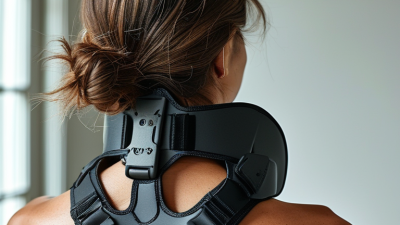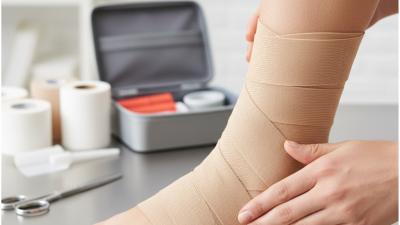
Choosing the best Back Braces in 2026 requires more than comparing prices, colors, or online ratings. A brace rests against living tissue. Its pressure, materials, fit, and purpose can influence movement throughout the day. The right choice may support recovery, reduce strain, or improve confidence during specific activities. The wrong choice may restrict breathing, irritate skin, or encourage excessive dependence.
Dr. Stuart McGill, a leading spine biomechanics researcher, has stated, “The spine is not a hinge.” This principle matters when evaluating Back Braces. The human back moves, adapts, and responds to changing loads. A rigid product may help during carefully selected situations, but it cannot replace professional assessment, sensible exercise, or gradual conditioning. A brace should support the body, not silence every movement.
This guide examines practical details that buyers often overlook. These include adjustable compression, breathable fabric, seam placement, sizing accuracy, and stability during sitting or lifting. A useful brace should remain secure when you walk, bend, or climb stairs. It should not dig into the ribs after several hours. Check the return policy, because even a highly rated model may fit poorly on your body. That part is easy to underestimate.
Personal experience also matters. Someone recovering from an injury may need different support than an office worker with occasional discomfort. Persistent pain, numbness, weakness, or pain after trauma requires medical guidance. Product descriptions cannot diagnose the cause. No brace is perfect. The better decision comes from matching support level, wearing time, comfort, and professional advice to your actual needs.
Low back pain is not a minor market problem. The World Health Organization reported 619 million cases worldwide in 2020. By 2050, that number may reach 843 million. These figures come from WHO’s Low Back Pain fact sheet, published in 2023. The Global Burden of Disease Study also identifies low back pain as a leading cause of disability worldwide. The need is substantial. The solution is not automatically a brace.
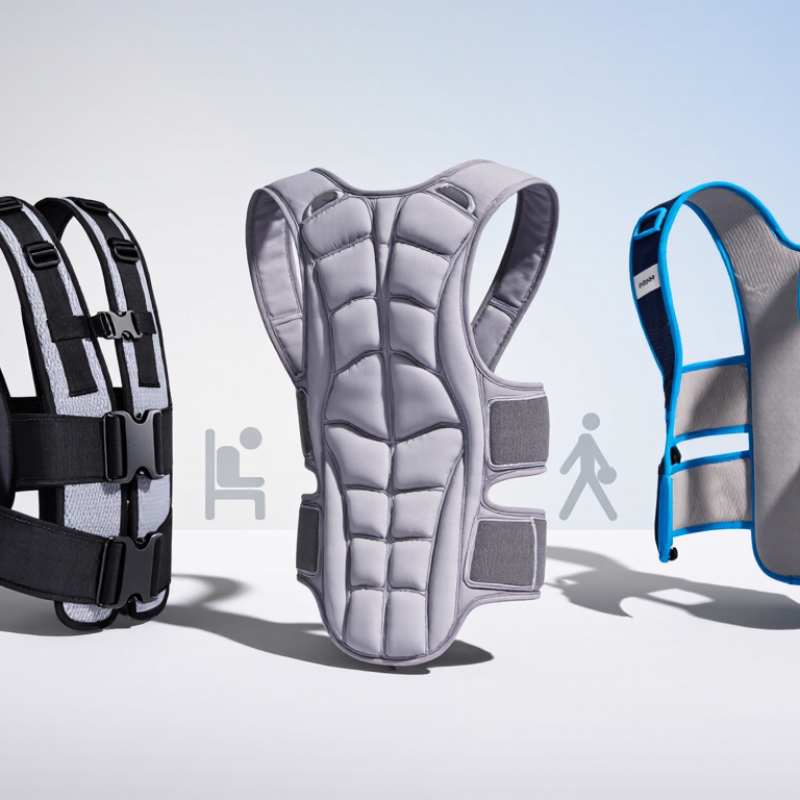
Choosing a back brace should begin with the pain pattern. A warehouse worker may need short-term support during lifting. An office worker may need movement breaks and better workstation setup. Check the brace while sitting, walking, and bending gently. It should feel firm, not restrictive. Skin pressure, numbness, or shallow breathing signals a poor fit. Measure the waist carefully, because sizing charts are not always consistent.
Evidence remains mixed. Clinical guidance generally supports exercise, education, and continued activity for most nonspecific low back pain. A brace may provide temporary comfort, but it should not replace rehabilitation. I would avoid wearing one all day without professional advice. That habit can create false confidence. Severe weakness, loss of bladder control, fever, or pain after major injury requires urgent medical evaluation. WHO, Low Back Pain Fact Sheet, 2023; Global Burden of Disease Study 2021.
The global burden of low back pain highlights why brace selection should begin with the user’s specific need, such as temporary support during movement or added stability during recovery. A back brace should complement professional medical advice rather than replace diagnosis or treatment.
Data source: World Health Organization, “Low back pain” fact sheet. The 2020 figure is an estimate, while the 2050 figure is a projection.
How to Choose the Best Back Braces in 2026?
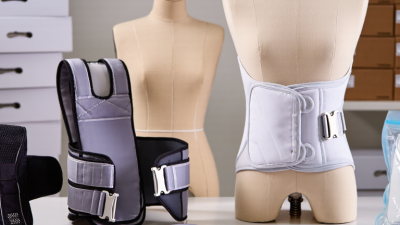
Back braces should be classified by support level, wear time, and intended use. Low-support braces use flexible fabric and light compression. They suit short activities, mild fatigue, or posture reminders. Moderate-support designs add stays or targeted panels. They may help during lifting or longer standing. High-support braces restrict movement with rigid components. These usually require professional fitting and clearer clinical direction. The categories are useful, but not perfectly clean.
Wear time matters as much as strength. A soft brace might be worn for two to four hours during activity. A rigid orthosis may be prescribed for longer periods, but overnight use should not be assumed. The FDA’s product classification system focuses on intended use, design, and risk. Therefore, “FDA registered” does not automatically mean clinically appropriate. Check the label for support purpose, body area, contraindications, and cleaning instructions. The WHO reports that low back pain affected about 619 million people globally in 2020, showing why careful selection matters.
Tips: Measure over a thin shirt, not bare skin. Check breathing, numbness, redness, and leg symptoms after fitting. Replace a brace when its stays bend or compression weakens. A 2024 industry market analysis from Grand View Research identifies growing home-care demand and musculoskeletal conditions as major market drivers. Yet market growth is not proof of effectiveness. A brace can reduce movement, but it may also hide worsening symptoms. Reassess the fit after sitting, walking, and bending.
| Brace Type | Typical Support Level | Main Spinal Region | Key Design Features | Typical Wear Pattern | General FDA Intended Use | Common Selection Considerations |
|---|---|---|---|---|---|---|
|
Flexible Lumbar Support Belt
|
Low to Moderate | Lower back and lumbar region | Elastic or textile construction, adjustable compression, and flexible stays or panels. | Usually worn during selected activities or periods of discomfort; it is generally not intended for continuous, unrestricted wear. | External support or compression of the lumbar region. The exact intended use depends on the product labeling and cleared indications. | Suitable when flexibility, easy adjustment, and light support are priorities. Check fit carefully to avoid excessive abdominal pressure or restricted breathing. |
|
Sacroiliac (SI) Belt
|
Low to Moderate | Pelvis and sacroiliac region | Narrow belt positioned around the pelvis, often with a non-slip inner surface and adjustable tension. | Commonly worn during standing, walking, lifting, or other activities that reproduce pelvic or SI-region symptoms. | External compression and support of the pelvis or sacroiliac region when stated in the device labeling. | The belt should normally sit around the pelvis rather than high on the waist. Incorrect placement can reduce effectiveness and cause discomfort. |
|
Posture-Correction Brace
|
Low | Upper back and shoulders | Shoulder straps, textile panels, or lightweight elastic components that provide positional cues rather than rigid immobilization. | Typically introduced for short periods and gradually increased according to comfort and professional advice. | Depending on labeling, may provide external support or positioning assistance for the thoracic or shoulder region; marketing claims should be checked carefully. | Best viewed as a posture reminder, not a treatment for structural spinal deformity. It should not cause numbness, skin irritation, or restricted shoulder movement. |
|
Semi-Rigid Lumbar Brace
|
Moderate | Lower back and lumbosacral region | Breathable fabric combined with removable or integrated stays, panels, or a reinforced closure system. | Often used for task-specific support, such as work, travel, walking, or recovery activities; rest breaks are commonly needed. | External support, stabilization, or limitation of lumbar movement when those functions are included in the device's labeling. | Offers more control than a soft belt while allowing more movement than a rigid orthosis. Proper sizing and panel placement are important. |
|
Rigid Lumbar-Sacral Orthosis (LSO)
|
High | Lumbar spine, sacrum, and sometimes part of the thoracic spine | Molded plastic or rigid frames, substantial panels, and closures designed to limit specific spinal movements. | Usually worn for prescribed periods during mobility or rehabilitation. The schedule should follow the treating clinician's instructions. | External stabilization, immobilization, or restriction of spinal motion for a labeled condition or postoperative indication. | Selection often requires clinical assessment. Monitor skin, circulation, comfort, and sitting tolerance, especially during prolonged use. |
|
Thoracolumbosacral Orthosis (TLSO)
|
Very High | Thoracic, lumbar, and sacral spine | Rigid shell or frame extending from the upper or mid-back to the pelvis, designed to control multiple spinal segments. | Worn according to a clinician-prescribed schedule; some prescriptions require use during most upright activity. | External stabilization or immobilization of the thoracic and lumbar spine for a specific labeled medical indication. | Usually requires professional fitting and follow-up. It can affect sitting, bending, transfers, breathing comfort, and skin integrity. |
|
Hyperextension Orthosis
|
High | Thoracolumbar spine | Three-point pressure design with anterior and posterior contact areas intended to limit forward flexion. | Normally worn during upright activities for a prescribed duration; the wear schedule depends on the diagnosis and clinical plan. | External support and limitation of spinal flexion when specifically indicated by the device labeling and prescribed by a qualified professional. | Not appropriate for every back condition. Proper alignment is essential, and pressure points should be checked regularly. |
|
Postoperative or Fracture-Stabilization Orthosis
|
High to Very High | Region determined by the surgical site or injury | Rigid or semi-rigid structure with adjustable panels, controlled motion, and features for secure positioning. | Worn exactly as prescribed, often during transfers, standing, and walking; removal may be restricted during early recovery. | External stabilization, immobilization, or support following surgery, trauma, or another labeled medical condition. | Must be selected and adjusted by a qualified healthcare professional. Pain, new weakness, numbness, wound changes, or breathing difficulty require prompt medical attention. |
Important: Support levels and wear patterns in this table are practical categories, not official FDA classifications. The U.S. Food and Drug Administration does not set one universal wear-time schedule for all back braces. A device's legally relevant intended use, labeling, regulatory status, and precautions vary by product; follow the current instructions for use and advice from a qualified healthcare professional.
How to Choose the Best Back Braces in 2026?
Choosing a back brace should begin with evidence, not appearance. ISO 13485 controls can show whether a manufacturer follows a documented medical-device quality system. Check the certificate’s scope, issuing body, validity, and manufacturing location. A certificate alone is not proof of perfect comfort or clinical effectiveness. That distinction matters.
Examine the materials closely. Look for breathable fabric, smooth seams, durable fasteners, and firm support panels that do not press sharply against the skin. Ask whether materials are identified, tested, and traceable through controlled records. Clear labeling should explain intended use, cleaning, storage, and warnings. Vague material descriptions deserve caution.
Sizing also requires practical attention. Measure the waist where the instructions specify, then compare the result with the exact size chart. Do not assume your usual clothing size will work. The brace should feel secure without restricting normal breathing or causing numbness. Try it over a thin shirt and check its position after walking, sitting, and bending.
A common mistake is trusting a polished product page too quickly. I have learned that small details often reveal more than attractive photographs. Missing batch information, unclear instructions, or inconsistent measurements should prompt further questions. Quality controls reduce avoidable variation, but users still need to assess fit carefully. Personal comfort can be subjective, and professional advice may be appropriate when pain persists or symptoms change.
Marketing often promises strong lumbar support, perfect posture, and injury prevention. Cochrane evidence is less dramatic. Reviews have found limited or very uncertain evidence that lumbar supports prevent back pain or improve recovery. Some people may report short-term comfort, but research does not prove that a brace fixes the underlying cause. That distinction matters. A brace should support movement, not replace assessment, exercise, or gradual activity.
Tips: Check the fit while standing, sitting, and bending. Look for adjustable panels, breathable fabric, and firm but comfortable pressure. Avoid products that restrict normal breathing or create numbness. A brace that feels impressive for ten minutes may become uncomfortable after a full workday. Ask a physiotherapist or clinician for advice if pain travels down the leg, weakness appears, or symptoms follow an accident.
I would treat claims such as “clinically proven” carefully unless the seller explains the study. Was it independent? How many people participated? Did researchers measure pain, function, or only posture? Cochrane reviews use rigorous methods, yet their findings can still be limited by small studies and inconsistent designs. So, choosing the “best” brace is not only about maximum support. It is about a reasonable fit, a clear purpose, and realistic expectations. The evidence is not perfect. Your own response deserves attention, too.
As low back pain cases rise, brace selection needs stronger evidence, not louder marketing. The Lancet Rheumatology projected 843 million cases worldwide by 2050, compared with about 619 million in 2020. WHO also identifies low back pain as the leading cause of disability globally. These figures make support devices relevant, but they do not prove that every person needs one.
Evaluate each 2026 option by its purpose, fit, and safety limits. A brace should provide comfortable support during a specific activity, such as lifting or extended standing. It should not restrict breathing, cause numbness, or create sharp pressure around the ribs and hips. WHO’s 2023 guideline for chronic primary low back pain does not support routine brace use as a universal intervention. Exercise, education, and appropriate clinical assessment remain important. Fit matters more. A rigid design may feel reassuring, yet excessive restriction can encourage dependence. That concern deserves more research.
Tips: Measure your waist while standing, then check the adjustment range. Wear the brace over a thin layer and inspect your skin after thirty minutes. Stop if pain, tingling, weakness, or breathing difficulty appears. Ask a qualified clinician whether the device matches your condition and activity. The Lancet projection is a warning, not a purchasing shortcut. Even careful recommendations can miss differences in body shape, work demands, and pain causes. That is the imperfect part. Sources: World Health Organization, 2023; The Lancet Rheumatology, 2023.