2026 How to Use Medical Tape Effectively for Injury Treatment and Support?
In recent years, the use of Medical Tape has gained significant attention in injury treatment and support. According to the Global Medical Tape Market Report 2023, the demand for Medical Tape is projected to grow at a CAGR of 5.8% from 2021 to 2026. This highlights its importance in both clinical settings and home care. Dr. Emily Carter, a renowned expert in sports medicine, states, “Effective use of Medical Tape can greatly enhance recovery and provide necessary support.”
Medical Tape plays an essential role in various medical applications. It provides stability for injuries and promotes faster healing. However, it's not without its challenges. Finding the right type of tape for each situation can be complicated. Not all tapes are suitable for every type of injury. Each application requires careful consideration of skin sensitivity and the type of support needed.
Despite its advantages, misuse of Medical Tape can lead to complications like skin irritation. Therefore, understanding how to apply it properly is crucial. With comprehensive knowledge and practical experience, individuals can harness the full potential of Medical Tape for effective injury management.
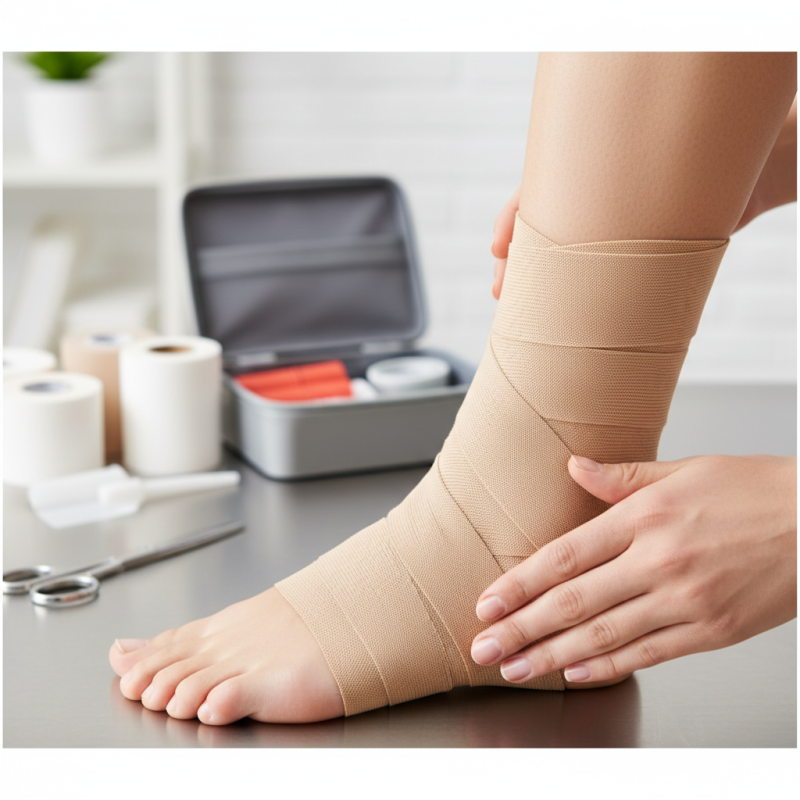
Understanding the Different Types of Medical Tape for Injury Treatment
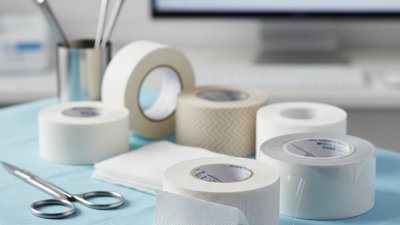
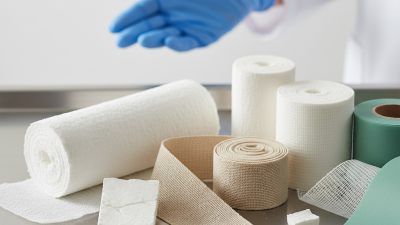
When it comes to injury treatment, understanding the different types of medical tape is crucial. There are several varieties available, each designed for specific purposes. For example, adhesive tape is ideal for securing dressings. It provides a strong hold while allowing the skin to breathe. This type is best for minor wounds and cuts.
Another type is kinesiology tape, often used by athletes. It helps support muscles and joints without restricting movement. This tape can relieve pain and swelling. Its stretchy nature mimics the skin, promoting better circulation. However, applying it correctly requires practice and knowledge to ensure effectiveness.
There is also waterproof tape, perfect for injuries exposed to water. This tape ensures that dressings stay dry while protecting the wound. It is essential for maintaining cleanliness. Each type of tape serves a purpose, but it’s vital to choose based on the injury. Misuse can lead to complications, such as skin irritation. Always test on a small area first to check for allergies.
Key Principles for Applying Medical Tape Effectively on Injuries
Medical tape is a
versatile tool for injury treatment and support. Understanding how to apply it effectively can make
a significant difference in recovery. This guide shares key principles to ensure the best results
when using medical tape.
When applying medical tape, cleanliness is crucial.
Clean the skin surface before taping to avoid irritation. Make sure the area is dry. Proper tension
is also important. Don't pull the tape too tight; it should support without constricting blood flow.
For better adhesion, consider using a skin prep solution.
Tips: Cut the tape to an appropriate length.
Use rounded edges to prevent peeling. If the tape lifts, it may indicate improper application.
Test small areas first, especially on sensitive skin. Monitor for signs of allergic reactions too.
Pay attention to the positioning of the tape. Proper placement can enhance stability and reduce pain.
Apply the tape in a natural position of the limb. If you find yourself consistently reapplying tape,
reassess your technique. Mistakes provide learning opportunities. Adjust your approach based on what works for you.
Step-by-Step Guide to Taping Common Injuries for Support
Taping can provide significant support for common injuries. Proper techniques can improve recovery and reduce pain. According to a study from the Journal of Sports Medicine, up to 70% of athletes reported reduced discomfort with effective taping methods.
Begin by cleaning the area. Use mild soap and water to ensure it is dry and free of oils. Position the injured limb in a natural, comfortable position before applying tape. The tape should be applied without tension at first to avoid excessive pressure. Use strips of tape, typically about two inches wide, and adhere them parallel to the skin. For an ankle sprain, taping in a “figure-eight” pattern helps to limit movement and provide stability.
Monitor the taped area for any signs of discomfort or circulation issues. If the athlete feels numbness or excessive tightness, it is essential to remove the tape. A 2022 survey highlighted that nearly 25% of participants removed their tape due to improper application. This points to the need for proper education and practice. Effective taping requires a balance of support and comfort. Explore resources and tutorials to refine your technique.
Best Practices for Maintaining and Removing Medical Tape Safely
When using medical tape, safety is paramount. Proper maintenance of the tape and the site is crucial. Clean the skin before applying tape. This minimizes infection risk and enhances adhesion. Use mild soap and ensure the area is completely dry. Moisture can lead to skin irritation or tape failure.
Removing medical tape can be tricky. Slow and gentle removal is key. Pulling quickly can cause pain and skin damage. Consider using a saline solution to help loosen the adhesive. This can make the process smoother. Always check for signs of irritation or allergic reactions after tape removal. These can indicate an issue that needs attention.
Be mindful of the tape's expiration date. Expired tape may not adhere well or provide the necessary support. Store it in a cool, dry place. Avoid direct sunlight, as this can degrade its quality. Reflect on your application techniques regularly. Each wound is unique, and adapting your method may improve healing outcomes.
2026 How to Use Medical Tape Effectively for Injury Treatment and Support? - Best Practices for Maintaining and Removing Medical Tape Safely
| Dimension |
Details |
| Type of Medical Tape |
Fabric, Paper, Plastic, Waterproof |
| Common Uses |
Wound dressing, securing IVs, splint support |
| Skin Preparation |
Clean and dry skin before application |
| Application Technique |
Apply gently without stretching, overlap by 50% |
| Duration of Use |
Replace every 3-5 days or if wet/loose |
| Removing Tape |
Gently pull in the direction of hair growth; use warm water if needed |
| Potential Skin Reactions |
Redness, irritation; test on a small area first |
| Storage Conditions |
Store in a cool, dry place away from sunlight |
Tips for Enhancing Recovery with Medical Tape and Rehabilitation Techniques
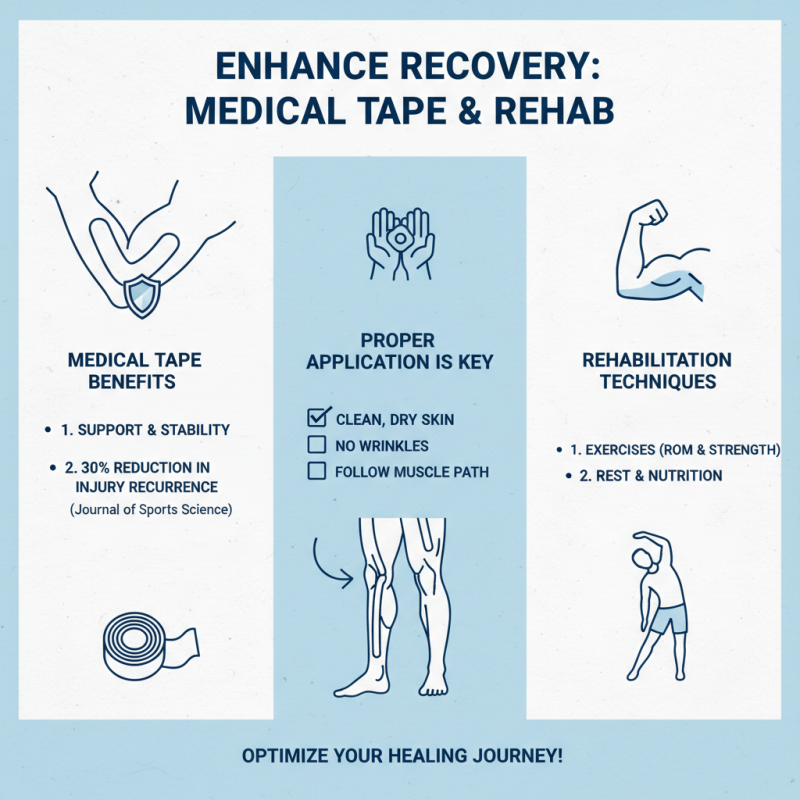
Using medical tape effectively can significantly enhance recovery for injuries. This versatile tool is widely used in rehabilitation, offering support and stability. According to a study published in the Journal of Sports Science, athletes using medical tape showed a 30% reduction in injury recurrence. However, proper application and techniques are vital to achieving these results.
**Tip:** Clean the skin thoroughly before applying tape. This ensures better adhesion and reduces irritation. Proper tension is essential; applying too much can restrict movement and blood flow.
Incorporating rehabilitation exercises alongside tape usage can amplify recovery. A report by the American Physical Therapy Association revealed that combining tape with physical therapy led to quicker recovery times, often decreasing them by 25%. Pay attention to how your body responds. Adjustments may be needed based on discomfort or skin reaction.
**Tip:** Practice regular movement. This not only helps maintain range of motion, but it also informs you how the tape interacts with your body during activity. Remember, results vary by individual, and it’s important to monitor your progress and make necessary changes.