2026 How to Choose the Right Foot Braces for Your Needs?
Choosing the right foot braces can significantly impact your mobility and comfort. Foot braces provide essential support for various conditions, such as injuries, arthritis, or structural issues. With numerous options available, selecting the most suitable brace can be challenging.
Understanding your specific needs is crucial. Whether you require stability, pain relief, or injury prevention, the right foot brace can enhance your quality of life. It's important to consult with a healthcare professional for guidance. They can offer personalized advice based on your condition and lifestyle.
Many people overlook the significance of fit and material. A poorly fitting brace can lead to discomfort or further complications. Take time to research different types of foot braces. Keep in mind that not every brace works for everyone. Reflect on what works best for you and be open to trying various options. In the end, the right foot brace can transform your daily activities.
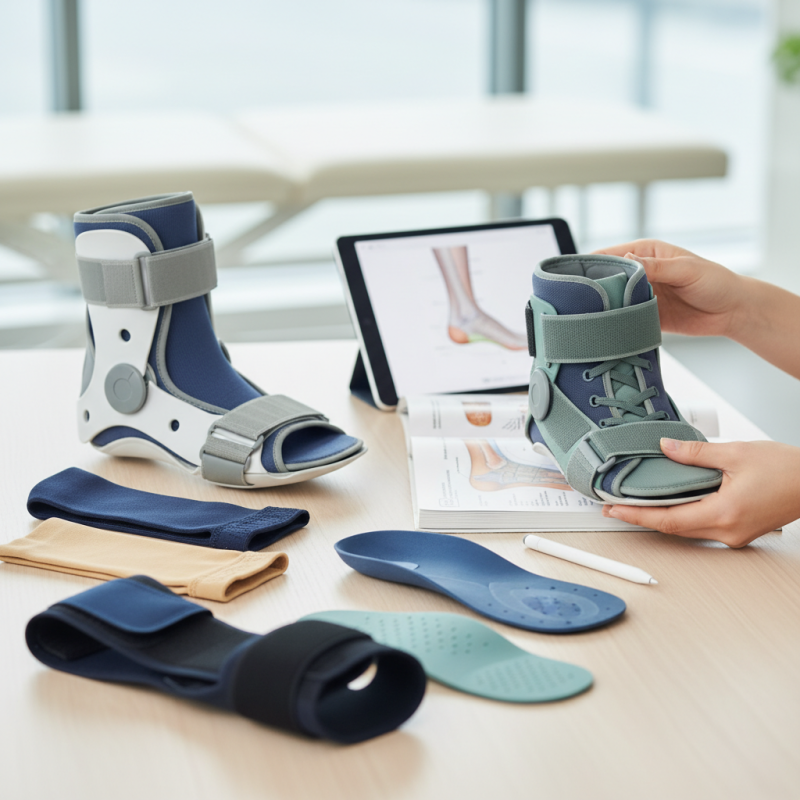
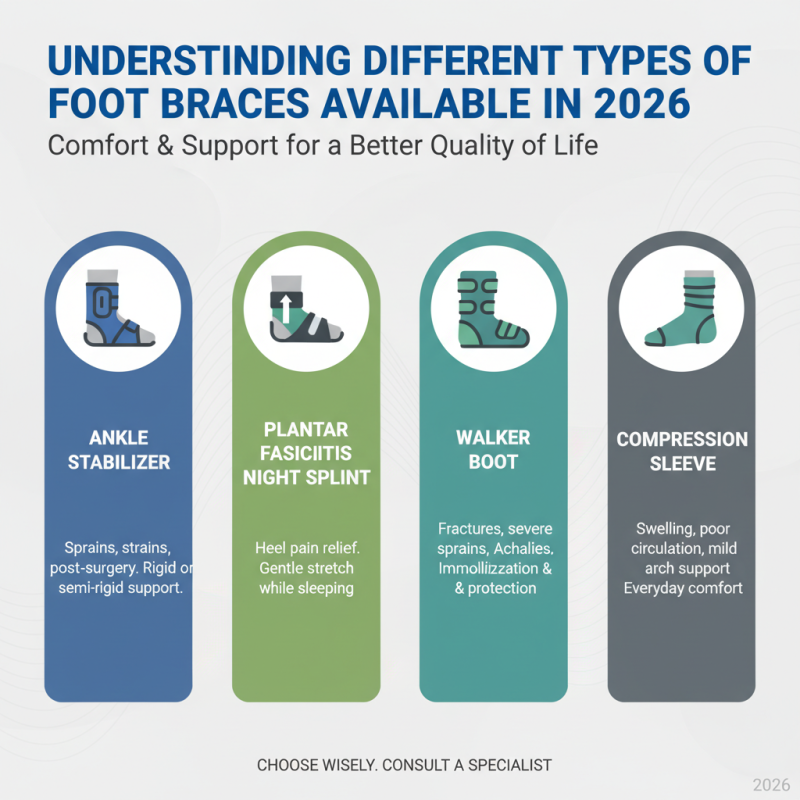
Understanding Different Types of Foot Braces Available in 2026
Choosing the right foot brace is essential for comfort and support. In 2026, various types of braces cater to different needs. From injury recovery to chronic conditions, understanding your options can significantly improve your quality of life.
Common types include rigid orthotics, which provide maximum support for severe injuries, and flexible braces, ideal for mild strains. A recent industry report indicates that over 30% of individuals with foot pain don’t seek proper support. This can escalate issues and lead to long-term discomfort.
**Tip:** Always consult a healthcare professional before selecting a brace. They can recommend specific types based on your condition. Ensure that the brace fits well; a poorly fitted brace may cause more problems than it solves.
Consider how your lifestyle influences your choice. Athletes may need braces designed for movement, while someone with diabetes might focus on cushioning. Remember, some braces may restrict movement. Weight distribution and foot anatomy are key factors. Reflect on your daily activities; the best brace will support, not hinder, your lifestyle.
**Tip:** Experiment with different styles to find the right fit. Your comfort may vary with activity level and foot type.
Key Considerations for Choosing Foot Braces for Specific Conditions
Choosing the right foot brace requires careful thought. You must consider your specific condition. Foot braces are diverse. They cater to various issues like arthritis, plantar fasciitis, or ankle sprains. Not all braces work for everyone. You need to identify your unique needs, based on your diagnosis.
Fit and comfort are crucial factors. A brace should not be too tight or too loose. Look for adjustable features that provide a secure fit. Some materials may irritate the skin. Testing several options can help you discover what feels right. It’s okay if the first choice isn’t perfect. Each person's foot is different, creating a need for personal trial and error.
Seek expert opinions when necessary. Physical therapists can offer insights tailored to your situation. Their knowledge ensures you make informed decisions. Don't hesitate to ask for recommendations based on your lifestyle and activity level. As you navigate your options, take your time. Finding the right brace can significantly improve your mobility and comfort.
2026 How to Choose the Right Foot Braces for Your Needs? - Key Considerations for Choosing Foot Braces for Specific Conditions
| Condition |
Recommended Type of Brace |
Key Features |
Size Adjustment |
| Plantar Fasciitis |
Ankle Support Brace |
Arch support, shock absorption |
Adjustable straps |
| Ankle Sprain |
Lace-Up Ankle Brace |
Stability, customizable fit |
Multiple sizes available |
| Flat Feet |
Orthotic Inserts |
Arch support, cushioning |
Various sizes and thicknesses |
| Achilles Tendinitis |
Heel Brace |
Heel lift, compression |
Universal fit |
| Diabetic Foot Issues |
Custom Foot Orthotics |
Pressure relief, comfort |
Tailored to individual needs |
Evaluating the Fit and Comfort of Foot Braces
When choosing foot braces, fit and comfort are paramount. A brace that doesn't fit well can cause more harm than good. It's essential to measure your foot accurately. Use a Brannock device if available. This gives a reliable measurement of length and width. Consider trying on braces with the socks you typically wear. This small detail can influence your overall comfort.
It’s important to assess how the brace feels while walking or standing. Pay attention to pressure points or areas that feel tight. You want support without sacrificing mobility. Some braces may feel comfortable initially but cause chafing after prolonged use. It is a good idea to wear them for short periods at first.
Reflect on your daily activities and select a brace that aligns with those needs. If you're active, look for options that provide stability without limiting your movements. If you’re on your feet all day, cushioned support could be vital. Keep adjusting and testing different styles. The right fit is often a journey, not an immediate flush.
Materials and Construction: What to Look for in Foot Braces
Choosing the right foot braces involves careful consideration of materials and construction. The type of material directly impacts comfort and durability. Look for breathable fabrics that manage moisture. Neoprene is a popular choice for its flexibility. It allows for movement while providing support. However, it can trap heat, which may not be ideal for long-term wear.
Construction is equally vital. Well-constructed braces have reinforced stitching. This feature enhances durability and prevents wear and tear. A supportive arch is necessary for many users. Some designs also offer adjustable straps. These offer a customized fit, but not all braces have this feature. Testing the fit is crucial. A too-tight brace can cause discomfort.
While many braces promise relief, not every option is suitable for your needs. Research and consult a medical professional if necessary. User reviews can also provide insights, revealing both strengths and weaknesses. Remember, what works for one person might not work for another.
2026 How to Choose the Right Foot Braces for Your Needs?
Consulting Healthcare Professionals for Personalized Foot Brace Recommendations
Choosing the right foot brace can be overwhelming. Each person's needs are unique, and a one-size-fits-all approach rarely works. Consulting healthcare professionals is key. They have the expertise to recommend braces based on personal conditions, lifestyle, and level of physical activity.
When you visit a healthcare provider, they assess your foot structure and any pain or discomfort you may experience. This evaluation helps them suggest options that support your specific needs. They also consider daily activities. Do you stand a lot during the day? Are you an athlete? These factors influence their recommendations.
It's essential to ask questions during your consultation. Don't hesitate to share any concerns. Sometimes, a brace may feel uncomfortable initially or not fit correctly. This feedback is valuable for adjustments. Remember, the right brace can take time to find. Be patient and open to trying different options to achieve optimal comfort and support.