Essential Tips for Choosing the Right Adhesive Bandages?
When it comes to selecting the right adhesive bandages, expert insight can be invaluable. Dr. Lisa Harrington, a leading wound care specialist, asserts, "Choosing the right adhesive bandage can significantly affect healing." This statement underlines the importance of understanding various factors in adhesive bandage selection.
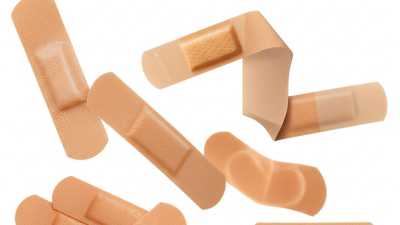
Adhesive bandages come in many shapes and sizes. Each type is designed for specific uses, from minor cuts to larger wounds. For instance, fabric bandages provide flexibility, while waterproof options keep the area dry. Understanding these differences helps in making informed choices.
Many people overlook their adhesive needs. Some might grab the first bandage they see. However, considering the material, size, and absorbency can lead to better healing outcomes. Reflecting on past experiences can aid in learning what works best for you or your family. Choosing the right adhesive bandages isn’t just about sealing a wound; it’s about understanding how to support proper recovery.

Understanding Different Types of Adhesive Bandages Available
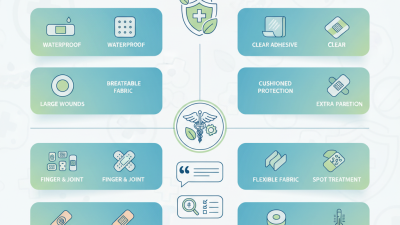
When it comes to adhesive bandages, understanding the different types available can make a huge difference in treatment. There are fabric, plastic, waterproof, and specialized options. Fabric bandages stretch with movement and are ideal for joints. They offer flexibility and comfort for active lifestyles. Plastic bandages are typically more transparent and blend well with the skin. They are great for smaller cuts.
Waterproof bandages are essential for injuries exposed to moisture. Their sealing ability protects the wound from germs. Specialized bandages, such as hydrocolloid or silicone, can promote faster healing by providing a moist environment. These options are often more suited for blisters and minor burns. The range might seem overwhelming.
Picking the right type requires consideration of the injury and lifestyle. Ask yourself questions like, "Will this get wet?" or "Does this area need flexibility?" Sometimes, it's easy to choose based on appearance. However, that may not always be the best choice. Learning from experiences will refine your selection skills for future needs.
Assessing the Size and Shape for Optimal Coverage
When selecting adhesive bandages, size and shape play critical roles. Different injuries require specific coverage. A small cut might need a simple square bandage, while larger wounds benefit from larger, more shaped options. Consider the location of the wound. For hands, flexible designs allow for movement.
Tip 1: Measure the injury for accurate fit. Avoid bandages that are overly large or too small. An incorrect size can lead to discomfort or inadequate protection. You want the bandage to provide a snug fit without pinching the skin.
Tip 2: Think about the shape. Some bandages come in fun shapes or specific formats, like butterfly or round. These can offer better coverage on varying surfaces. For instance, curved shapes can fit better around joints, ensuring stability without hindering movement.
Tip 3: Test several types. Not every bandage works perfectly for everyone. Some may peel off too easily, while others may irritate the skin. Pay attention to how each type feels and adheres. Adjust your selection based on personal experience.
Understanding the right size and shape can make a significant difference. It’s worth taking the time to choose wisely.
Essential Tips for Choosing the Right Adhesive Bandages
Choosing the right adhesive bandage is crucial for effective wound care. The chart above shows the coverage area of different sizes of adhesive bandages, allowing you to assess which size might be optimal for your needs.
Evaluating Adhesive Strength for Various Skin Types
Choosing the right adhesive bandage is crucial, especially when considering the diverse needs of various skin types. Research indicates that approximately 30% of individuals experience reactions to certain adhesive materials. This statistic highlights the importance of evaluating adhesive strength tailored to different skin sensitivities.
For sensitive skin, hypoallergenic options are essential. These types typically utilize medical-grade silicone or latex-free adhesives. A study published in the Journal of Wound Care suggests that silicone-based adhesives can reduce irritation by up to 80% for this demographic. When selecting bandages, apply them on a small test area first, to monitor for reactions.
Furthermore, skin condition can impact adhesive effectiveness. For instance, moist or oily skin can hinder adhesion. According to data from the American Academy of Dermatology, individuals with oily skin may need bandages designed for higher adhesion. Understanding your skin type helps in making informed choices. Testing different products is crucial, but it can be frustrating. It's part of the learning process in wound care management. Choosing wisely enhances healing and minimizes discomfort.
Considering Moisture Resistance and Breathability Features
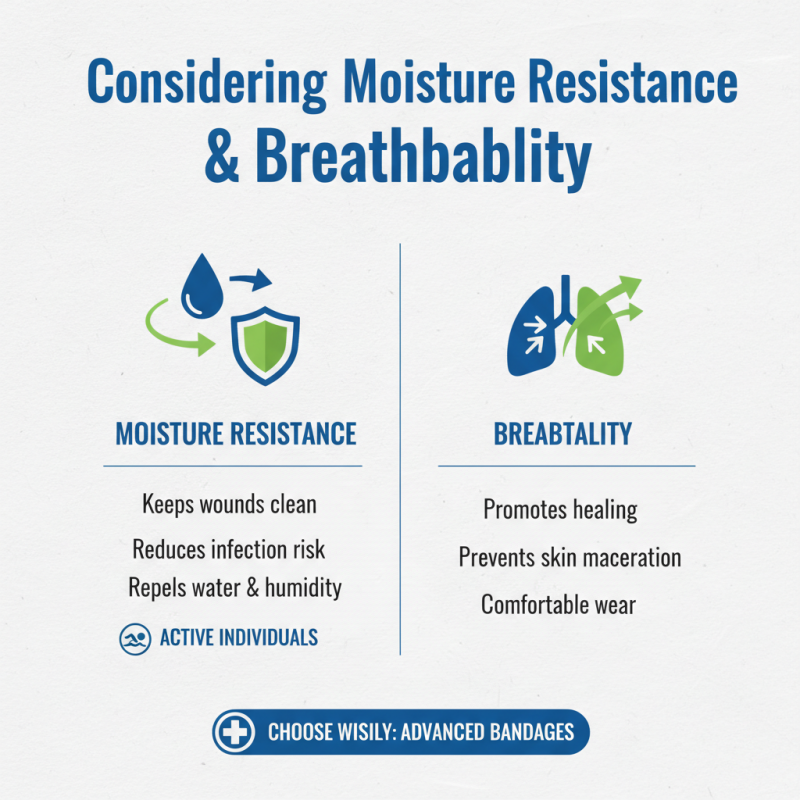
When choosing adhesive bandages, moisture resistance is crucial. A bandage that repels water keeps wounds clean and reduces the risk of infections. Look for materials designed to withstand humidity and wet conditions. For example, some bandages contain a special coating that prevents moisture from seeping in, which is beneficial for active individuals.
Breathability is another important feature. A breathable bandage allows air to circulate while still protecting the wound. This helps the healing process by reducing moisture buildup around the injury. Some bandages use advanced fabric technology to enhance airflow. It's essential to find a balance between coverage and breathability. A bandage that is too thick may not allow adequate air circulation, leading to discomfort.
While evaluating these features, consider your individual needs. If you're engaging in sports or physical labor, you may require a sturdier bandage. On the other hand, for minor cuts, a lighter option may suffice. Reflect on your environment and activities; the right choice varies based on circumstances.
Checking for Allergens and Skin Sensitivity Compatibility
When choosing adhesive bandages, checking for allergens and skin sensitivity compatibility is crucial. Many bandages contain latex or other materials that can cause allergic reactions. Therefore, it’s essential to read labels carefully. Look for indicators like “latex-free” or “hypoallergenic.” These options are often safer for sensitive skin.
Consider conducting a patch test. Apply a small section of the bandage to your skin. Wait for 24 hours to see if any irritation occurs. This simple step can prevent unnecessary discomfort. It’s better to be cautious than to suffer from rashes or blisters later.
Always assess the adhesive properties of the bandage. Some adhesives are stronger and may stick too well, causing pain during removal. Others might not adhere properly, leading to a lack of protection. Finding a balance between adhesion strength and ease of removal can drastically enhance your experience with bandages.