Adhesive Bandages are small, practical dressings for minor skin injuries. A clean strip can cover a shallow cut on a finger, a scrape on a knee, or a spot rubbed raw by new shoes. The pad helps absorb a little blood or fluid, while the surrounding adhesive holds it in place. Small, but useful.
Their purpose is simple: keep the injured area covered and reduce contact with dirt, clothing, and everyday friction. Before applying one, gently clean the wound and dry the surrounding skin so the bandage can stick. Choose a size that covers the injury without stretching the skin, and replace it if it becomes wet or dirty. A loose edge can catch on a sleeve; a bandage that feels too tight may be uncomfortable.
They are not for every wound. Deep, gaping, heavily bleeding, or contaminated injuries may need prompt medical attention rather than a small dressing. Some people also react to adhesives, so watch for itching or redness around the covered area. Stop if irritation develops.
This guide explains common uses, basic application, and when a bandage may not be enough. The details matter. It is easy to treat a familiar item as foolproof, but even ordinary first aid deserves a little care.
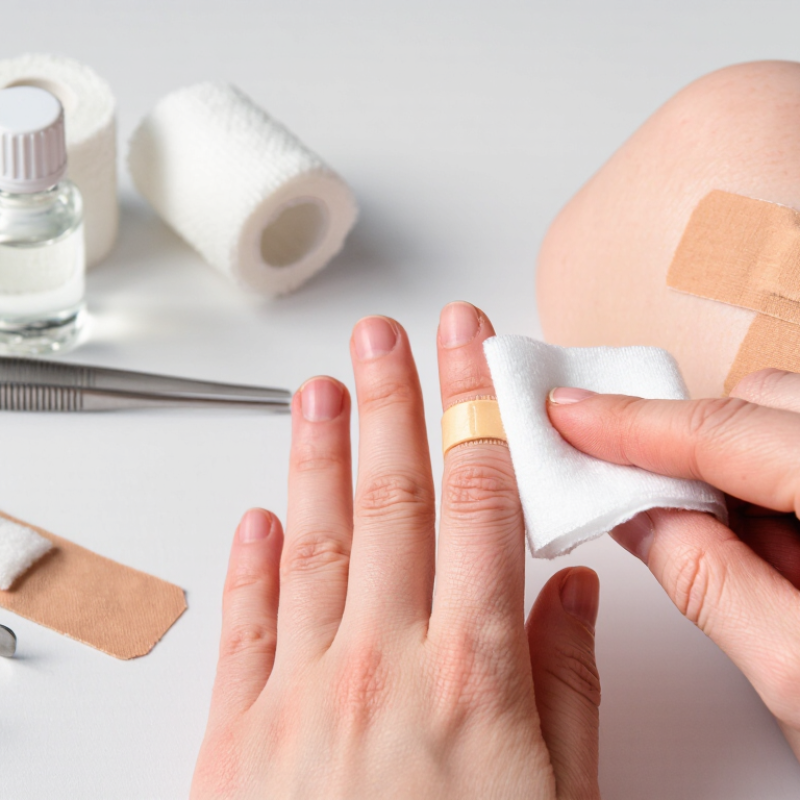
An adhesive bandage is a simple dressing for minor cuts, scrapes, and blisters. Its backing sticks to clean, dry skin, while the central pad rests over the injured area. The pad absorbs a small amount of blood or fluid, and the backing helps shield the wound from dirt and rubbing. It does not disinfect a wound or close a deep cut. Not a cure-all.
A useful bandage protects without pressing too tightly. Replace it if it becomes wet, dirty, or loose; check the skin for irritation from the adhesive. In a 1962 report in Nature, researcher G. D. Winter found that covered superficial wounds on young pigs re-epithelialized about twice as quickly as uncovered wounds. That animal finding supports moist wound coverage, but it does not mean every human cut heals twice as fast. The European Wound Management Association’s 2018 guidance also stresses matching a dressing to the wound’s condition and fluid level. For a small, clean scrape, a basic adhesive bandage is often practical; persistent bleeding, spreading redness, or increasing pain calls for professional advice. The evidence is helpful, though less tidy than a bandage wrapper might suggest.
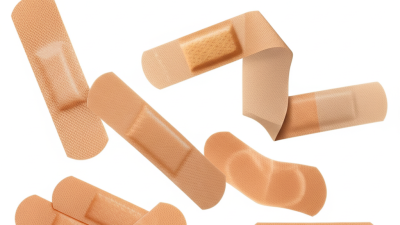
What Are Adhesive Bandages Used For?
Common Minor Injuries They Help Protect
Adhesive bandages are useful for small cuts, shallow scrapes, and cracked skin that might rub against clothing. A clean pad covers the raw spot, while the sticky edges help keep dirt and fingers away. Think of a scraped knee under jeans or a nick on a fingertip near a keyboard. Small protection matters. The American Academy of Dermatology advises cleaning minor wounds, applying petroleum jelly, and covering them with a bandage; changing it daily is part of its wound-care guidance. A bandage should feel secure, not tight, and the wound should be checked when the dressing comes off.
They can also cushion a small blister from shoe friction, but covering an intact blister is usually better than popping it. For a damp or awkwardly placed wound, an ordinary strip may peel off quickly. That happens. Choose a size that covers the injury without stretching the skin, and stop using it if the adhesive causes irritation. A Cochrane review of dressings for superficial and partial-thickness burns examined 30 trials involving 2,517 people; the authors found the evidence comparing many dressings was generally limited. This review concerns burn dressings, not everyday adhesive strips, so it is a reminder that one dressing does not suit every injury. Don’t use a small bandage to mask a deep, dirty, or worsening wound; seek professional care when needed.
| Minor injury | How a bandage helps | Basic care before covering | When to seek medical advice |
|---|---|---|---|
| Small, shallow cut | Covers the wound and helps keep out dirt while it heals. | Rinse with clean running water, gently clean around it, and apply gentle pressure if it is bleeding. | Get care if bleeding will not stop with steady pressure, the cut is deep or gaping, or its edges will not stay together. |
| Minor scrape (abrasion) | Protects the scraped area from rubbing and everyday contamination. | Rinse away dirt and gently pat the surrounding skin dry before applying a clean bandage. | Seek advice if debris is embedded, the scrape is extensive, or signs of infection develop. |
| Paper cut or small superficial nick | Shields a small cut that may otherwise be exposed to frequent contact. | Wash with clean water, make sure bleeding has stopped, and use a bandage that fits without pulling the skin. | Ask a healthcare professional if the wound becomes increasingly red, warm, swollen, painful, or starts draining pus. |
| Small blister that has opened | Helps protect exposed skin from friction and dirt. | Gently clean the area and cover it with a clean, non-stick dressing or a suitable bandage. Avoid deliberately popping an intact blister. | Seek advice for a large or very painful blister, or one that appears infected. Blisters from burns may need specific care. |
| Minor skin irritation from friction | Can reduce further rubbing when the affected area is small and the skin is not seriously damaged. | Clean and dry the area, then apply the bandage without stretching it tightly. | Remove the bandage if it causes a rash or worsening irritation. Get advice if the skin is broken over a large area or symptoms worsen. |
General tip: Use a clean bandage and replace it daily, or sooner if it becomes wet or dirty. Follow the product directions, and avoid applying adhesive directly to an open wound. A bandage does not replace medical care for a serious injury or a wound that is not healing.
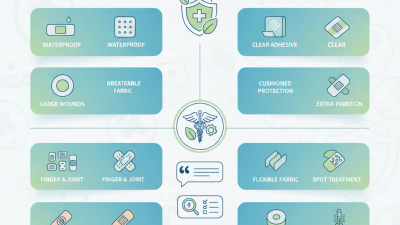
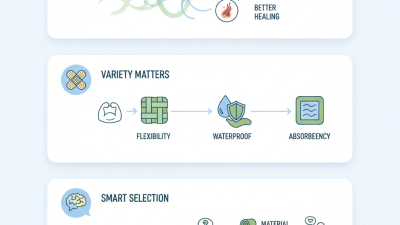
An adhesive bandage has a few small parts, each with a practical job. The outer backing may be woven fabric, flexible plastic film, or a soft nonwoven material. Fabric bends easily around a knuckle, while film can help keep light splashes away. No backing suits every spot. Skin moves, sweats, and sometimes reacts differently than expected.
At the center sits an absorbent pad, usually made from cotton, rayon, or a blend. It cushions a minor cut and absorbs a small amount of blood or fluid. The pad should cover the injured area without sticking firmly to it. Around it, a pressure-sensitive adhesive holds the bandage to clean, dry skin; common formulations include acrylic or rubber-based adhesives. A removable paper or plastic liner protects the sticky surface before use. Small parts, useful work. It is easy to judge a bandage by its pad alone, but the edges often decide whether it stays in place. If skin becomes itchy or red, remove the bandage and check its material information, especially when sensitivities are known. For a wound that is deep, dirty, or not stopping its bleeding, a simple bandage may not be enough.
Wash your hands with soap and water before touching a cut. If it is bleeding, press gently with clean gauze until the bleeding slows. Rinse the wound under clean running water, then pat the surrounding skin dry. A little sting can happen. Avoid putting adhesive directly on the wound.
Center the soft pad over the cut, leaving the sticky edges on dry, unbroken skin. Press those edges down gently, without stretching the bandage tightly. Change it at least once a day, or sooner if it becomes wet, dirty, or loose. Check the skin each time. Redness or itching under the adhesive may mean the dressing is irritating your skin.
To remove a bandage, lift one corner and ease it back slowly, keeping it close to the skin rather than pulling upward. If it sticks, dampen it with warm water and wait briefly before trying again. Slow is better. Do not rip it off; small cuts can reopen, and tender skin can tear.
A cut that is deep, gaping, keeps bleeding, or shows spreading redness, warmth, swelling, or pus needs medical attention. A bandage protects minor wounds, but it cannot repair every injury.
Adhesive bandages suit small, shallow cuts and scrapes after the wound is rinsed and bleeding stops. They protect the area from dirt and friction, but they cannot close a deep wound or remove debris. Keep the pad centered over the injury, and change it if it gets wet or dirty. A snug wrap is enough. Too tight can irritate skin or restrict circulation.
Know the limits. Seek urgent care if firm pressure does not stop bleeding after 10 minutes, the wound is deep or gaping, an object is embedded, or you can see bone or tendon. Bites and puncture wounds also need professional assessment, even when the skin opening looks tiny. Watch for spreading redness, warmth, increasing pain, pus, or fever. A bandage can feel reassuring, but reassurance is not treatment.
Tetanus protection matters, too. CDC wound-management guidance recommends a booster for dirty or major wounds when the last dose was five or more years ago; for clean, minor wounds, the interval is ten years. Ask a clinician if vaccination records are unclear. People with diabetes, poor circulation, or weakened immunity should seek advice sooner, especially for foot wounds. Small details matter. A tiny scrape can become a bigger problem when healing is impaired.