Leave Your Message

Top Orthopedic Brace Manufacturers for Global Buyers

Choosing an orthopedic brace manufacturer is more involved than comparing prices or browsing a polished product catalog. Orthopedic Braces must fit their intended use, feel secure during movement, and arrive with clear sizing and care information. A knee support with a poorly finished hinge or uneven stitching can raise questions that a product photograph will not answer.

For global buyers, supplier evaluation also means looking beyond the sample. Ask how manufacturers manage material selection, production checks, batch consistency, packaging, and lead times. Request relevant documentation, and verify certifications directly rather than treating a logo as proof. Requirements differ by product and destination market, so buyers should confirm applicable standards with qualified professionals before placing an order. Small details matter.

This guide introduces manufacturers serving international buyers and the practical factors that can shape a sourcing decision. It considers product range, customization, manufacturing capability, communication, and after-sales support. Where available, samples and clear written specifications can help buyers assess fit, finish, and labeling before a larger commitment. Still, one successful sample does not guarantee every production run will match. That gap deserves attention. No supplier is the right choice for every buyer, and public information may not tell the whole story. Careful comparison, direct questions, and realistic expectations offer a more dependable starting point.
Top Orthopedic Brace Manufacturers for Global Buyers

Orthopedic Braces: Types, Uses, and Global Market Overview

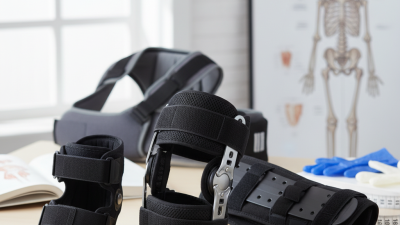
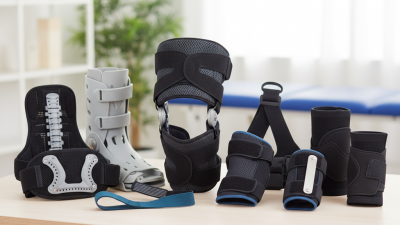
Orthopedic braces support joints and soft tissues during recovery, daily activity, or sport. Common types include knee sleeves, hinged knee braces, ankle supports, wrist splints, and spinal orthoses. Their designs range from flexible compression fabric to rigid frames with adjustable straps. Fit matters. A knee brace that slips during walking may offer little practical support, while one that is too tight can cause discomfort or skin irritation.

Uses vary with the injury, body area, and care plan. A clinician may recommend a wrist splint to limit movement after an injury, or an ankle brace for added stability during rehabilitation. Braces do not replace diagnosis or treatment, and the right level of support is not always obvious. Small details count: seam placement, breathable fabric, secure fasteners, and clear sizing instructions can affect everyday wear.

For global buyers, the market includes products made for hospitals, clinics, pharmacies, and direct consumer use. Product requirements differ by destination, so buyers should check applicable medical-device rules, labeling, documentation, and quality controls before sourcing. Ask manufacturers about material composition, size ranges, cleaning guidance, and consistency between samples and bulk orders. A brochure can look convincing. Real-world fit may still disappoint, especially when sizing charts do not reflect different body shapes. Requesting sample units and reviewing user feedback can reveal practical issues before a larger purchase.


How to Evaluate Orthopedic Brace Manufacturers

Evaluating orthopedic brace manufacturers requires more than comparing prices and product photographs. Request technical specifications for each brace, including materials, sizing ranges, closure types, and intended support level. Then compare those details with the needs of your patients or distribution market. A wrist brace that looks sturdy online may still have rough seams or closures that loosen after repeated use. Ask how the manufacturer checks fit, stitching, and finished dimensions across production batches.

Evidence matters. Request relevant test reports, quality-control procedures, and documentation showing how products are tracked by batch. Check whether sample units match the written specifications, and ask how defects or customer complaints are handled. Clear answers are useful. Vague assurances are not. If a supplier provides test documents, verify that they apply to the specific product and material being considered. Requirements can differ by market, so buyers should confirm applicable rules with qualified local professionals rather than assume one document covers every destination.

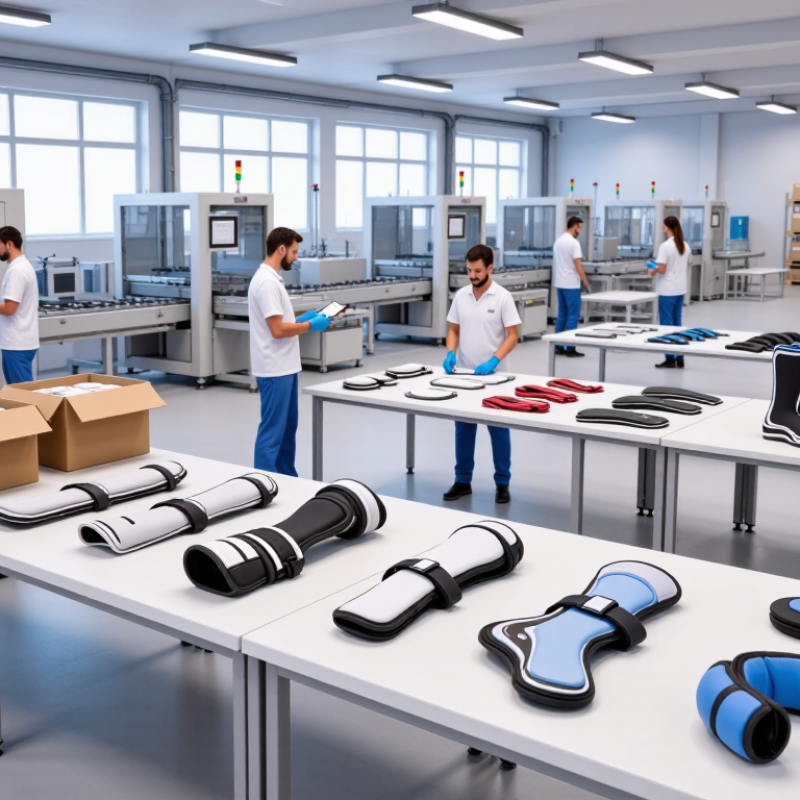
Also assess practical reliability: production capacity, sample timelines, packaging, and communication during delays. Ask for realistic lead times, not just the most optimistic estimate. A small sample order can reveal issues that a polished catalog cannot, though it may not predict every large-scale production problem. I would not treat the lowest quote as the best value; however, a higher price alone proves little. Compare the evidence, test samples where possible, and keep written records of agreed specifications.

Profiles of Leading Manufacturers by Region

North American orthopedic brace manufacturers commonly serve hospitals and rehabilitation clinics with adjustable knee, ankle, and spinal supports. Product teams often focus on sizing options, clinical documentation, and replacement parts. The WHO’s 2022 Global Report on Assistive Technology estimates that more than 2.5 billion people need at least one assistive product. That figure includes many product types, not braces alone.

European manufacturers are often assessed for material traceability, fit testing, and documented quality processes. Buyers should check whether these capabilities apply to the specific brace, rather than assuming every product meets the same standard. In East Asia, larger production networks can support broad size ranges and high-volume orders. Ask for sample inspection records and clear labeling; a low unit price can hide inconsistent stitching or padding.

Manufacturers in South and Southeast Asia may offer flexible textile production and competitive pricing, though lead times and customization vary. WHO reports that musculoskeletal conditions affect about 1.71 billion people worldwide. Demand is substantial, but regional need does not guarantee dependable supply. A gap remains. Compare return rates, material specifications, and clinician feedback across markets, and request evidence for performance claims before placing large orders.

Comparing Product Range, Quality, and Regulatory Standards

Top Orthopedic Brace Manufacturers for Global Buyers

Comparing product range, quality, and regulatory standards helps buyers avoid choosing on price alone. A supplier may offer knee, ankle, wrist, and spinal braces, yet range matters only when sizes, adjustment options, and replacement parts suit the intended users. WHO’s 2022 musculoskeletal conditions fact sheet estimates that 1.71 billion people live with these conditions worldwide. That scale makes dependable fit and clear instructions practical priorities, not minor details. Small details matter.

Compare materials, stitching, hinges, closures, and sizing charts. Ask for test records, batch traceability, and evidence supporting the product’s stated use. ISO 13485 concerns medical-device quality management systems; certification does not, by itself, prove every brace performs well clinically. Requirements also vary by destination and product classification. For example, European and US frameworks use different processes, so buyers should verify applicable documentation for each market. One concern: a large catalog can make gaps in model-specific evidence less visible.

Tips: Request sample sizes and inspect seams, labels, and fastening strength. Check whether instructions explain fitting, cleaning, and wear limits. WHO’s report offers useful context, but it is not a product-quality ranking. Compare supplier claims against independent test reports and current regulatory documents before ordering.

Top Orthopedic Brace Manufacturers for Global Buyers - Comparing Product Range, Quality, and Regulatory Standards

Manufacturer Capability to Compare Typical Product Range Quality Evidence to Request Regulatory Considerations Buyer Verification Check
Soft-support brace specialist Elastic knee sleeves, wrist supports, ankle supports, abdominal binders, and other textile-based supports. Material specifications, stitching and seam checks, dimensional tolerances, labeling controls, and documented lot traceability. Regulatory status depends on the product’s intended purpose and sales market. In the United States, device classification determines applicable requirements; establishment registration or device listing is not FDA approval. Confirm material composition, size range, care instructions, skin-contact information, and consistency between samples and production lots.
Rigid and hinged brace specialist Hinged knee braces, wrist splints, elbow braces, ankle-foot orthoses, and products incorporating stays or structural components. Component and assembly inspection, hinge and fastener checks, strength or durability test records where applicable, and controlled production documentation. Classification and conformity obligations vary by intended use and jurisdiction. For the EU, medical devices placed on the market are subject to the EU Medical Device Regulation (MDR); conformity-assessment requirements depend on device classification. Check hinge performance, fit and adjustment instructions, replacement-part availability, and evidence supporting any stated performance claims.
Post-operative and immobilization brace specialist Knee immobilizers, post-operative range-of-motion braces, shoulder immobilizers, and other adjustable devices used during recovery. Documented inspection criteria for straps, closures, adjustment mechanisms, and size or fit; review risk-management and complaint-handling processes. Medical claims and intended use can affect classification and premarket obligations. Confirm the specific authorization, clearance, or conformity status required in each destination market. Review instructions for use, warnings, fitting guidance, and whether clinical or performance claims are supported by appropriate evidence.
Custom orthosis and made-to-measure producer Patient-specific braces or orthoses produced from measurements, casts, scans, or clinical prescriptions. Measurement and design controls, order-to-device traceability, fitting and adjustment records, and procedures for managing design changes. Rules can differ for custom-made devices and patient-matched products. Buyers should verify the applicable definition and documentation requirements in each market rather than assuming a general exemption. Clarify prescription requirements, fitting responsibility, remake policy, patient-data handling, and lead times for adjustments.
Broad-range OEM/ODM producer Multiple brace categories, often with private-label, packaging, customization, or contract-manufacturing services. Quality-management documentation, supplier controls, change-control records, batch traceability, and a process for investigating nonconformities. ISO 13485 is a quality-management-system standard for medical-device organizations; it does not, by itself, authorize a product for sale. Market access depends on applicable product and jurisdictional requirements. Identify the legal manufacturer, confirm who controls the product design and labeling, and ensure the commercial agreement covers regulatory documents and change notification.
International-market supplier Brace products configured for multiple markets, languages, packaging formats, and distribution channels. Controlled labeling and packaging processes, market-specific document management, traceability, and procedures for handling field actions or recalls. EU CE marking follows the applicable conformity-assessment route under the MDR; a Notified Body is involved where required by device class and route. Other markets have their own registration and importer obligations. Request current market-specific documentation, verify the authorized representative or importer where applicable, and check label language and claims before shipment.

Buyer note: This table compares manufacturer capabilities and verification criteria, not named companies or ranked suppliers. Regulatory requirements depend on product design, intended purpose, claims, and destination market; confirm current requirements with the relevant regulator or qualified regulatory professional.

Key Considerations for Global Sourcing and Distribution

Top Orthopedic Brace Manufacturers for Global Buyers

For global buyers, supplier evaluation should go beyond unit price. Check whether brace materials, stitching, closures, and sizing remain consistent across repeat orders. Ask for specifications, inspection records, and samples from the production line, not only a display sample.

Small details matter. A strap that slips during wear can create returns and reduce user confidence.

Distribution needs equal attention. Confirm carton dimensions, shipping schedules, minimum order quantities, and how suppliers handle shortages or damaged goods. Compare size charts with measurements used in your target market. Labels and care instructions may need translation, and local import or product requirements can vary. Verify these details with qualified local advisers before shipment.

That takes time. One uncomfortable point: a polished sample does not prove that every batch will match it. Consider a pilot order, inspect several units, and record any differences before committing to larger volumes.

Share field feedback with the manufacturer, including recurring fit complaints or fastener wear. Reliable sourcing is a process, not a one-time price check.