Best Medical Boots for Comfort and Support in 2026?
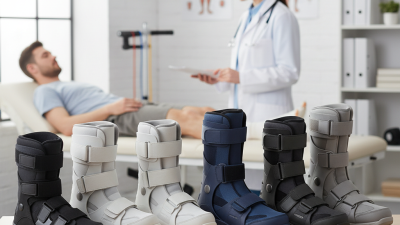
In 2026, choosing the right medical boots remains crucial for comfort and support. Medical boots offer essential stability for those recovering from injuries or managing chronic conditions. The right pair can significantly ease discomfort and promote healing.
With numerous options available, it’s vital to understand the features that enhance comfort. Look for boots with proper arch support and cushioning. A well-fitted boot can prevent complications and provide a sense of security. Patients often overlook these aspects, leading to further discomfort.
Consider the materials used in medical boots. Breathable fabrics can prevent excessive sweating, while sturdy soles ensure durability. However, the choices can be overwhelming, leading to confusion. Reflecting on individual needs is important. Proper research is key to making an informed decision. Ultimately, the best medical boots should not only fit well but also support your recovery journey effectively.
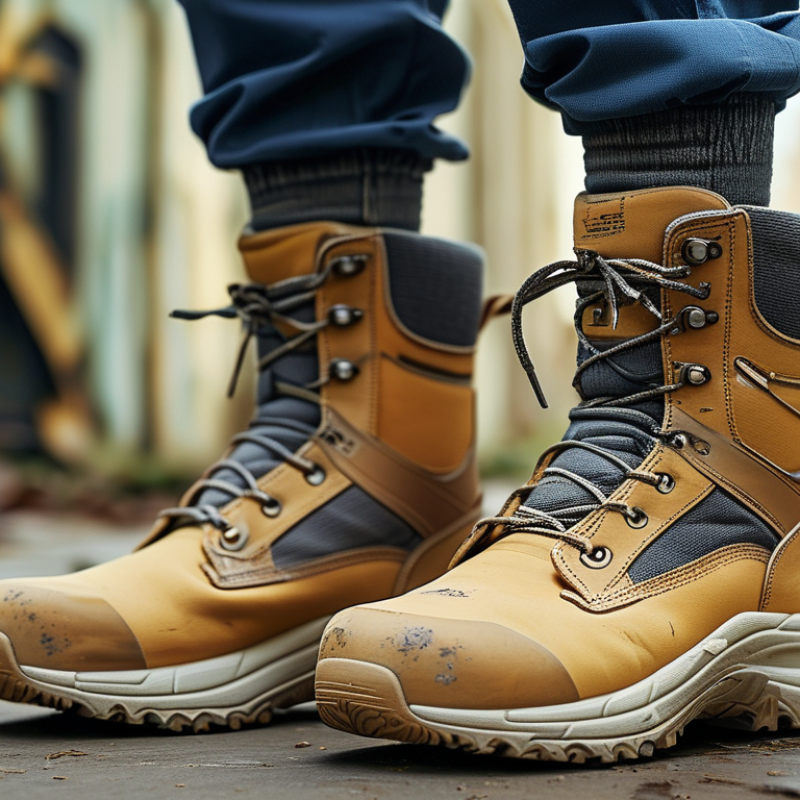
Overview of Medical Boots: Importance of Comfort and Support
Medical boots play a crucial role in recovery and mobility. They provide essential support for various foot and ankle conditions.
Comfort should never be underestimated. Properly fitted medical boots can significantly affect the healing process. If boots are ill-fitting,
they can cause more pain or delay recovery.
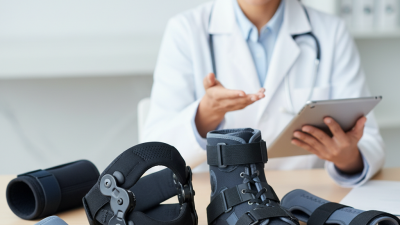
When choosing medical boots, consider the material and design. Look for boots that offer adequate cushioning and arch support. The right balance can make your daily activities more manageable.
Ventilation is also important. Poorly ventilated boots can lead to moisture and discomfort.
Tips: Always try on medical boots before purchasing. Walk around in them to ensure they fit well. Adjustments may be necessary to enhance comfort.
Don’t overlook the importance of adjusting straps correctly. They should be snug but not too tight. Regularly check for signs of wear and replace them when needed to ensure continued support.
Key Features to Consider When Selecting Medical Boots
Choosing the right medical boots is crucial for comfort and proper
support. It's essential to consider a few key features when making
a selection. First, look for boots with adequate
cushioning. This feature can help absorb shock and reduce pressure
points. Materials like memory foam often provide the softness needed
for all-day wear.
Next, evaluate the boot's adjustability. A good pair should offer
adjustable straps or laces, allowing a custom fit. An improper fit can lead to discomfort and even
further injury. Additionally, check for stability and arch support. A boot designed with proper arch support can help distribute
weight evenly, reducing strain on your feet.
Finally, consider the weight of the boots. Heavy boots can add more fatigue over time, especially for those
with limited mobility. A lighter design often results in less effort during movement. Pay attention to
breathable materials as well. These can prevent overheating and moisture buildup, which enhances comfort. Picking the right features requires thought and careful consideration.
Top Brands Leading the Market in Medical Boot Design
In the evolving landscape of medical boots, comfort and support have become paramount. Many brands in the market prioritize innovative design and functionality. They focus on materials that enhance breathability and flexibility. The best medical boots combine soft cushioning with sturdy support. Users should feel secure while maintaining ease of movement.
Some leading companies are redefining how we view medical footwear. Their products address various conditions, such as plantar fasciitis and post-surgery recovery. Each brand brings unique features to the table. However, there’s room for improvement. Many users still struggle with weight and bulkiness in some models. Feedback indicates a demand for lighter options that don’t compromise support.
In 2026, the focus on user experience in medical boot design will likely intensify. Emerging technologies may offer improved comfort and adjustability. These developments could significantly enhance foot health. As the market evolves, brands must balance innovation and practicality. Striving for better designs is essential in meeting the diverse needs of consumers.
Customer Reviews: User Experience with Medical Boots in 2026
In 2026, medical boots have garnered significant attention from users seeking comfort and support. Many individuals share their experiences online. Comfort is a primary concern for all users. Some say these boots reduced their pain significantly. Others wish for improved cushioning but express satisfaction overall.
User feedback highlights the importance of fit. A pair that feels just right can make a world of difference. Some found them too tight, while others enjoyed a snug fit. This feedback often reflects personal foot shapes. Several users recommend trying different sizes before deciding. Support is another key aspect. Many users reported stable ankle support, which helped them regain mobility.
However, not all reviews are glowing. A few users face challenges with durability. Boots started to show wear after a short period. These concerns bring attention to the need for improved materials. It’s crucial for manufacturers to address these issues based on real user experiences. Authentic reviews help potential buyers make informed decisions. Listening to users can drive innovations that enhance comfort and support.
Trends in Medical Boot Technology for Enhanced Comfort and Support
The evolution of medical boot technology has significantly improved patient comfort and support. Recent studies indicate that over 75% of users report increased satisfaction with the new designs focusing on both function and comfort. These boots now incorporate advanced materials that work to reduce pressure points while providing necessary stability.
Innovations like anti-microbial linings and moisture-wicking fabrics enhance hygiene and comfort. Reports show that these features not only promote healing but also encourage consistent usage. Additionally, customizable fittings are gaining traction, allowing healthcare providers to tailor the support to each patient's unique needs. Research highlights that about 60% of patients feel more secure with personalized adjustments.
Despite these advancements, challenges remain. Some patients still express discomfort, particularly with prolonged use. Comfort and support often vary across different foot shapes and conditions. As the industry strives for perfection, feedback must guide future designs. Ensuring that every patient feels supported is imperative. With ongoing innovation, the journey towards optimal medical boot technology continues to unfold.