How to Choose the Best Medical Tape for Your Needs?
Selecting the right medical tape can be challenging. With various options available, understanding your specific needs is crucial. Medical tape plays a vital role in wound care, securing dressings, and supporting injuries. It varies in adhesion, material, and purpose, making the choice complex.
Consider factors like skin sensitivity and the type of injury. Some tapes offer higher adhesion for long-lasting use, while others are gentle on the skin. Ideally, you want a tape that sticks well but does not irritate your skin. You may find yourself overwhelmed by choices, leading to uncertainty about what to buy.
Knowing the right characteristics of medical tape can help simplify your decision. Whether you need waterproof, hypoallergenic, or breathable options, understanding their features is important. Take time to reflect on your individual needs and preferences. This will guide you in selecting the best medical tape for your situation.
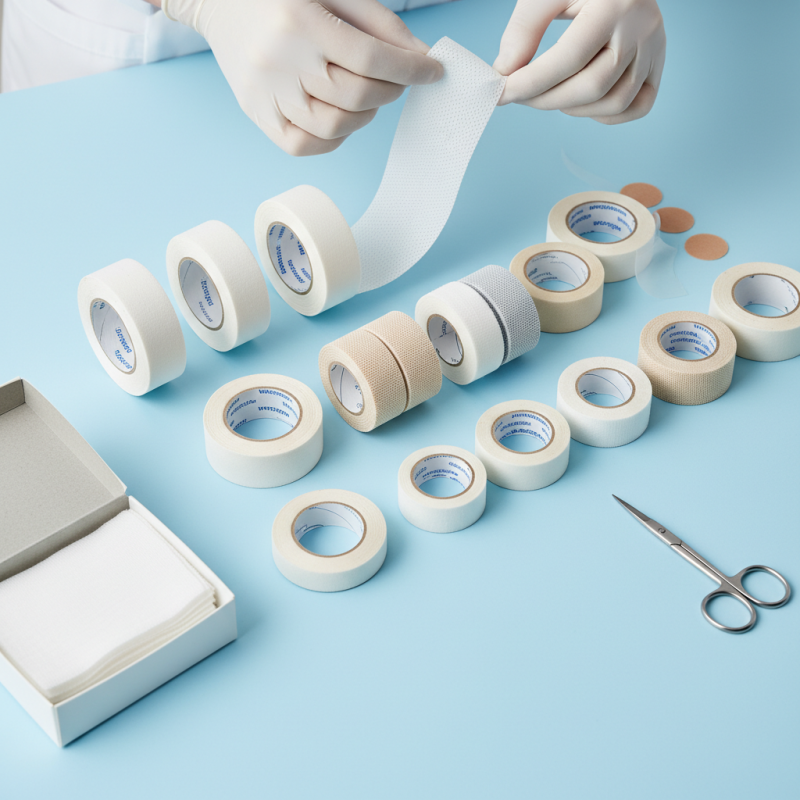
Understanding the Different Types of Medical Tape Available
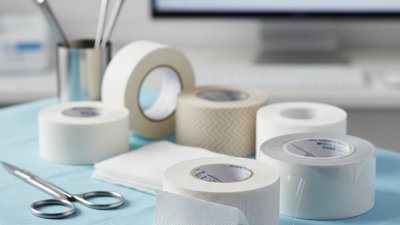
When it comes to medical tape, understanding the different types available is crucial for effective use. Medical tape comes in various forms, each designed for specific applications.
For instance, cloth tape is durable and easy to tear, making it useful for securing bandages. However, it may not be suitable for sensitive skin, as it can cause irritation.
Another type is paper tape, which is gentle and breathable. It adheres well but is less durable than cloth. This tape is ideal for sensitive skin types, especially for patients with allergies.
Transparent film tape is another option. It provides a waterproof barrier and allows for easy monitoring of the wound without removing the tape. However, its adhesive quality can lead to discomfort during removal.
It's important to reflect on your specific needs when selecting medical tape. Consider factors like the patient's skin type and the area of application. Always test a small area first to prevent adverse reactions. In some cases, what works for one person may not be the best choice for another. The right medical tape can enhance healing and comfort, but choosing incorrectly can hinder recovery.
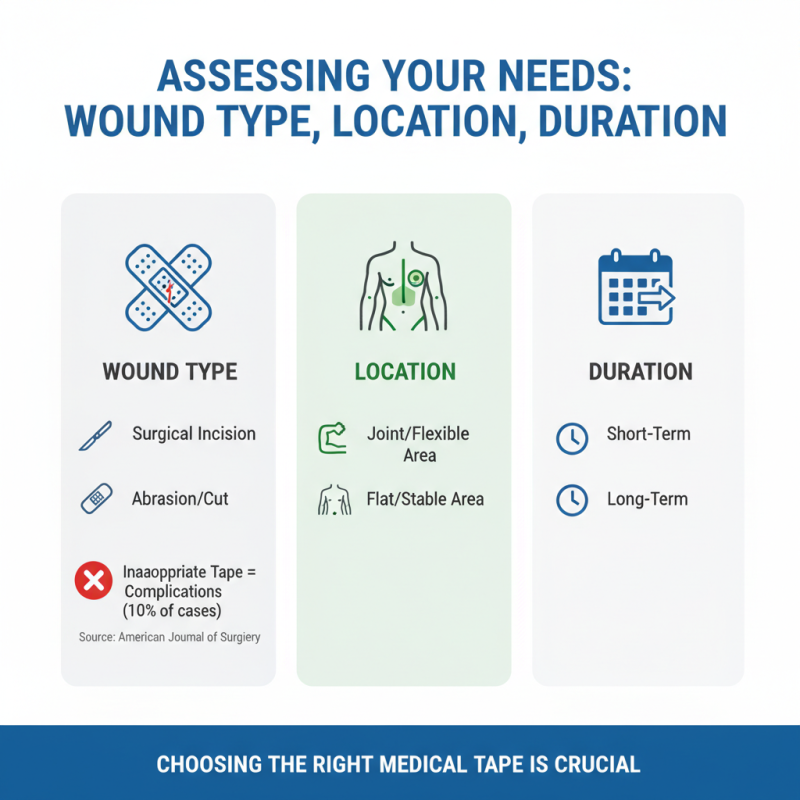
Assessing Your Needs: Wound Type, Location, and Duration
Choosing the right medical tape is crucial for effective wound management. Assessing specific needs is the first step. Different wound types, such as surgical incisions or abrasions, require distinct tape features. For instance, a report from the American Journal of Surgery indicates that approximately 10% of patients experience complications due to inappropriate post-surgical tape choices.
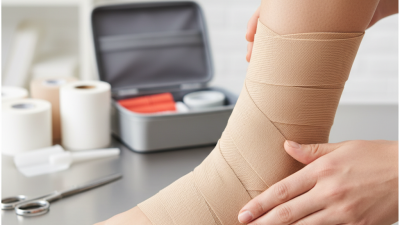
Location matters as well. Taping on joints or areas with high movement demands flexible alternatives. These materials ensure that the tape adheres while allowing for mobility. Data from the Journal of Wound Care highlights that proper tape selection can reduce recovery time by up to 30%. However, using a tape unsuitable for the skin type can lead to irritation or delayed healing.
Duration is another key factor. For long-term applications, hypoallergenic and breathable tapes are essential. A 2022 study revealed that inadequate tape adherence can increase the risk of infection in chronic wounds. Evaluating how long the tape needs to be in place helps in picking the best-suited option. Balancing these elements—wound type, location, and duration—ensures optimal healing without compromising skin integrity.
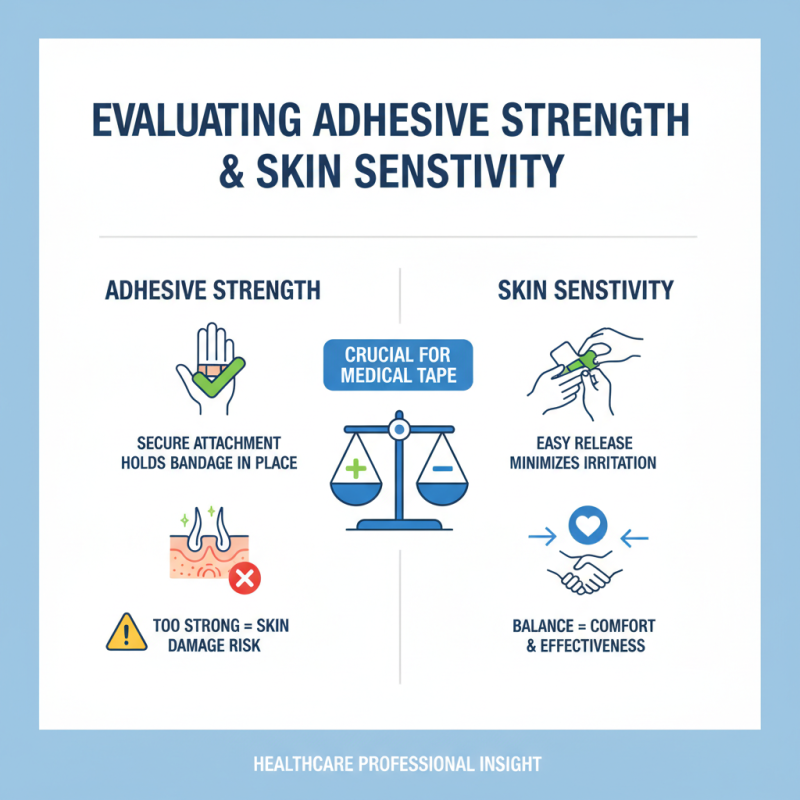
Evaluating Adhesive Strength and Skin Sensitivity
When selecting medical tape, evaluating adhesive strength is crucial. The right adhesive attaches securely but should also release easily. Strong adhesives can hold a bandage in place, yet they can irritate the skin. A balance is essential for comfort and effectiveness. Healthcare professionals often emphasize this aspect, noting the risk of skin damage with overly strong tapes.
Skin sensitivity plays a significant role in decision-making. Not everyone has the same tolerance for adhesive materials. Some individuals experience allergic reactions or skin irritation. It’s wise to test a small area before full application. Gentle tapes may not provide the hold needed for certain situations, but they reduce the risk of skin reactions. It's a dilemma many face when choosing the best tape.
In practice, the ideal tape choice is not always straightforward. Factors such as the location of the wound and patient mobility come into play. The challenge lies in finding a tape that meets practical needs without sacrificing comfort. Often, trial and error is required. Reflection on patient feedback can guide future choices. Understanding these variables enhances the overall healing experience.
Considering Breathability and Moisture Management Features
When selecting medical tape, breathability and moisture management are crucial factors. The skin needs to breathe, especially when dealing with wounds. Tapes that allow air circulation can prevent maceration and promote healing. It's important to look for films or adhesive materials that facilitate this.
Moisture management is equally important. Tapes that can't handle moisture will lead to skin irritation. For active people, this is a real concern. Sweat can accumulate under non-breathable tapes, leading to discomfort and skin issues. Consider how the tape will perform in different environments—humidity, water exposure, or intense physical activity.
Not all tapes are designed with these features in mind. Some might be great for short-term use but lack durability. Others may stick too well, making removal painful. Finding a balance is essential. Testing a few options can provide insights into what feels right. Each person's skin is different, and what works wonders for one may not suit another.
Analyzing Cost and Availability of Medical Tape Options
When selecting medical tape, cost and availability are key factors. Prices can vary significantly based on type and size. Some medical tapes are affordable and easily found. Others may come at a premium price due to specific features. For instance, hypoallergenic options typically cost more but are essential for sensitive skin.
Availability is another critical aspect. Certain types of medical tape are readily available in local pharmacies. Others may require special orders online. A lack of accessibility can delay treatment. It is essential to know which products are in stock. Checking multiple suppliers may provide better options.
Consider your specific needs when choosing medical tape. Do you require a strong adhesive or a breathable material? Higher costs don’t always guarantee better quality. Researching user reviews can offer insights. Finding a balance between cost and performance is vital. Always factor in the potential need for different types. This complexity can lead to trial and error, which can be frustrating for users.
Comparison of Medical Tape Types