What Are the Top Hinged Brace Types in 2026?
In 2026, choosing a Hinged Brace still starts with the job it must do, not the label on the box. Most designs use side hinges to guide knee movement and provide support. Their construction, fit, and intended use can differ considerably. Understanding those differences helps patients and clinicians compare options more carefully.
Functional hinged braces are commonly designed to support a knee affected by ligament instability. Prophylactic models aim to reduce the risk of certain sports-related injuries, though they cannot prevent every injury. Rehabilitative braces often include adjustable motion stops. These can limit bending or straightening during recovery, when advised by a healthcare professional. Unloader braces use a different approach. Their frame can shift pressure away from a targeted area of the knee, which may suit some people with compartmental osteoarthritis. The categories can overlap. That is confusing, and product names do not always explain the difference.
A useful comparison looks beyond appearance. Check the hinge placement, strap layout, adjustment range, materials, and sizing instructions. A brace that slips during a walk or pinches behind the knee may not provide a practical fit. Activity matters too: a model for post-injury support may feel restrictive during everyday use. Evidence and recommendations vary by condition, so no single design is best for everyone. This guide examines leading hinged brace types, their typical uses, and the details worth checking before a choice. Fit is not a small detail. It can change the experience.
How Hinged Braces Support Joints While Preserving Movement
Hinged braces use side joints or support bars to help guide movement around a limb. Common types include knee, elbow, and ankle braces. Their hinges can limit certain movements while allowing others, depending on the design and how it is adjusted. That matters. A knee brace, for example, may help control bending after an injury, while an elbow brace can restrict extension without holding the arm completely still. An ankle version may support side-to-side stability while permitting a normal walking motion.
The goal is support, not a rigid lock. A well-fitted brace should sit comfortably, with its hinge aligned near the joint’s natural pivot. If it shifts, pinches, or rubs, it may not guide movement as intended. Fit is rarely perfect on the first try. Straps may need adjustment, and swelling can change how the brace feels during the day. Hinged designs also differ in how much motion they allow, so the right choice depends on the joint, activity, and recovery needs. A clinician can help assess fit and settings; discomfort or worsening symptoms deserves attention. A hinge helps guide motion. It cannot make a joint invulnerable.
Top Hinged Brace Types in 2026: Supporting Joints While Preserving Movement
How to read this chart: The bars show the principal movement axes of each joint—not brace performance or a prescribed range of motion. Hinged knee, elbow, and ankle braces commonly guide movement along one primary axis; wrist movement commonly occurs along two. Hinge design and settings vary, and a brace may restrict motion as needed.
The Main Types of Hinged Knee Braces and Their Uses
Hinged knee braces are not one-size-fits-all. Their side supports help guide knee movement, but the right design depends on the person’s needs and the advice of a qualified clinician.
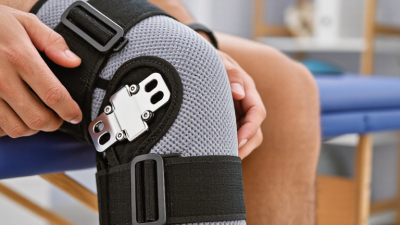
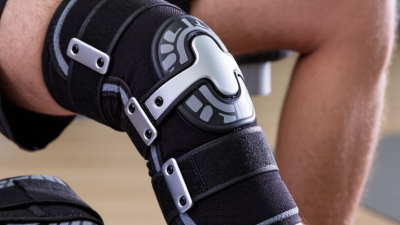
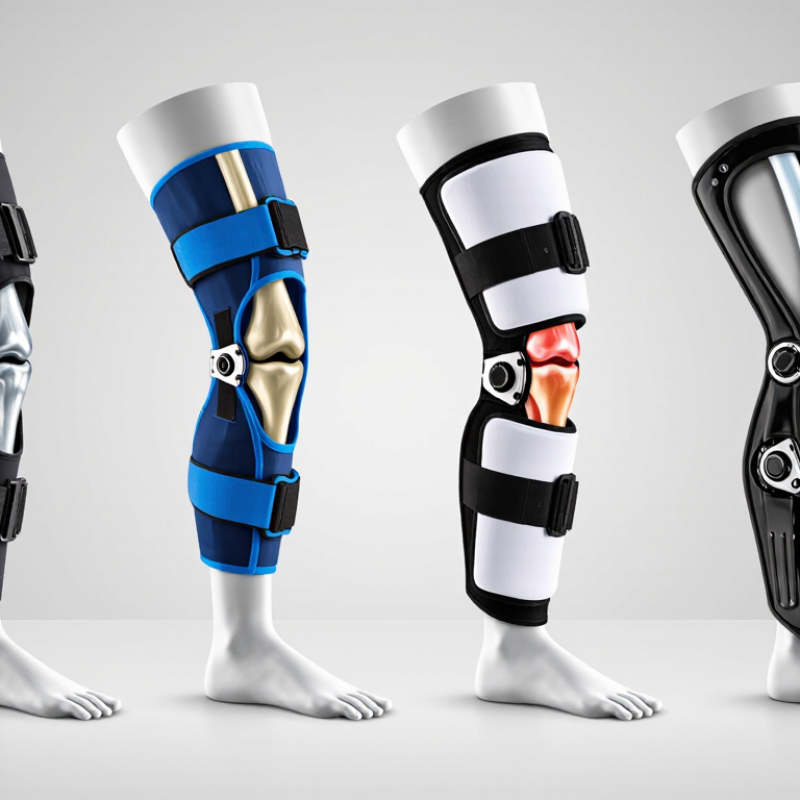
A single-hinge brace has a support on each side of the knee, often with a simple pivot. It may suit mild support needs during walking or everyday activity. Dual-hinge designs use sturdier side bars and may offer more support when the knee feels unstable. Fit matters: a brace that slides down the leg can rub behind the knee and provide little useful control. Small detail, big difference.
Wraparound hinged braces open at the front, making them easier to put on when bending the knee is uncomfortable. Adjustable range-of-motion braces add stops that limit how far the knee bends or straightens; clinicians may use them during recovery when movement needs close control. Unloader braces are a more specialized option. Their angled frame can shift some pressure away from one side of the knee, but they need careful fitting. The categories can overlap, and product labels are not always clear. A brace should feel secure, not painfully tight, and new swelling or numbness deserves professional attention.
Hinged Braces for Elbows, Ankles, and Other Joints
What Are the Top Hinged Brace Types in 2026?
Hinged braces support movement while limiting motion that may stress an injured joint. For elbows, adjustable hinges can help control bending after certain injuries or surgery. A clinician sets the permitted range; the brace should not replace a rehabilitation plan. Knee braces are another common hinged type, often used to guide movement and provide stability during recovery.
For ankles, hinged or stirrup-style braces can restrict excessive side-to-side rolling while allowing some forward movement. Research supports ankle bracing in sport, though results do not prove every hinged design works equally well. A 2011 Journal of Athletic Training study of high-school basketball players reported ankle injury rates of 0.47 versus 1.41 per 1,000 athlete-exposures among braced and unbraced players. The study examined lace-up braces, not hinged models. Wrist and thumb supports are often splinted rather than hinged, so the right design depends on the joint and diagnosis. Fit matters.
Tips: Check that hinges sit level with the joint, and follow professional fitting advice. Test the brace while seated, then walking. Too much pressure can cause numbness, rubbing, or skin marks. No brace is perfect; comfort and movement can change during recovery. If symptoms worsen, seek clinical guidance.
How Hinge Design and Materials Affect Brace Performance in 2026
Hinge design can change how a brace moves, feels, and holds its position. A single-axis hinge guides bending along one path, while adjustable stops can limit motion during recovery or activity. These settings should match a clinician’s plan; a stop set too loosely may offer little control, while one set too tightly can feel restrictive. Small details matter. Check that the hinge sits beside the joint rather than above or below it. Misalignment can cause rubbing, pressure, or unwanted movement.
Materials shape the trade-offs. Aluminum frames are light and rigid, while reinforced polymer designs may feel less cold against the skin. Fabric straps add comfort, but stretched or damp straps can reduce stability. Look for smooth hinge edges, secure fasteners, and padding that does not bunch when the joint bends. Sweat and repeated cleaning can also affect materials over time. A lighter brace is not automatically better; sometimes its frame flexes more than expected. Fit, adjustment range, and the wearer’s daily tasks all matter. A useful choice is one that stays aligned during ordinary movement and can be checked or adjusted by a qualified professional.
How to Choose a Hinged Brace for an Injury, Activity, and Fit
Choosing a hinged brace starts with the problem it needs to address, not its appearance. A functional brace may support a knee after a ligament injury, while a rehabilitative brace can limit bending during recovery. Prophylactic designs are intended to reduce risk during certain contact sports, but they cannot prevent every injury. An unloader brace may be considered for some people with knee arthritis. The right type depends on a clinician’s assessment.
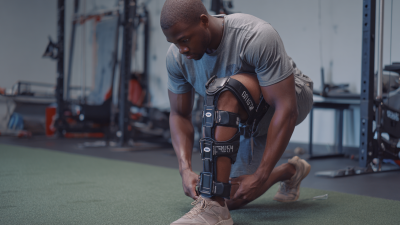
Match the brace to your activity. For walking on level ground, a lighter design may feel less cumbersome; court sports may demand more stability and secure straps. Check the hinge position against your knee joint, then walk, sit, and bend gently. Fit matters. The brace should feel snug, not painful, and should not cause numbness, skin discoloration, or slipping. Not tighter.
Try it with the clothing you normally wear during activity. Swelling can change fit through the day, so reassess after movement. A brace that rubs behind the knee may become hard to tolerate, even if it feels supportive at first. That detail is easy to miss. Ask a physical therapist or other qualified clinician to confirm sizing and safe use, especially after surgery, a significant injury, or worsening pain.