Leave Your Message

China Best Knee Stabilizer for Pain Relief and Support?

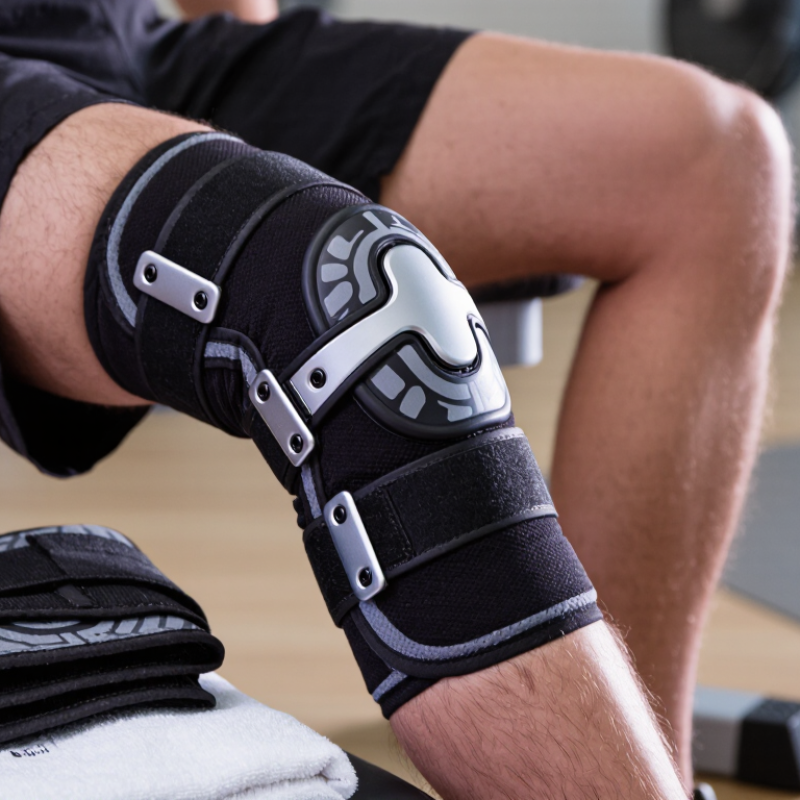
Choosing the China best Knee Stabilizer for pain relief and support requires more than comparing prices or attractive product photos. A suitable brace should match the user’s injury, activity level, knee shape, and medical advice. A runner may need controlled compression and patellar guidance. Someone recovering from ligament strain may require stronger side supports. Fit matters greatly. A brace that slides during stairs cannot provide dependable support.

Orthopedic surgeon Dr. Nicholas DiNubile often emphasizes, “Motion is lotion.” This idea reflects an important clinical principle: safe movement can support strength, circulation, and joint function. However, movement should not increase swelling, sharp pain, numbness, or instability. A Knee Stabilizer is not a cure, and it should never replace professional diagnosis. A physiotherapist or orthopedic clinician can assess alignment, ligament stability, skin sensitivity, and the correct support level.

Reliable manufacturers should explain materials, sizing measurements, hinge design, washing instructions, and quality-control procedures. Look for breathable fabric, smooth seams, and firm but comfortable compression. Check the brace after ten minutes of walking. Does it pinch behind the knee? Does it leave deep marks? Is the kneecap centered? Small details matter.

There is no universal “best” model. That claim is too simple. A careful comparison should consider user feedback, medical evidence, warranty support, and transparent product testing. Some product descriptions remain vague, and that deserves skepticism. The strongest choice is the Knee Stabilizer that supports movement without creating new discomfort. When pain persists, swelling worsens, or the knee gives way, professional care should come first.
China Best Knee Stabilizer for Pain Relief and Support?

Knee Stabilizer Basics: Types, Uses, and WHO’s 528 Million OA Cases

China Best Knee Stabilizer for Pain Relief and Support?

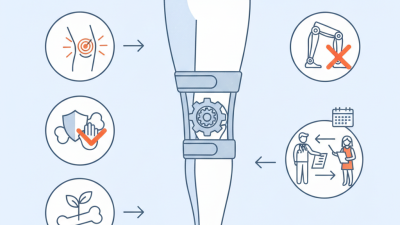
Knee stabilizers vary by purpose. Compression sleeves provide light support and warmth during walking. Patellar straps may reduce discomfort around the kneecap. Hinged braces offer stronger side-to-side control after ligament injuries. The best choice depends on symptoms, diagnosis, activity, and fit. A loose brace slides down. A tight one can cause numbness or skin irritation. Measure around the knee, then follow the product’s sizing guide.

The need is substantial. The World Health Organization reports that 528 million people lived with osteoarthritis worldwide in 2019. About 60% of them had knee osteoarthritis, according to the WHO Osteoarthritis Fact Sheet, 2023. Pain can appear while climbing stairs, standing from a chair, or carrying groceries. The AAOS Clinical Practice Guideline for knee osteoarthritis states that braces may improve pain and function for some patients, although evidence quality varies. That caveat matters.

Comfort is not proof of healing.

A stabilizer should support movement, not replace assessment. Persistent swelling, locking, instability, or night pain deserves professional evaluation. In China’s humid summers, breathable fabric may improve daily wear, but moisture can still irritate skin. Remove the brace after activity and check for redness. One practical mistake is choosing maximum support too early. It may restrict normal movement and weaken confidence. A clinician or trained fitter can help match support level, activity, and knee condition.
How to Match Brace Support to OA, Injury, Patellar Tracking, and Activity

China Best Knee Stabilizer for Pain Relief and Support?

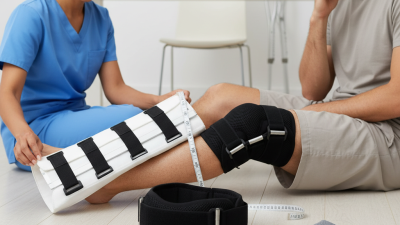
Choosing a knee stabilizer should begin with the problem, not the product label. The World Health Organization reported that 528 million people lived with osteoarthritis globally in 2019. For mild knee OA, a sleeve may provide warmth, compression, and proprioceptive feedback. Unloader braces can redirect pressure from a painful compartment, but clinical fitting matters. They are not suitable for everyone.

After an injury, stability needs differ. A hinged brace may support recovery after ligament strain, while a softer sleeve may suit minor swelling. Patellar tracking problems often need gentle lateral guidance, not rigid immobilization. Evidence remains mixed. A systematic review in the Journal of Orthopaedic & Sports Physical Therapy found that patellofemoral bracing can reduce pain for some patients, but results vary. Activity also changes the choice. Walking, cycling, and gym training place different demands on the knee.

Tips: Measure the thigh and calf according to the fitting guide. Check for numbness, skin marks, or slipping after ten minutes. Begin with short wear periods. A brace should support movement, not replace rehabilitation. Pain that increases, locks, or follows major trauma deserves professional assessment. The “best” stabilizer may still be the wrong one if it restricts normal motion. I have found fit harder than theory, especially when swelling changes during the day. Recheck sizing in the evening.

China Best Knee Stabilizer for Pain Relief and Support? — How to Match Brace Support to OA, Injury, Patellar Tracking, and Activity
Knee Situation Typical Symptoms or Goal Brace Style to Consider Support Level Useful Design Features Activity Fit Important Matching and Safety Notes
Mild knee osteoarthritis Achiness, stiffness, or mild swelling during walking, stairs, or prolonged standing. Elastic compression sleeve or a light-support OA brace. Low to moderate Breathable stretch fabric, contoured fit, non-slip edging, and comfortable compression. Daily walking, light exercise, work, and travel. A sleeve may improve comfort and confidence but does not correct joint damage. It should not cause numbness, color change, or increased swelling.
Medial or lateral compartment OA Pain is concentrated on one side of the knee, often worse with weight-bearing. Unloading brace designed to shift pressure away from the affected compartment. Moderate to high Rigid or semi-rigid frame, adjustable straps, hinge, and valgus or varus unloading mechanism. Walking, standing, low-impact exercise, and selected sports. Best selected with clinical guidance. Correct compartment, alignment, and brace adjustment are essential; an unloading brace may feel bulky or require a break-in period.
Patellar tracking problems Front-of-knee pain, a feeling of the kneecap moving sideways, or discomfort on stairs and squats. Patellar-stabilizing sleeve or brace with a tracking buttress. Low to moderate Medial or lateral buttress, patellar ring, adjustable straps, and a secure opening around the kneecap. Walking, cycling, gym exercises, and controlled court activities. The buttress must sit beside—not directly on—the kneecap. Bracing is usually an adjunct to quadriceps, hip, and movement-control exercises.
Previous patellar dislocation or instability Apprehension, giving-way sensations, or concern about the kneecap shifting during movement. Patellar-stabilizing brace with stronger lateral restraint; clinician assessment may be needed. Moderate Firm lateral buttress, adjustable cross-straps, anti-migration material, and a well-defined patellar opening. Rehabilitation, walking, and gradual return to activity. Brace choice depends on the direction and cause of instability. Recurrent dislocation, significant swelling, or inability to bear weight requires medical evaluation.
Ligament sprain or post-injury instability Instability after an MCL, LCL, ACL, or other knee injury; pain may increase with twisting or side-to-side movement. Hinged knee brace, with the level of rigidity matched to the injury and recovery stage. Moderate to high Medial and lateral hinges, adjustable straps, rigid side supports, and controlled range-of-motion settings when prescribed. Rehabilitation and selected activities under professional guidance. A brace cannot replace diagnosis or rehabilitation. After acute trauma, marked swelling, locking, deformity, or inability to bear weight, seek prompt clinical care.
Meniscus-related symptoms Joint-line pain, catching, or discomfort with twisting, squatting, or deep flexion. Light compression sleeve for comfort; a hinged brace only when instability is also present and assessed. Low to moderate Comfortable compression, flexible side support, low-profile construction, and freedom for bending. Walking and low-impact activity; avoid painful twisting. A brace does not repair a meniscal tear. Locking, repeated catching, or persistent joint-line pain should be assessed by a healthcare professional.
Sports requiring cutting or pivoting Need for external support during basketball, soccer, tennis, skiing, or similar activities. Sport-specific hinged brace only when appropriate for the diagnosed condition. Moderate to high Low-profile hinges, secure straps, sweat-resistant lining, anti-slip construction, and unrestricted safe movement. Pivoting sports after adequate rehabilitation and clearance. More support is not always better. The brace must not restrict circulation, alter movement excessively, or create new pressure points.
Low-impact exercise and daily mobility Desire for comfort, warmth, proprioceptive feedback, or mild support during walking, cycling, or exercise. Flexible compression sleeve or light patellar-support sleeve. Low Moisture-wicking fabric, seamless edges, breathable knit, and a fit that stays in place without excessive tightness. Walking, cycling, swimming, yoga, and strength training with proper technique. Choose comfort and mobility over maximum rigidity. Stop use if pain worsens or circulation symptoms appear.
Post-operative or fracture recovery Need to protect healing tissues or control motion after surgery or a fracture. Prescribed immobilizer or adjustable range-of-motion brace. High Clinician-set motion limits, rigid support, secure closures, and room for dressing or swelling changes. Only according to the surgeon’s or physiotherapist’s plan. Do not substitute an off-the-shelf stabilizer for a prescribed brace. Follow instructions for wear time, skin checks, weight-bearing, and rehabilitation.

General fitting guidance: Measure the knee according to the manufacturer’s instructions, place the brace on the correct side, and check that it stays positioned during movement without causing numbness, tingling, unusual coldness, skin damage, or increased swelling. A knee stabilizer can support comfort and function, but it does not diagnose or treat the underlying cause of pain.

China Product Standards: Materials, Fit, ISO 13485, and Safety Testing

A reliable knee stabilizer should begin with material evidence, not attractive packaging. The World Health Organization reports that musculoskeletal conditions affect about 1.71 billion people worldwide. For daily knee discomfort, breathable nylon, controlled elasticity, and skin-friendly lining can improve comfort. However, “medical-grade” wording needs proof. It should not replace test records.

Fit is equally important. A brace that slides during stairs cannot provide consistent support. Suppliers should measure calf and thigh ranges, document compression levels, and test hook-and-loop closures repeatedly. China-focused buyers should request applicable GB/T 16886 biocompatibility evaluations for skin-contact materials. Textile components may also require relevant safety testing under Chinese textile standards. Small details matter. Seams can rub.

ISO 13485 demonstrates a medical-device quality management system. It does not automatically prove pain relief or perfect sizing. ISO’s 2023 survey reported more than 30,000 ISO 13485 certificates worldwide, showing broad adoption, but certification still requires verification. Ask for batch traceability, risk-management files, tensile testing, closure fatigue results, and labeling controls. Safety checks should address skin irritation, material contamination, stitching strength, and restricted substances. Product classification and registration requirements may vary with intended claims in China. That part is easy to overlook. Even experienced purchasers should review independent test reports, because supplier documents can be incomplete or outdated.

Clinical Evidence: ACR/AF 2019 Guidance on Knee Bracing for OA

China Best Knee Stabilizer for Pain Relief and Support?

For knee osteoarthritis, the 2019 ACR/AF guidance offers a careful answer. It conditionally recommends tibiofemoral knee bracing for selected patients. This is not a universal endorsement of every knee stabilizer. The recommendation reflects modest, varied evidence and the need for individual assessment.

A well-fitted brace may reduce painful loading during walking, stair use, or prolonged standing. It can feel supportive around the knee joint. However, comfort and alignment matter greatly. A brace that slips, pinches, or causes numbness may reduce movement instead of supporting it.

Check the skin after use, especially near the hinges and straps. Begin with short periods and increase wear gradually.

The guideline does not replace exercise, weight management, or clinical advice. Strengthening the quadriceps and improving daily movement remain important parts of OA care. Patellofemoral symptoms may require a different approach, and bracing evidence is less certain there. The evidence is useful, but not tidy. Pain relief can be real, yet results differ between patients. A clinician should assess joint alignment, swelling, stability, and walking pattern before recommending a brace. Even then, the best choice may require adjustment.

Comparing China’s Best Knee Stabilizers: Support, Comfort, Safety, and Value

When people ask for China’s best knee stabilizer, I avoid naming one universal winner. The right choice depends on the injury, activity, and required support level. A careful comparison should examine support, comfort, safety, and value together. Mild patellar discomfort may need a light compression sleeve. Ligament instability often requires side hinges or adjustable straps. Too much support can restrict movement and create new discomfort.

Fit is critical. Measure the thigh and calf according to the maker’s instructions, not by guesswork. The brace should feel secure without causing numbness, swelling, or skin discoloration. Check it after climbing stairs and sitting for thirty minutes. Breathable fabric helps reduce sweat, while soft edges prevent rubbing behind the knee. Silicone strips can improve grip, but they may irritate sensitive skin. Pain is not proof of stability.

Value involves more than the purchase price. Inspect stitching, hinge movement, strap strength, and washing instructions. A cheaper brace may lose elasticity quickly and become wasteful. Independent safety testing and clear sizing information improve trust, although product claims still deserve careful review. Manufacturing quality can vary between suppliers, even within the same market. I would question promises of instant recovery. A brace can support movement, but it cannot replace diagnosis or rehabilitation. Stop using it if pain increases, circulation feels reduced, or the knee locks. A clinician should assess persistent swelling, instability, or pain after an injury.

China Best Knee Stabilizer for Pain Relief and Support?

Comparing Knee Stabilizer Types: Support, Comfort, Safety, and Value

This brand-neutral comparison uses a 1–5 category index based on typical knee-support designs: higher scores indicate stronger expected performance for the selected criterion. Compression sleeves and patellar straps generally prioritize comfort and affordability, while hinged and unloader braces provide greater mechanical support but may be heavier, more restrictive, and more expensive. Individual results depend on fit, sizing, injury type, and professional medical advice.