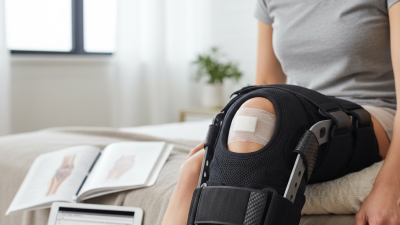
Why Choose a Knee Splint for Faster Recovery?
Recovering from a knee injury can be challenging. Choosing the right support is crucial. Dr. Emily Chen, a renowned orthopedic specialist, states, "A knee splint can significantly enhance healing by providing stability." This expert insight highlights the importance of proper support during recovery.
Knee splints offer essential immobilization. They can reduce pain and swelling, giving athletes and active individuals a better chance to recover swiftly. The structure of a knee splint stabilizes the joint. This helps prevent further injury, allowing for focused healing.
Many overlook the benefits of using a knee splint. Some believe rest alone suffices. However, a knee splint aids in maintaining alignment and support. In recovery, the right tools can make a difference. Choosing a knee splint is not just about support; it represents a proactive approach to healing. There is always room for improvements in recovery methods, and understanding this can lead to better outcomes.

Benefits of Using a Knee Splint for Injury Recovery
A knee splint can be a game-changer for injury recovery. It provides stability and support to a healing knee. Many people underestimate the importance of immobilization during recovery. A knee splint prevents excessive movement, allowing damaged tissues to mend effectively. This controlled environment can lead to faster healing.
Moreover, using a knee splint helps reduce pain and swelling. By limiting movement, pressure is taken off injured ligaments and tendons. This can significantly enhance comfort levels during daily activities. The added support encourages better alignment, which is crucial for recovery. A well-fitted splint can also be a constant reminder to rest and allow the body to heal.
Some might find wearing a knee splint uncomfortable. It can feel bulky and restrictive. This discomfort may lead to impatience in recovery. However, the short-term inconvenience is often worth the benefit. With proper use, a knee splint can promote a more expedited return to normal activities. It is important to listen to your body and consult a healthcare professional for the best recovery plan.
How Knee Splints Support Proper Joint Alignment
Knee splints provide essential support for proper joint alignment. They stabilize the knee, reducing stress on ligaments and tendons. This alignment promotes healing and can enhance recovery speed. Many people overlook the importance of proper alignment in joint health, often resulting in prolonged discomfort.
When using a knee splint, it’s crucial to fit it correctly. An improperly fitted splint may cause more harm than good. It can lead to misalignment or pressure sores. Take the time to adjust the splint for your unique knee shape.
Tips to remember:
- Always consult with a healthcare provider before using a splint.
- Keep the splint clean and dry to prevent skin issues.
- Adjust the splint throughout the day as needed, especially if you feel discomfort.
- Prioritize consistent use for the best results.
Types of Knee Splints and Their Specific Uses
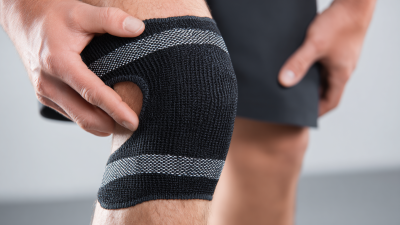
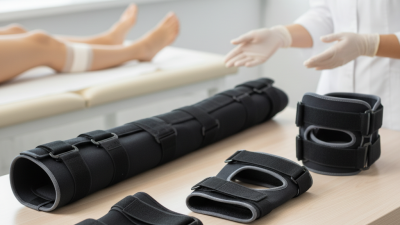
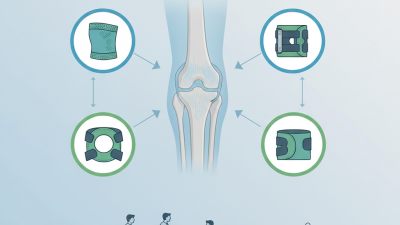
When dealing with knee injuries, choosing the right splint is crucial. Different types of knee splints serve specific needs. For example, a functional splint offers support while allowing movement. This is ideal for athletes recovering from mild ligament strains, as reported by the National Athletic Trainers' Association.
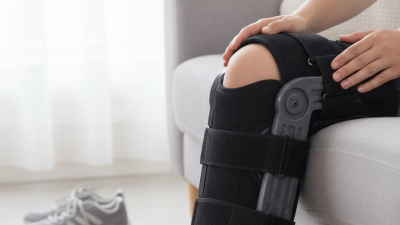
Another common type is the hinged splint. It stabilizes the knee while providing controlled motion. This helps patients regain strength and mobility after surgeries. According to a study published in the Journal of Orthopedic Research, using hinged splints can reduce recovery time by up to 30%.
Tips: Always consult a healthcare professional before selecting a splint. It's essential to choose a type that fits your specific condition. Moreover, maintaining proper hygiene and regularly checking for discomfort are vital during recovery. Understanding each splint's unique purpose could significantly impact your healing journey.
Tips for Choosing the Right Knee Splint for Your Needs
Choosing the right knee splint can significantly impact your recovery process. Look for splints that provide adequate support while allowing some mobility. It's essential to ensure that the splint fits well and does not restrict blood flow. Measure your knee accurately, and consider both the size and design.
When examining options, think about the material. Breathable fabrics can prevent skin irritation during extended wear. Some splints feature adjustable straps, which can enhance comfort and stability. However, not all adjustable splints meet every need, so evaluate their effectiveness before purchasing.
Personal experience varies, and what works for one person may not suit another. Consult a healthcare professional if you're unsure about your choice. They can guide you based on your specific injury and recovery goals.
Reflecting on feedback from others can help, but it's essential to prioritize your own comfort in the decision-making process.
Care and Maintenance of Knee Splints for Longevity
Knee splints are essential tools for recovery, but maintaining them is crucial. Regular care extends their life. Always inspect your splint for wear and tear. If you notice any damage, replace it promptly. This habit can prevent further injury and ensure optimal support during healing.
Cleaning your splint is just as important. Use a damp cloth to wipe away dirt and sweat. Pay attention to Velcro straps, as they can attract lint. Proper hygiene helps maintain comfort and effectiveness. Allow the splint to air dry completely to avoid mold or unpleasant odors.
Store the splint in a cool, dry place. Avoid folding or cramming it into tight spaces. This prevents structural damage. Reflect on your usage patterns too. If you’re wearing it incorrectly, re-evaluate your approach. Proper care not only prolongs the splint's life but also aids in your recovery journey.