Why is Medical Tape Essential for Wound Care and First Aid?
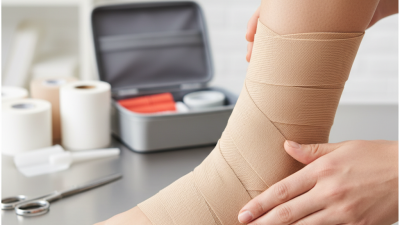
Medical tape is a vital component in wound care and first aid. Its importance cannot be overstated. Proper application of medical tape ensures that dressings remain secure and that wounds heal effectively. This versatile tape is designed to adhere firmly yet gently to the skin, minimizing discomfort for patients.
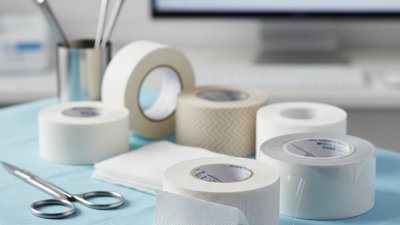
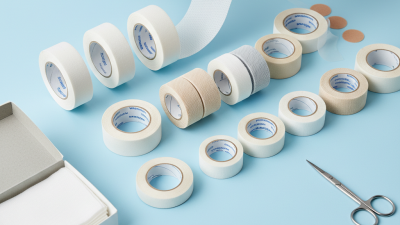
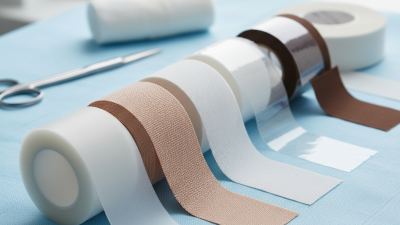
Different types of medical tape serve various needs. For instance, hypoallergenic tape is ideal for sensitive skin. Some tapes are waterproof, allowing for use in moist environments. This adaptability underscores the significance of choosing the right medical tape for specific situations.
Despite its many benefits, there are challenges in using medical tape. Inadequate application can lead to complications, such as skin irritation. Users must be aware of potential issues and learn to apply tape skillfully. Understanding the role of medical tape in wound care can enhance overall treatment outcomes.
Role of Medical Tape in Wound Care and First Aid
Medical tape plays a vital role in wound care and first aid. Its primary purpose is to secure dressings and bandages. This ensures that wounds are protected from dirt and bacteria. According to a 2022 report from the Journal of Wound Care, effective wound care can reduce infection rates by up to 40%. Properly used medical tape can help facilitate this.
Different types of medical tape are tailored for specific needs. Some tapes are waterproof, while others are hypoallergenic. For example, waterproof tape is essential for injuries exposed to water. Hypoallergenic tape is crucial for sensitive skin, minimizing irritation. A study published in the American Journal of Emergency Medicine found that 30% of patients report skin reactions to certain types of tapes, indicating the need for careful selection.
Despite its benefits, medical tape can sometimes cause issues. Tapes may not adhere properly if the skin is oily or sweaty. Additionally, some patients may experience pain when removing tape. It’s important to consider these factors when using medical tape in first aid situations. Training and guidance can enhance its effectiveness in wound care, ensuring a better healing process.
Importance of Medical Tape in Wound Care
Types of Medical Tape and Their Specific Uses
When it comes to wound care, medical tape plays a vital role. Understanding its different types can enhance your first aid strategies. Each type has unique features tailored to specific needs.
Adhesive tape is commonly used for securing dressings. It provides a strong hold but can irritate sensitive skin. Use it sparingly on delicate areas. Another option is hypoallergenic tape. It’s designed for those with allergies and is gentler on the skin. Surgical tape is more robust and often used in hospitals. It offers high adhesion, making it suitable for larger dressings.
**Tip:** Always test a small area of skin when using a new type of tape. This can help avoid allergies or skin breaking. Keep in mind that while medical tape is essential, it should not be applied tightly. Loose application allows for better circulation.
Cohesive bandages are also worth mentioning. They stick to themselves, making them easy to apply and remove. They provide support without sticking to the skin, reducing discomfort. However, they may not be as effective in wet conditions.
**Tip:** Store medical tape in a cool, dry place. This ensures the adhesive remains effective. Regularly check your first aid kit to replace expired or worn-out supplies.
Why is Medical Tape Essential for Wound Care and First Aid?
| Type of Medical Tape |
Material |
Uses |
Benefits |
| Paper Tape |
Paper |
Secure lightweight dressings |
Gentle on skin, easy to remove |
| Cotton Tape |
Cotton fabric |
Secure bulky dressings |
Strong adhesion, flexible |
| Silicone Tape |
Silicone |
Gentle fixation of dressings |
Gentle on skin, reusable |
| Elastic Tape |
Elastic material |
Support for sprains and strains |
Allows movement while providing support |
| Hydrocolloid Tape |
Gel-based |
For chronic wounds |
Maintains moisture, promotes healing |
Benefits of Medical Tape in Securing Dressings
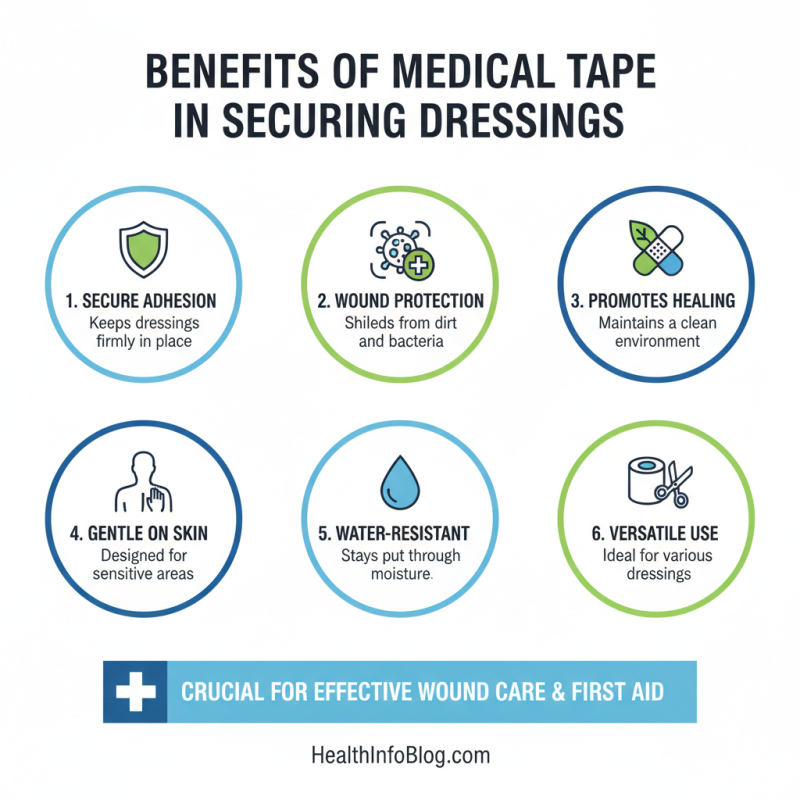
Medical tape plays a crucial role in wound care and first aid. Its adhesive quality ensures that dressings remain securely in place. This is vital for protecting a wound from dirt and bacteria. The right medical tape can also promote healing by keeping the dressing intact. Delicate skin can suffer from regular tape, but medical tape is designed to be gentle.
Different types of medical tape each have their own benefits. Some are waterproof, making them ideal for situations where exposure to water is a concern. Others are breathable, allowing moisture to escape and reducing the risk of infection. Each type has its specific use, depending on the situation.
Even with various options, choosing the right tape can be tricky. A tape that sticks too well may injure the skin upon removal. Conversely, a weak adhesive may fail to keep a dressing in place. It's essential to understand the context of use. This understanding can improve the effectiveness of wound care significantly. Be mindful of the specific needs of each wound and patient for optimal care.
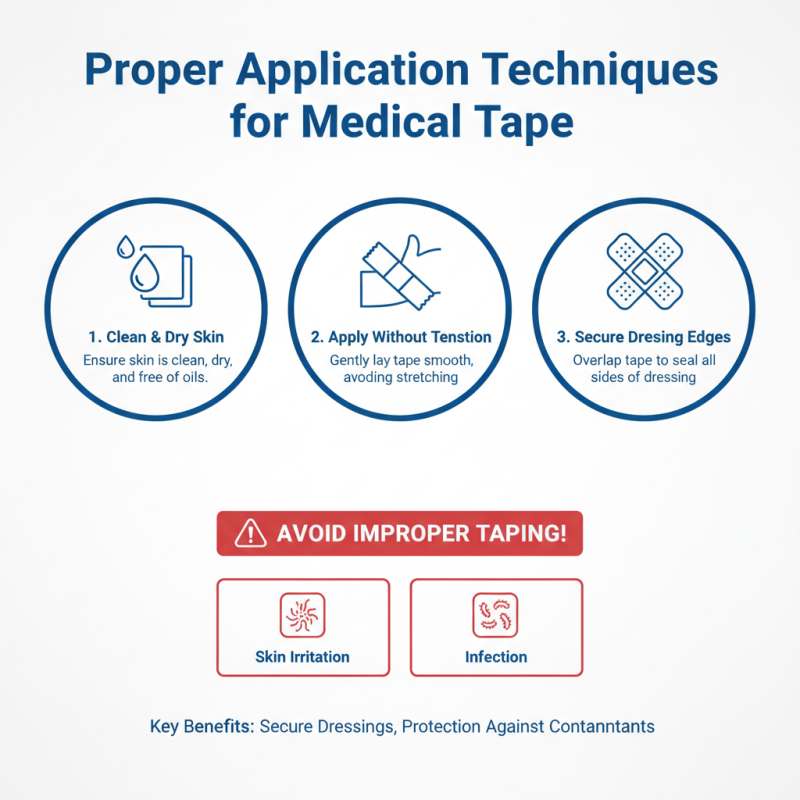
Proper Application Techniques for Medical Tape
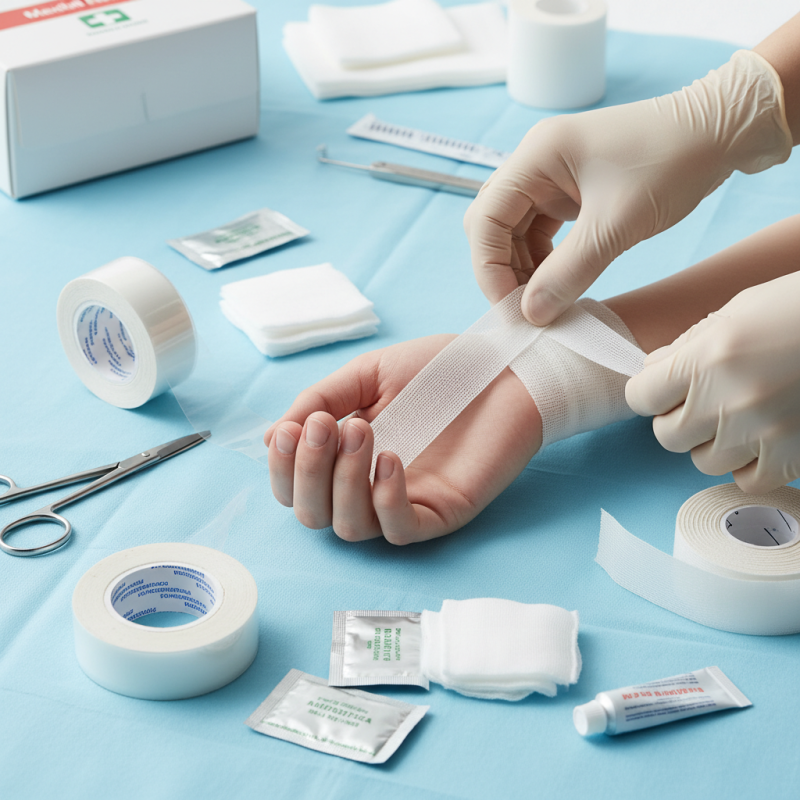
Medical tape plays a vital role in wound care and first aid. Proper application techniques are essential for achieving optimal results. Research indicates that improper taping could lead to complications such as skin irritation or infection. Accurate placement of the tape helps secure dressings, allowing for better protection against contaminants.
When applying medical tape, ensure the skin is clean and dry. This prevents the tape from losing its adhesive properties. Cut the tape to the appropriate length, avoiding excess that may cause wrinkling. Smooth down the edges to reduce lift and enhance adherence. Studies show that a well-adhered tape significantly lowers the risk of wound deterioration.
Tips: Remove any hair if necessary. This can improve adhesion and decrease discomfort during tape removal. Also, do not stretch the tape too much as this may cause skin irritation. For those with sensitive skin, consider using hypoallergenic options to minimize allergic reactions. Always assess the wound regularly; reevaluate the tape's condition and the wound healing progress.
Common Mistakes to Avoid When Using Medical Tape
When using medical tape for wound care, avoiding common mistakes is crucial. Many people underestimate the importance of choosing the right type of tape. Some tapes are designed for sensitive skin, while others are more robust. Not considering skin sensitivity can lead to irritation and delayed healing. A simple mistake like using too much tape can also restrict blood flow and hinder recovery.
Placement is another area where mistakes often occur. Positioning tape incorrectly can lead to gaps, allowing dirt and bacteria to enter the wound. This increases the risk of infection. It’s important to secure the tape tightly, but not too tight. Finding the right balance is essential. A tight grip can cause discomfort, especially for patients with fragile skin.
Additionally, neglecting to change the tape regularly can lead to complications. Old tape can harbor bacteria and must be replaced to promote healing. Staying attentive to the condition of the tape is vital. Taking time to learn best practices can make a significant difference. Effective wound care requires knowledge and a thoughtful approach.