How to Choose a Lumbar Back Brace in 2026?
Choosing a Lumbar Back Brace in 2026 requires more than comparing prices, colors, or online ratings. The right brace should match your symptoms, daily activities, body shape, and professional guidance. A warehouse worker may need firm support during lifting, while an office worker may prefer lighter compression. These needs are not interchangeable. Fit matters most.
This guide examines current brace designs, including adjustable belts, rigid panels, breathable fabrics, and posture-support features. It also explains how clinicians assess comfort, movement, pressure, and skin response. A reliable choice should support the lower back without creating numbness, restricted breathing, or excessive dependence. If pain travels down the leg, follows an injury, or worsens suddenly, medical assessment should come before shopping.
Real-world use can be less perfect than product descriptions suggest. A brace may feel supportive for twenty minutes, then become hot beneath a work shirt. A highly rigid model may improve confidence but limit natural movement. Not always. Even sizing charts can mislead when measurements are taken over thick clothing. For this reason, the discussion considers return policies, material durability, cleaning instructions, and advice from qualified healthcare professionals. It also questions common marketing claims instead of treating every “ergonomic” label as proven evidence. The goal is practical, cautious guidance, helping readers select a Lumbar Back Brace that fits their condition and routine without promising a quick cure.

What a Lumbar Back Brace Is and How It Supports the Lower Back
How to Choose a Lumbar Back Brace in 2026?
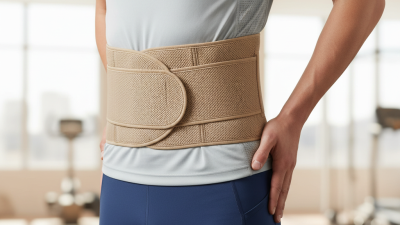
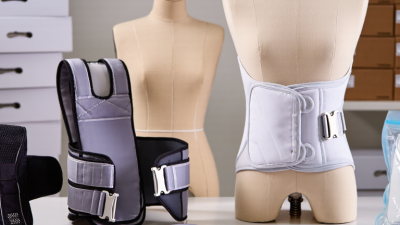
A lumbar back brace is an external support worn around the lower back and abdomen. It may provide gentle compression, warmth, and a reminder to maintain better posture. Some designs include flexible stays, while others use firmer panels to limit uncomfortable movement. The brace does not repair a disc or replace medical treatment. It supports the body during specific activities.
A suitable brace should match your condition, daily routine, and movement needs. Someone lifting boxes may prefer adjustable support and reinforced panels. Someone sitting at a desk may need lighter compression and breathable fabric. The lower edge should rest above the hips without pressing into the pelvis. It should feel secure, not restrictive.
Fit matters more than appearance.
Too much pressure can cause numbness, skin irritation, or shallow breathing. Too little support may provide no useful feedback. Check your skin after wearing it for a short period. The perfect fit is not always obvious. That is worth questioning.
Use a brace for a defined period, such as during activity, unless a qualified clinician advises otherwise. Physical therapy, strengthening, and movement habits often remain important. Seek professional assessment for leg weakness, loss of bladder control, fever, or sudden severe pain. These symptoms require more than external support.
How to Match Brace Types to Your Individual Support Needs
How to Choose a Lumbar Back Brace in 2026?
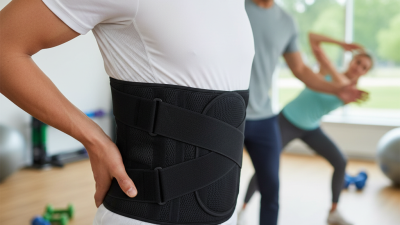
Choosing a lumbar brace should begin with your actual support needs, not its appearance. For mild fatigue, a flexible belt may provide gentle compression during desk work or short walks. A semi-rigid brace offers more control when movement causes discomfort. Rigid models may suit short-term medical support, but they should follow professional guidance.
More support is not always better. Excessive stiffness can reduce comfortable movement and encourage dependence.
Tips:
Check the fit while standing naturally. The brace should feel secure, not restrictive. Place it across the lower back and pelvis, without pressing sharply into the ribs. Walk, sit, and bend slightly before deciding.
If breathing feels limited, loosen it. If numbness, weakness, skin color changes, or worsening pain appears, remove it and seek medical advice.
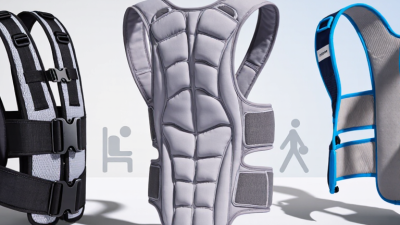
Material and adjustability also matter. Breathable fabric helps during warm commutes or light activity. Multiple adjustment zones can accommodate changing comfort throughout the day. People with broader waists may need wider panels for stable coverage.
Those recovering from an injury may require a clinician’s assessment before choosing any brace. A practical fitting rule is helpful, but it is not perfect. Your first choice may need revision after real use.
Record when discomfort appears, how long you wear the brace, and which movements remain difficult. Share those details with a qualified healthcare professional.
How to Check Fit, Comfort, Materials, and Adjustability
How to Choose a Lumbar Back Brace in 2026?
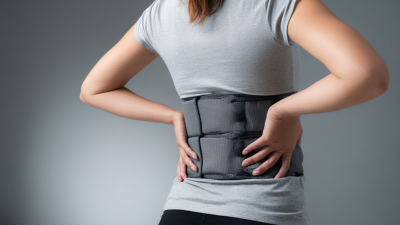
Choosing a lumbar back brace begins with fit, not appearance. Measure your waist at the point specified in the fitting instructions. Do not pull the tape tightly. A brace should feel supportive, never restrictive. Stand naturally. Then fasten it while wearing a thin shirt. The lower edge should cover the painful area without digging into your hips. Walk, sit, and bend slightly before deciding. A perfect fit while standing may fail at a desk.
Comfort depends heavily on materials. Breathable mesh can reduce heat during long wear. A soft inner lining may prevent rubbing around the ribs and waist. Flexible support stays often feel less rigid during movement. Check seams, edges, and hook-and-loop surfaces carefully. Rough stitching becomes noticeable after an hour. Red marks can reveal pressure. Mild impressions may fade quickly, but numbness or sharp pain needs attention. I once assumed tighter meant better support; that assumption deserves questioning.
Adjustability matters throughout the day. Look for separate tension panels or straps that can be tightened gradually. You may need less compression while sitting and more during light activity. Test every adjustment without removing the brace. Make sure the straps stay flat and do not twist. If the brace slides upward, its shape or size may be unsuitable. A healthcare professional can help when pain persists, spreads, or includes weakness. Stop using it if symptoms worsen. Personal comfort is useful evidence, but it is not a medical diagnosis.
How to Use, Maintain, and Reassess a Lumbar Back Brace Safely
Choosing a lumbar back brace in 2026 should begin with the reason you need support. A clinician or physiotherapist can assess pain, movement, strength, and medical history. Fit matters. Do not guess. The brace should feel firm, not restrictive, and should allow normal breathing and walking. Follow the fitting instructions carefully. Wear it during the activities recommended by your healthcare professional, rather than all day by default. Extended use may reduce confidence in your own trunk muscles.
Check your skin after removing the brace, especially around the hips and lower back. Redness that fades quickly may be harmless, but soreness, numbness, swelling, or lasting marks require attention. Keep the brace dry and clean it according to its care instructions. Avoid harsh chemicals, high heat, and rough drying, since these can weaken fabric or fasteners. Inspect seams, straps, panels, and closures each week. Small damage can change pressure unexpectedly.
Reassess the brace when symptoms change, work demands increase, or movement becomes easier. It may need adjustment, replacement, or less frequent use. Pain that travels down a leg, new weakness, loss of bladder or bowel control, fever, or pain after serious injury needs prompt medical assessment. A brace is supportive equipment, not a diagnosis or complete treatment. One easy mistake is judging success by comfort alone. Better measures include safer movement, improved function, and fewer symptoms over time. Keep a brief daily note. It may reveal patterns you otherwise miss.