Leave Your Message

How to Choose the Right Knee Splint?

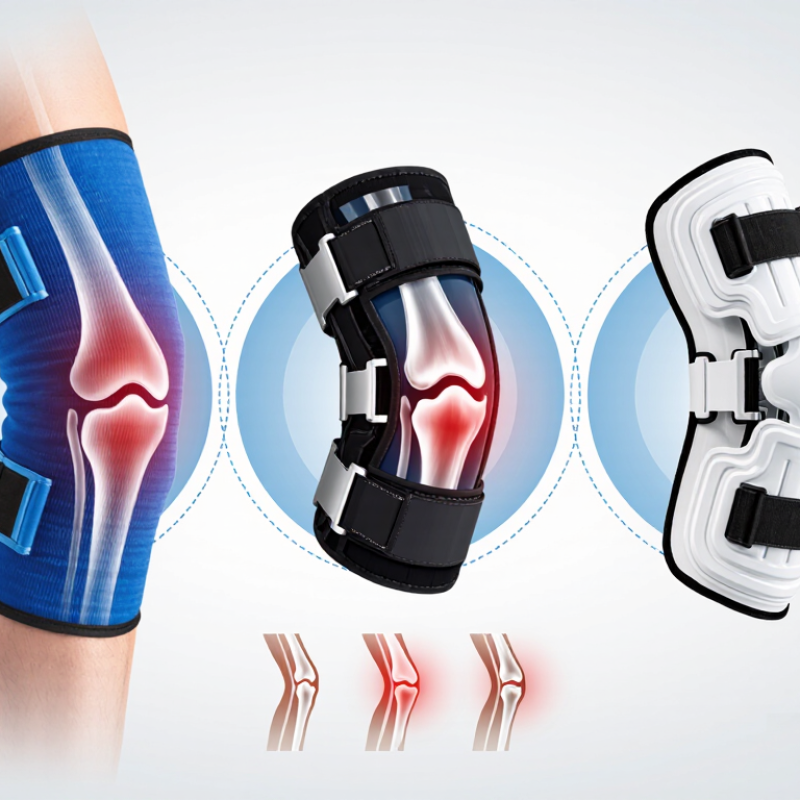
Choosing the right Knee Splint begins with understanding the knee’s problem, not the product’s appearance. Pain may come from ligament instability, arthritis, swelling, or recovery after surgery. Each condition requires different support. A soft sleeve may provide warmth and compression. A hinged Knee Splint may offer stronger protection during movement. A rigid brace can limit motion more firmly, but it may also feel uncomfortable.

Orthopedic knee specialist Dr. Robert LaPrade offers a useful principle: “A brace should support the knee, not become the knee.” This idea matters when comparing materials, hinges, straps, and motion limits. A well-fitted splint should feel secure around the joint. It should not cause numbness, skin discoloration, or increased pain. Check the fit after walking, climbing stairs, and sitting for several minutes. Small pressure points can become painful quickly.

The correct choice also depends on activity, body shape, swelling, and medical history. Someone returning to sport may need controlled stability. Someone managing mild arthritis may prefer a lighter design. A product marketed as “universal” may still require careful adjustment. That claim is not always enough. Ask a qualified clinician for guidance, especially after injury or surgery. A Knee Splint can support recovery, but it cannot repair damaged tissue or replace strengthening exercises. Choosing by price alone is tempting, and sometimes wrong. Evidence, fit, comfort, and professional assessment should guide the decision. A cautious choice may feel slower, but it is usually safer.
How to Choose the Right Knee Splint?

Understanding the Purpose and Types of Knee Splints

How to Choose the Right Knee Splint?

A knee splint should match the problem, not merely the pain. Its purpose may be compression, support, movement control, or protection after injury.

A soft compression sleeve can reduce mild swelling and provide warmth during walking. A patellar strap may help guide pressure around the kneecap. It is often used during running or stair climbing. For side-to-side instability, a hinged brace offers stronger support. A rigid immobilizer limits movement after serious injury or surgery. That level of restriction needs professional guidance.

Fit matters greatly.

The splint should feel secure, not painfully tight. Check the skin after thirty minutes. Red marks, numbness, tingling, or colder toes suggest a problem.

In practice, people often choose a bulky brace because it feels safer. More support is not always better. Too much restriction can weaken normal movement and increase stiffness.

I would reconsider any splint that changes your walking pattern.

Start with the knee’s actual need.

A clinician can assess swelling, ligament stability, kneecap tracking, and range of motion. Ask how long to wear it and whether exercises remain necessary. A splint cannot replace rehabilitation. It also cannot explain unexplained swelling or locking.

If symptoms worsen, seek medical assessment rather than tightening the straps. The choice may feel obvious, but it is not always.
Assessing Your Knee Condition and Support Requirements

Choosing the right knee splint starts with identifying the problem, not picking the firmest design. Pain after twisting may suggest ligament or meniscus involvement, while gradual stiffness may relate to osteoarthritis. The World Health Organization reported that about 528 million people lived with osteoarthritis worldwide in 2019. That figure shows the scale, but it does not diagnose your knee. Do not guess.

Check swelling, locking, giving way, and pain location. A hinged splint may help some instability, while a lighter sleeve can provide warmth and compression during mild discomfort.

However, support should match your movement needs. A rigid design may restrict stairs, squats, or cycling. Fit matters. It should feel secure without causing numbness, skin discoloration, or increased swelling.

Professional guidance also matters. The American Academy of Orthopaedic Surgeons’ 2021 knee osteoarthritis guideline recognizes braces as a possible option for selected patients, but the evidence is not equally strong for every design. A splint cannot repair a torn ligament or replace rehabilitation. In practice, people often over-tighten braces because tighter feels safer. I have found that this can create new discomfort and reduce confidence. A clinician or physiotherapist should assess alignment, strength, walking pattern, and injury history, especially after surgery or repeated instability. Remove the splint if pain worsens, and reassess its purpose rather than simply wearing it longer.

Comparing Splint Designs, Materials, and Adjustment Options

Choosing a knee splint starts with the movement you need to control. A soft sleeve offers compression and warmth, while a hinged design limits unwanted side-to-side motion. Rigid frames provide stronger unloading support, but they can feel bulky under clothing. The American Academy of Orthopaedic Surgeons’ 2021 guideline reports that knee braces may improve pain and function for some people with osteoarthritis, although evidence strength varies. That uncertainty matters. A stronger brace is not automatically a better brace.

Material affects comfort during real use. Neoprene retains warmth and may suit short activity periods, while breathable knitted fabrics often manage sweat better. Lightweight metal or reinforced polymer hinges can improve stability without excessive weight. Check the edges carefully. Sharp seams and rigid corners can irritate skin after several hours. Adjustment systems also deserve close attention. Wide straps distribute pressure, and numbered settings can make daily fitting more consistent. However, complicated straps may discourage regular use. A 2019 World Health Organization report estimated that 528 million people lived with osteoarthritis globally in 2019, increasing the need for practical, wearable support. Fit should be checked while sitting, standing, and walking. It is rarely perfect on the first try. A clinician or qualified orthotist can assess alignment, circulation, skin pressure, and movement. If numbness, swelling, or persistent pain appears, stop using the splint and seek professional advice.

How to Choose the Right Knee Splint? - Comparing Splint Designs, Materials, and Adjustment Options

Splint Design Typical Support Level Common Materials Adjustment Options Movement Control Typical Uses Advantages Important Considerations
Elastic Compression Sleeve Light Nylon, polyester, spandex, or similar stretch textiles Pull-on fit; some models have silicone or elastic grippers Allows nearly full knee movement Mild support during daily activities or low-impact exercise Lightweight, discreet, and easy to wear under clothing Provides limited mechanical protection and may roll or become tight if incorrectly sized
Open-Patella Sleeve Light to moderate Stretch fabric with a reinforced or uncovered patella opening Usually pull-on; may include adjustable straps Preserves flexion and extension while offering mild patellar guidance Activity-related anterior knee discomfort and mild patellar tracking support Reduces pressure over the kneecap and improves ventilation around the patella Not intended to control major instability or protect a healing ligament by itself
Patellar Stabilizing Brace Moderate Neoprene or breathable textile with foam, fabric, or polymer buttresses Hook-and-loop straps and adjustable patellar buttress positioning Helps guide the patella while allowing functional movement Mild patellar instability or recurrent lateral patellar movement Targeted support without the bulk of a full hinged brace The buttress must remain correctly positioned; incorrect placement can reduce effectiveness
Hinged Knee Brace Moderate to high Textile or neoprene sleeve with aluminum, steel, or reinforced polymer hinges Multiple straps, hinge alignment, and sometimes adjustable range-of-motion stops Limits unwanted side-to-side motion while permitting controlled bending Ligament support, functional instability, and selected post-injury rehabilitation plans Offers stronger medial and lateral stability than a simple sleeve Hinges should align with the knee joint; poor alignment may cause discomfort or slipping
Unloader Brace Moderate to high Rigid or semi-rigid frame, aluminum or polymer shells, and padded liners Straps plus adjustable frame geometry or corrective alignment settings Applies a corrective force intended to reduce load on one side of the knee Selected compartment-specific knee osteoarthritis with clinician guidance Can redistribute loading during walking or other weight-bearing activities Requires accurate fitting; may feel bulky and is not suitable for every knee alignment or condition
Post-Operative Range-of-Motion Brace High Rigid metal or polymer bars, padded liners, and adjustable hinges Long straps, telescoping bars, and controlled flexion/extension stops Can restrict or progressively permit specific ranges of motion Post-surgical protection or structured rehabilitation when prescribed Provides highly controlled support and adjustable protection during recovery Settings should be changed only according to the treating clinician’s instructions
Immobilizer Very high Foam-covered rigid stays, fabric panels, and hook-and-loop closures Length-adjustable straps and removable or repositionable stays Restricts knee flexion and extension substantially Short-term protection when limiting movement is medically required Simple design with strong motion restriction May increase stiffness, skin pressure, or muscle weakness if used longer than directed
Selection Note: Choose the least restrictive design that provides the required support. For suspected ligament injury, significant swelling, post-operative recovery, severe pain, numbness, or persistent instability, seek guidance from a qualified healthcare professional before selecting or adjusting a knee splint.

Selecting the Correct Knee Splint Size and Fit

How to Choose the Right Knee Splint?

Selecting the correct knee splint size starts with accurate measurements. Measure around the knee joint while standing, with the leg relaxed. Some designs also require thigh and calf measurements. A flexible tape should touch the skin without compressing it. Compare every measurement with the manufacturer’s sizing chart, not with your usual clothing size. The World Health Organization reports that musculoskeletal conditions affect about 1.71 billion people worldwide, making safe support selection increasingly important.

Fit should feel secure, never restrictive. The splint should stay centered over the kneecap during walking and bending. You should slide one or two fingers underneath the edges. Too much space allows movement and rubbing. Excessive tightness may cause numbness, swelling, or skin discoloration. Check your skin after 20 minutes, then again after exercise. Small red marks can happen, but they should fade quickly.

In practice, the first measurement is not always perfect. Recheck it at the end of the day, when swelling may be greater. The American Academy of Orthopaedic Surgeons’ 2021 knee osteoarthritis guideline notes that bracing may improve pain and function, although supporting evidence remains limited. A splint cannot correct every knee problem. Stop using it if pain increases, and seek professional assessment for persistent swelling, instability, or reduced sensation.

How to Choose the Right Knee Splint?

Selecting the Correct Knee Splint Size and Fit

Measure the leg in centimeters at the mid-thigh, knee joint line, and widest part of the calf. This example measurement profile helps organize the measurements needed when comparing a knee splint with a manufacturer’s sizing chart. A correct fit should feel secure without restricting circulation, causing numbness, or slipping during movement.

Checking Comfort, Stability, and Everyday Usability

How to Choose the Right Knee Splint?

Comfort, stability, and everyday usability matter more than appearance when choosing a knee splint. A comfortable splint should feel secure without squeezing the thigh or calf. Check the edges while sitting, standing, and walking. If the material rubs behind your knee, irritation may appear after several hours. Small pressure points can become big problems.

Stability should match your activity and medical needs. A splint for mild support may work during short walks, while recovery from an injury may require professional guidance. Try gentle bending and a few steps on different surfaces. The knee should feel supported, not locked in place. Any numbness, increased swelling, or sharp pain requires removal and medical advice.

Everyday usability is easy to overlook. Can you adjust the straps with one hand? Does it fit under loose trousers? Will it stay in position during stairs, commuting, or light work? Breathable fabric helps reduce sweat, but it may not prevent all discomfort. I have found that people often choose a very rigid design for confidence, then stop wearing it because movement feels unnatural. That choice deserves reconsideration. Washable materials, clear care instructions, and a secure fastening system support regular use. A healthcare professional can assess fit, alignment, and whether the splint suits your condition.