What are the Benefits of Orthopedic Shoes for Buyers?
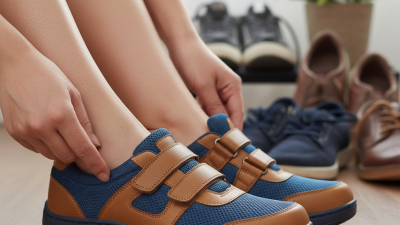
Orthopedic shoes have gained popularity among individuals seeking comfort and support. For many, foot pain and discomfort are everyday challenges. These specialized shoes address various foot conditions and provide relief. By focusing on craftsmanship and thoughtful design, orthopedic shoes are tailored to fit the unique needs of wearers.
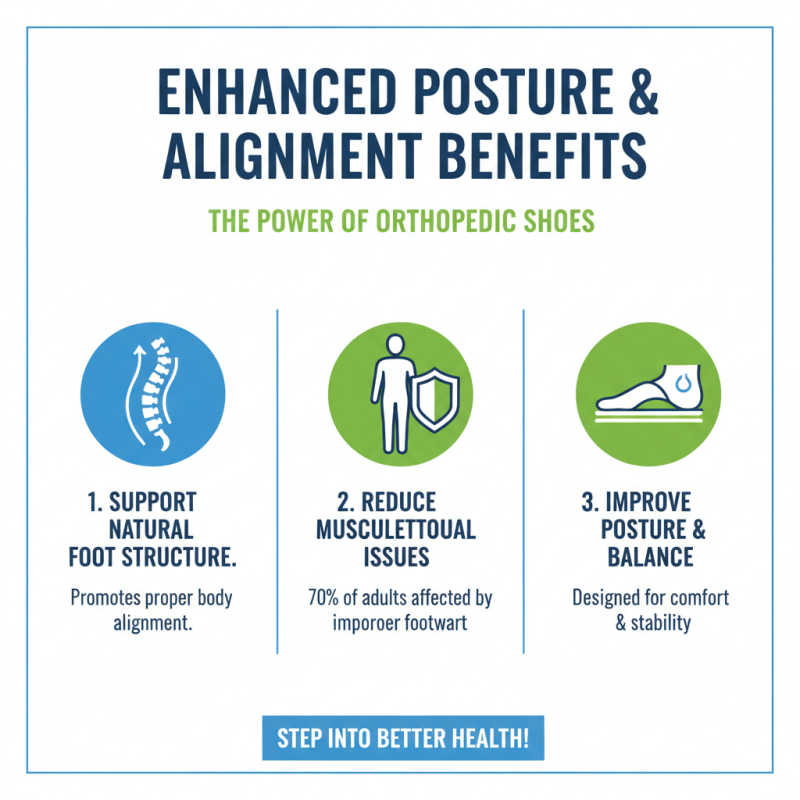
The benefits of orthopedic shoes extend beyond comfort. They promote better posture and improve overall foot health. Users often notice a reduction in foot fatigue during daily activities. Many styles are now available, making it easier for individuals to find a pair that suits their personal style.
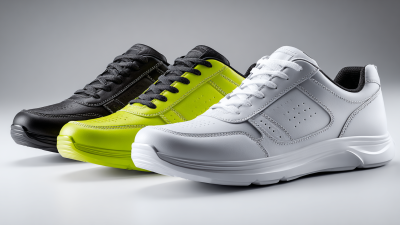
However, there are common misconceptions. Some people believe they have to compromise on fashion for functionality. This is not necessarily true. Today, many brands create orthopedic shoes that are both stylish and supportive. As buyers navigate their choices, understanding the true advantages of orthopedic shoes is key to making informed decisions about their foot health.

Benefits of Orthopedic Shoes for Foot Health and Comfort
Orthopedic shoes serve as a vital solution for those with foot health issues. They provide necessary support and comfort, significantly reducing pain associated with various conditions. These specialized shoes often feature arch support, cushioning, and a wide toe box. This design helps in distributing body weight evenly across the foot. Many people notice a remarkable difference in their daily activities after switching to orthopedic shoes.
Wearing the right footwear can transform your daily comfort. When shopping, look for shoes that provide a secure fit and adequate arch support. Custom orthotics can also enhance comfort further. Pay attention to your walking patterns; a proper alignment can make a big impact. Remember to choose breathable materials to keep your feet dry and comfortable throughout the day.
Tip: Regularly inspect your orthopedic shoes for wear and tear. Replace them if you notice any significant damage. It's also wise to consult a professional before making any major changes. Prioritize your foot health; neglect can lead to further issues down the road. Foot comfort is key to enjoying an active lifestyle.
Improved Support and Stability for Daily Activities
Orthopedic shoes offer enhanced support and stability crucial for daily activities. These specialized shoes are designed to align your feet and provide cushioning. This feature helps reduce strain during walking or standing for long periods. Many people report a noticeable difference when they switch to orthopedic footwear.
Improved arch support is another significant benefit. Proper arch support helps distribute body weight evenly. This reduces pressure points on your feet, preventing discomfort and fatigue. Daily tasks, from grocery shopping to exercising, become easier and more enjoyable. However, finding the right fit can be a challenge. It's essential to consider individual foot shape and size. Some may need extra time to adjust.
The focus on stability is also vital. With better grip and support, the risk of slipping or falling decreases. This is particularly beneficial for older adults or those with specific foot conditions. While orthopedic shoes can enhance comfort, they may not suit everyone’s style. Striking a balance between functionality and aesthetics can be tricky. But the health benefits they provide often outweigh these concerns.
Reduction of Pain in Common Foot Disorders
Orthopedic shoes are specifically designed to alleviate pain associated with common foot disorders, making them beneficial for many buyers. These shoes offer targeted support for conditions like plantar fasciitis, flat feet, and arthritis. The arch support built into these shoes helps correct foot posture. Many users report a noticeable reduction in discomfort after switching to orthopedic footwear. This relief can significantly enhance daily activities.
A common misconception is that orthopedic shoes are unattractive. Many styles now cater to both function and fashion. This means you don't have to sacrifice appearance for comfort. A good fit is crucial; shoes that are too tight can exacerbate pain. It's essential to have your foot measurements checked regularly. Not all models work for everyone. Trying different types is necessary to find the right fit for your needs.
Investing in quality orthopedic footwear can be life-changing. However, it's important to consult with a healthcare professional before making a purchase. They can provide personalized advice based on your specific foot condition. It's easy to overlook foot health, but it's vital. People often ignore early signs of discomfort until they escalate. Recognizing these issues early can save you from more significant problems down the line.
What are the Benefits of Orthopedic Shoes for Buyers? - Reduction of Pain in Common Foot Disorders
| Foot Disorder |
Recommended Features |
Benefits of Orthopedic Shoes |
| Plantar Fasciitis |
Arch support, cushioned insoles |
Reduces heel pain and inflammation |
| Flat Feet |
Custom orthotics, supportive structure |
Improves alignment, reduces fatigue |
| Diabetic Foot |
Wide toe box, soft material |
Prevents pressure sores, enhances comfort |
| Bunions |
Stretchable upper, roomy toe area |
Relieves pain, allows natural foot movement |
| Hammertoes |
Arch support, flexible design |
Alleviates discomfort, promotes proper posture |
Increased Durability and Quality of Materials Used
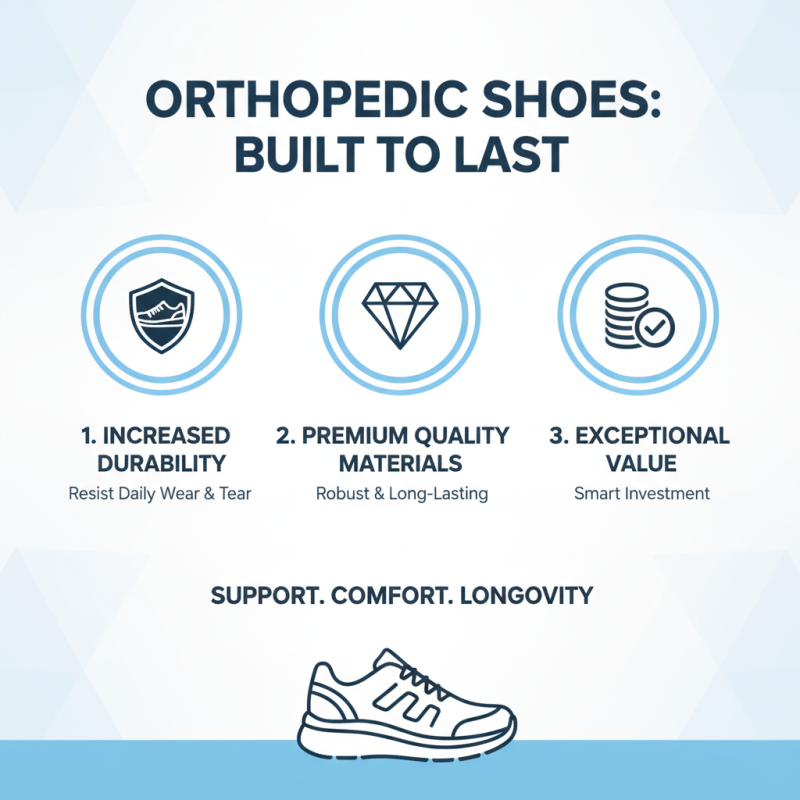
Orthopedic shoes offer significant benefits, particularly due to their increased durability and quality of materials. These shoes are designed to provide support and comfort. They use robust materials that stand up to daily wear and tear. This durability ensures that buyers get long-lasting value from their investment.
The choice of materials is critical. High-quality leather, breathable fabrics, and advanced cushioning provide both comfort and protection. Many orthopedic shoes also include adjustable features. These allow for a better fit, accommodating various foot shapes and sizes. However, finding the right fit can be challenging. Not every design suits every individual.
Moreover, despite their benefits, some may find orthopedic shoes less fashionable. The traditional aesthetic may deter potential buyers. Balancing comfort with style is essential. Buyers sometimes overlook the importance of investing in quality footwear. It's a choice that can affect overall health and well-being.