Leave Your Message

2026 Best Knee Immobilizer Types for Global Buyers

Choosing the right Knee Immobilizer in 2026 requires more than comparing prices and product photographs. Global buyers must examine stability, sizing, materials, adjustability, and documented quality controls. A rigid full-length model may support a post-injury leg effectively, while a shorter design can offer easier movement during supervised recovery. However, the best option depends on the patient’s condition, clinician guidance, and intended use.

Fit matters immediately. Straps should close firmly without creating numbness, pressure marks, or slipping. Breathable fabrics can improve comfort in warm climates, while reinforced hinges may suit controlled rehabilitation settings. Details such as size charts, packaging protection, cleaning instructions, and replacement availability also influence purchasing decisions across countries. Small details matter.

This guide compares leading Knee Immobilizer types for hospitals, distributors, caregivers, and professional buyers. It considers practical experience, product specifications, user comfort, and supplier reliability. Evidence from clinical practice and manufacturer documentation should guide final decisions, rather than marketing language alone. A low-cost brace may appear attractive, yet weak fasteners or unclear sizing can create avoidable problems.

There is no universal winner. Regional shipping conditions, healthcare standards, patient needs, and after-sales support can change the result. Some comparisons may remain imperfect because product availability and specifications vary by market. Buyers should verify current certifications, instructions, and local clinical requirements before ordering. Professional assessment remains essential, especially after surgery, suspected fracture, or significant swelling.

2026 Best Knee Immobilizer Types for Global Buyers

Global Knee Immobilizer Demand: WHO’s 528 Million Osteoarthritis Cases in 2019

In 2019, the World Health Organization reported that about 528 million people lived with osteoarthritis worldwide. Knee osteoarthritis represented a major share of this burden. That figure changes how global buyers should view knee immobilizers. Demand is not limited to hospitals. It also includes rehabilitation centers, home-care providers, and older adults needing short-term support.

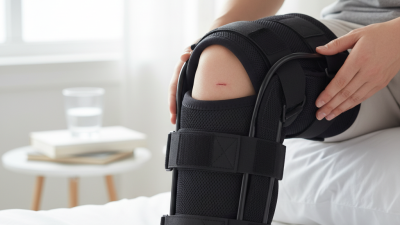
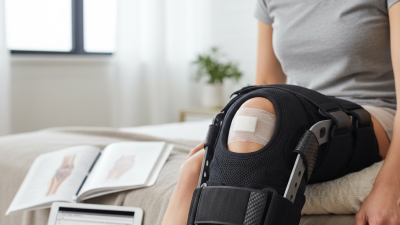
Rigid knee immobilizers keep the leg in a controlled position after injury or surgery. They usually combine a firm outer structure, foam padding, and adjustable straps. Post-operative models may provide stronger stabilization. Hinged supports allow limited movement and may suit selected rehabilitation stages. However, they are not identical products. A hinged brace should not automatically replace a true immobilizer.

For osteoarthritis, full immobilization is often not the routine answer. Long use may increase stiffness, skin pressure, or muscle weakness. Buyers should check whether the product is intended for pain relief, temporary protection, or post-surgical control. Fit matters. A loose strap can let the device slide during walking, while tight padding may leave red marks around the thigh. Size ranges, breathable materials, washable liners, and left-right compatibility are practical purchasing details. Instructions should be clear enough for home users. That is still a common weakness. Clinical advice remains important, especially when swelling, numbness, or circulation problems appear. A simple product ranking can mislead. Needs differ by patient, climate, care setting, and rehabilitation plan.

2026 Best Knee Immobilizer Types for Global Buyers

Global Knee Immobilizer Demand: WHO’s 528 Million Osteoarthritis Cases in 2019

In 2019, approximately 528 million people worldwide were living with osteoarthritis. WHO reports that 73% of people with osteoarthritis are older than 55, 60% are women, and approximately 344 million people may require rehabilitation. Because the knee is the most commonly affected joint, these figures indicate broad global relevance for knee-support products, including rigid, hinged, and adjustable immobilizer designs.

Source: World Health Organization, Osteoarthritis fact sheet. Values shown are global 2019 indicators; they are not manufacturer or market-sales data.

Rigid, Hinged, and Posterior Designs: Match ROM Control to Injury Stage

For global buyers, knee immobilizer selection should follow injury stage, not appearance. Rigid designs hold the knee near extension and limit unwanted movement after acute trauma or surgery. They can protect healing tissue, but prolonged use may cause stiffness, pressure marks, and reduced muscle activity. Clinical guidance matters.

Hinged immobilizers offer adjustable range-of-motion control. A clinician may begin with limited movement, then widen the range as swelling decreases and stability improves. They suit many recovery plans involving ligament repair or controlled rehabilitation. The stage is not always clean-cut. Pain, imaging, and surgical instructions can change the plan.

Tips: Measure thigh and calf circumference carefully. Check hinge alignment beside the knee joint. Look for padded straps, breathable materials, and clear adjustment markings. Posterior designs support the back of the leg and may work well when full circumferential pressure is uncomfortable. However, they often provide less overall containment than rigid shells. A loose brace can slide during walking. An overly tight one may cause numbness, cold toes, or skin discoloration. Stop using it and seek medical advice if these signs appear. Instructions may also vary across countries, so buyers should verify sizing charts, care requirements, and professional fitting support before ordering.

Fit and Safety Benchmarks: Apply ISO 13485 and ISO 14971 Evidence

2026 Best Knee Immobilizer Types for Global Buyers

Global buyers should assess knee immobilizers through fit, material control, and documented safety processes. Hinged, posterior-shell, and adjustable wraparound types serve different recovery needs. A rigid shell can limit motion effectively, but poor sizing may create pressure behind the knee. The best design is not always the most restrictive one.

Quality and Risk Documentation

ISO 13485 evidence should show controlled manufacturing, supplier oversight, traceability, and consistent inspection records. Ask for the product’s quality documents, not only a certificate image. ISO 14971 evidence should explain identified hazards, risk controls, usability concerns, and post-market feedback. Look for evidence covering skin irritation, strap failure, incorrect application, and reduced circulation. These records support confidence, but they do not replace clinical judgment. Documentation can also be incomplete. That deserves a careful question.

Tips

Measure the thigh, knee, and calf as instructed. Check size charts against real measurements. Confirm the immobilizer stays centered during walking. Inspect seams, closures, and padding after repeated use. Request translated instructions for each target market. Keep fitting records for quality reviews. When possible, test samples with different users and clothing layers. A device that fits one patient may shift on another. Small gaps matter. Safety depends on use, too.

Buyer Comparison Matrix: Weight, Sizes, Materials, and Applicable 510(k) Status

2026 Best Knee Immobilizer Types for Global Buyers

Buyer Comparison Matrix: Weight, Sizes, Materials, and Applicable 510(k) Status

A practical comparison matrix should list weight, size range, materials, and adjustment points. Lightweight models often improve comfort during home recovery, but excessive softness may reduce immobilization. Rigid metal or polymer stays provide firmer control. They can also create pressure near the calf and kneecap. Measure thigh and calf circumference, not only leg length. Small, medium, and large labels vary between manufacturers. Always check the actual measurement chart.

Material details deserve close attention. Breathable mesh can reduce heat during extended wear, while foam padding helps protect sensitive skin. Hook-and-loop closures allow quick fitting, but worn fasteners may loosen unexpectedly. A clinician should confirm alignment after surgery, injury, or suspected fracture. It is easy to overlook foot position. That mistake matters.

Regulatory review must be product-specific. In the United States, some knee orthoses may be 510(k)-exempt, while others may require FDA clearance based on classification and intended use. A 510(k) clearance indicates substantial equivalence, not universal approval or clinical superiority. Buyers should verify the product record, intended use, labeling, and current status in official FDA databases. Do not rely on a sales sheet alone. Requirements differ across markets, so importers should also confirm local registration, documentation, and post-market obligations. The matrix helps, but it is not perfect. Fit, patient condition, and clinical instructions still control the final choice.

2026 Sourcing Checklist: Verify CE/MDR, MOQ, Lead Time, and Warranty

When sourcing knee immobilizers in 2026, begin with the intended patient group and product type. A rigid post-operative model needs different evidence than a lighter support for short-term use. Ask the supplier for the EU Declaration of Conformity, applicable MDR classification, technical documentation summary, and clinical evaluation details. Check whether a notified body is required. Verify the CE marking on packaging and product labels, not only in a sales presentation. Confirm the economic operator, traceability information, and destination-market requirements. Requirements can differ outside the European Union.

MOQ and lead time often decide whether a promising supplier is practical. Request separate quantities for standard colors, custom labels, and modified sizing. A low MOQ may hide higher unit costs or longer production queues. Ask for a written timeline covering sampling, approval, production, inspection, and shipping. For each knee immobilizer, inspect hinge movement, strap stitching, foam recovery, edge finishing, and size consistency. Keep dated sample photos and measurement records. Small details matter.

Warranty terms should state the coverage period, defect definition, replacement process, and response time. Clarify whether shipping costs and repeated failures are included. A twelve-month warranty sounds useful, but vague exclusions weaken it. I would also request batch records and a complaint-handling procedure. My checklist is not perfect; supplier documents can change, and translated files may lose important wording. Recheck critical evidence before every major order. Reserve payment milestones for approved samples and passed inspections. Reliability comes from repeated verification, not confident promises.

2026 Best Knee Immobilizer Types for Global Buyers - 2026 Sourcing Checklist: Verify CE/MDR, MOQ, Lead Time, and Warranty
Knee Immobilizer Type Typical Construction Common Clinical Use Key Buyer Advantages Important Limitations EU CE/MDR Verification Checklist Indicative MOQ for Private Label Typical Production Lead Time Typical Warranty Benchmark Recommended Pre-Order Checks
Three-Panel Knee Immobilizer Three semi-rigid posterior or lateral panels with adjustable hook-and-loop straps and a padded interior. Post-operative support, temporary immobilization, acute knee injury, and protection after selected ligament or patella procedures. Easy to fit across different leg shapes; good size adjustability; practical for hospitals and distributors. May feel bulky; prolonged wear can create heat and pressure if padding and sizing are inadequate. Confirm the intended purpose and EU classification in the manufacturer’s regulatory documentation. Request the EU Declaration of Conformity, technical documentation summary, risk-management evidence, labeling, instructions for use, and the applicable conformity-assessment route. Verify that the product, manufacturer, and authorized representative details are consistent across documents. 100–500 units, depending on fabric, packaging, and customization. 20–45 calendar days after approval of samples, artwork, and purchase order. 12–24 months against manufacturing defects; confirm exclusions for normal wear, misuse, and laundering. Check panel rigidity, strap tensile strength, seam quality, skin-contact materials, size chart accuracy, washing instructions, and carton compression resistance.
Posterior-Panel Knee Immobilizer Long contoured posterior support panel with multiple circumferential straps and soft foam or textile padding. Temporary support following injury or surgery when controlled extension is preferred and a simple, lightweight design is required. Lower material cost; straightforward application; fewer components can simplify assembly and quality control. Less lateral control than multi-panel designs; fit may be less stable on highly variable leg shapes. Verify whether the product is supplied as a medical device in the destination market and whether the claimed function is immobilization, support, or both. Request conformity documents, clinical evaluation or equivalent performance justification, biocompatibility information for skin-contact materials, and traceability records. 200–1,000 units for standard sizes; higher quantities may apply to custom packaging. 15–35 calendar days for standard designs; allow extra time for new molds or custom textiles. 12–18 months is a common commercial benchmark, subject to written warranty terms. Evaluate posterior panel edges, pressure distribution, strap placement, odor after unpacking, hook-and-loop cycle durability, and ease of application by one person.
Full-Length Rigid Knee Immobilizer Longer rigid or semi-rigid panels extending above and below the knee, usually with several support straps. Higher-support immobilization after selected surgical procedures, fractures, or serious soft-tissue injuries when prescribed by a clinician. Greater control of knee movement; suitable for institutional purchasing where strong support is the main requirement. Heavier and warmer; more sensitive to incorrect sizing; may increase pressure at the thigh, calf, or ankle. Do not rely only on a CE logo or certificate image. Confirm the legal manufacturer, authorized representative where applicable, product identifier, declaration of conformity, applicable standards, post-market surveillance process, and complaint-handling contact. Classification must be confirmed for the specific design and intended purpose. 100–300 units for standard products; 500+ units may be required for extensive customization. 30–60 calendar days because of larger material consumption, fitting work, and inspection requirements. 18–24 months against defects in materials and workmanship is a common target for institutional supply contracts. Conduct wear trials for thigh and calf pressure, verify radiographic or imaging compatibility claims only when documented, inspect sharp edges, and confirm individual polybag labeling.
Adjustable Hinged Knee Immobilizer Rigid side supports with hinges that can be locked or limited, combined with adjustable straps and padded liners. Post-operative rehabilitation or controlled range-of-motion support where a clinician requires gradual adjustment rather than continuous fixed immobilization. More functional than a fixed immobilizer; can support staged rehabilitation when hinge settings are clearly marked. More components and higher cost; incorrect hinge adjustment can compromise the intended support. Request device-specific risk analysis covering hinge failure, accidental setting changes, strap detachment, and skin contact. Verify instructions for use, adjustment limits, durability testing, labeling of left/right versions, and the conformity route under the applicable EU medical-device framework. 100–300 units for standard hardware; 300–1,000 units may apply to custom hinge components. 35–70 calendar days, including hinge assembly, functional testing, and packaging approval. 12–24 months for the complete device; ask whether hinge components and replacement liners are covered separately. Test hinge locking accuracy, repeated adjustment cycles, strap anchoring, corrosion resistance, replacement-part availability, and user instructions in the target language.
Universal Wraparound Knee Immobilizer Broad wraparound textile body with adjustable straps and removable or integrated support stays. General temporary support, first-aid distribution, home-care use, and markets requiring a wide fitting range. Fast fitting; relatively low inventory complexity; suitable for multiple leg circumferences. May migrate during walking; universal sizing can provide less precise support than anatomical sizing. Confirm that the stated claims match the actual construction and intended use. Review labeling, size and adjustment instructions, material specifications, test reports for skin-contact components, declaration of conformity, and market-specific importer or authorized-representative information. 300–1,500 units for standard materials and packaging. 15–40 calendar days for standard configurations; custom fabric colors and labels may extend the schedule. 12 months is a common minimum commercial benchmark; specify a higher period if required by the distribution market. Check slippage during walking, strap overlap, textile stretch recovery, colorfastness, hook-and-loop contamination, and readability of size markings.
Pediatric Knee Immobilizer Shorter, lighter construction with smaller dimensions, softer padding, and child-oriented size grading. Clinician-directed temporary immobilization for children and adolescents after injury or selected procedures. Addresses smaller limb dimensions; can reduce excess material and improve comfort when correctly sized. Growth and sizing changes can quickly affect fit; child-specific labeling, supervision, and safety instructions are essential. Request age and size range justification, pediatric-use risk assessment, skin-contact material information, cleaning instructions, choking and small-part review where relevant, and clear warnings that the device should be fitted and used according to professional advice. Verify all regulatory documents for the exact pediatric model. 100–500 units per size or 500–2,000 units across a size range. 25–55 calendar days, including size-set sampling and fit validation. 12–24 months against manufacturing defects; clarify whether growth-related replacement is excluded. Perform fit checks across the complete size range, inspect all edges and fasteners, review child-safe packaging, and validate multilingual warnings before production.
Post-Operative Foam-Lined Immobilizer Rigid support panels combined with thicker foam, soft lining, and straps designed for use over dressings. Early post-operative care or acute injury support where cushioning and accommodation of swelling are important. Improved comfort over dressings; useful for hospital discharge kits and home-care channels. Foam can retain heat and moisture; swelling may change fit; cleaning and drying requirements must be clear. Verify material composition, skin-contact safety information, cleaning and infection-control instructions, packaging cleanliness, and shelf-life rationale if the device is supplied sterile or with sterile accessories. Confirm the declaration of conformity and the applicable post-market obligations. 100–500 units for standard foam and textile combinations. 25–50 calendar days; allow additional time for packaging validation if supplied with sterile or controlled-cleanliness claims. 12–24 months for the device; packaging or sterile-accessory shelf life must be documented separately where applicable. Inspect foam recovery, compression set, odor, moisture management, seam coverage, dressing clearance, and packaging integrity after transport simulation.
Washable Reusable Knee Immobilizer Removable stays or panels with machine-washable or hand-washable textile components and replaceable fasteners. Home care, rehabilitation, rental services, and distribution channels where repeated cleaning is expected. Lower long-term replacement cost; supports institutional hygiene routines when cleaning instructions are validated. Repeated washing can reduce hook-and-loop performance, alter padding, or affect shape if instructions are not followed. Request cleaning-cycle or durability evidence that reflects the stated instructions. Confirm labeling for washing temperature, drying method, disassembly, and reassembly. Verify material declarations, risk management, conformity documentation, and traceability for replacement components. 200–1,000 units, depending on textile construction and packaging requirements. 25–55 calendar days, including laundering-cycle checks and final quality inspection. 12–24 months or a defined number of cleaning cycles; the contract should state which warranty condition applies. Run repeated wash tests, measure dimensional change, inspect panel pockets, assess odor retention, test strap adhesion after cleaning, and confirm drying time.
2026 sourcing note: MOQ, lead time, and warranty figures are indicative industry buying benchmarks rather than fixed legal requirements. Final terms depend on materials, sizes, packaging, customization, order volume, inspection requirements, shipping method, and destination-country regulations. CE/MDR status must be verified for the exact product, intended purpose, legal manufacturer, and market placement route.
Buyer record to retain: approved sample, signed specification, size chart, bill of materials, labeling artwork, declaration of conformity, applicable certificates or assessment records, inspection report, warranty terms, packing list, and batch traceability information.