Why Choose a Knee Immobilizer for Your Recovery Needs?
Choosing the right support for recovery is crucial. A Knee Immobilizer can be a vital tool in this process. It provides necessary stability and support after injuries or surgeries. Many patients rely on it to immobilize the knee, reducing pain and promoting healing.
Using a Knee Immobilizer offers several benefits. It limits movement, allowing tissues to repair properly. The design helps to align the knee joint, which is essential for recovery. For those with specific injuries, it can significantly aid in rehabilitation. However, patients must be aware of their unique needs. Not all knee injuries require strict immobilization. Some might need gradual movement instead.
Individual experiences with a Knee Immobilizer may vary. Some find immediate relief; others may feel discomfort or frustration. It’s important to reassess the usage regularly. Listening to your body is key. Overall, the decision to use a Knee Immobilizer should be informed and personal. Always consult with a healthcare provider to ensure it meets your recovery goals.

Benefits of Using Knee Immobilizers in Injury Recovery Process
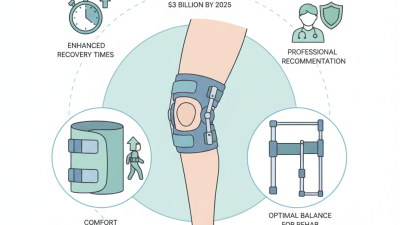
Knee immobilizers offer significant benefits during the recovery process from injuries. They support the joint, reducing pain and preventing further damage, crucial for many patients. According to the American Academy of Orthopedic Surgeons, proper immobilization can lead to a 30% faster recovery time in sprains and post-surgical care compared to non-immobilized cases.
Using a knee immobilizer also enhances stability. It allows individuals to engage in physical therapy with reduced risk of re-injuring the knee. Studies show that patients utilizing immobilizers report 25% less pain during rehabilitation. This reduction aids in maintaining flexibility, which is essential for full recovery.
Despite these advantages, some users may experience challenges. Comfort is a common concern, as prolonged use can lead to skin irritation. Additionally, reliance on immobilizers can sometimes delay muscle strengthening. It's important to balance immobilization with appropriate exercises. Following a healthcare professional's guidance ensures recovery remains on track while addressing these potential drawbacks.
Types of Knee Immobilizers and Their Specific Uses in Rehabilitation
Knee immobilizers play a crucial role in rehabilitation. Different types of immobilizers cater to various recovery needs. Knowing these types can enhance your recovery process.
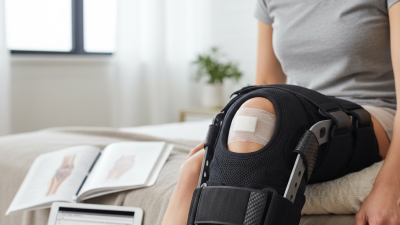
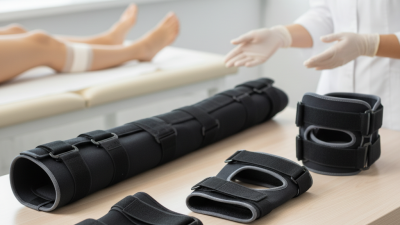
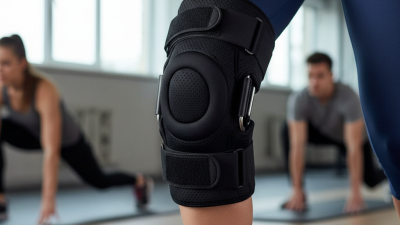
One common type is the rigid knee immobilizer. It provides maximum stability. This immobilizer is ideal after surgery or significant injury. It limits movement effectively to promote healing. Similar to it is the hinged knee immobilizer. This type allows some controlled movement. It’s beneficial in later stages of recovery. A patient can gradually regain range of motion.
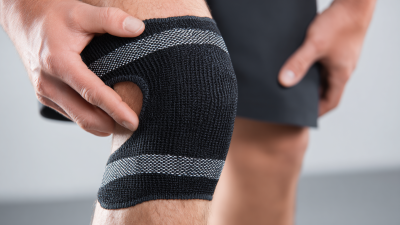
Another option is the soft knee immobilizer. It offers support while allowing some flexibility. Athletes often use it during rehabilitation. It can be a balancing act between immobilization and movement. Each type serves a unique purpose. Choosing the right one can be challenging, yet essential. Reflecting on your specific situation is vital. It influences your recovery trajectory significantly.
Why Choose a Knee Immobilizer for Your Recovery Needs?
| Type of Knee Immobilizer |
Specific Uses |
Recommended For |
Duration of Use |
| Rigid Knee Immobilizer |
Post-surgery recovery, severe ligament injuries |
Patients recovering from ACL, MCL injuries or surgery |
1-6 weeks, depending on injury |
| Soft Knee Brace |
Mild strains, chronic pain management |
Athletes with previous injuries or arthritis |
As needed, or daily use |
| Adjustable Knee Immobilizer |
Flexible support, varies from acute to chronic conditions |
Post-injury adjustments, physical therapy |
Varies; can be used for the duration of rehabilitation |
| Knee Immobilizer with Range of Motion Control |
Controlled rehabilitation, gradual mobility increase |
Post-operative rehabilitation; patients transitioning to more activity |
Based on physician recommendation, usually weeks to months |
Clinical Studies Supporting the Efficacy of Knee Immobilizers
Knee immobilizers play a crucial role in recovery processes. Clinical studies have shown their effectiveness in reducing pain and preventing further injury. Participants often experience less swelling and improved stability. This immobilization supports healing after surgeries or injuries.
Research indicates that patients using knee immobilizers report higher satisfaction levels. They appreciate the security the brace provides during movement. One study noted decreased recovery time in patients wearing immobilizers compared to those without. However, it is essential to understand that prolonged use can lead to stiffness.
Thus, incorporating knee immobilizers can be beneficial yet complex. They should be used under professional guidance. Proper education on usage and duration is essential for optimal recovery. Balancing time in the immobilizer with physical therapy is key for regaining strength and mobility.
Guidelines for Proper Selection and Use of Knee Immobilizers
When recovering from knee injuries, choosing the right knee immobilizer is crucial. A study published in the "Journal of Orthopaedic Research" highlights that improper use of knee immobilizers can delay recovery by up to 30%. It’s essential to select a product tailored to your specific condition. Factors like injury type, severity, and comfort level should guide your choice.
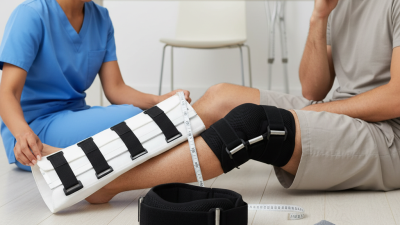
Comfort is key. Many reports suggest that a well-fitted immobilizer leads to better compliance. A good fit reduces pain and promotes proper healing. Make sure to consult a healthcare professional before making a decision. They can provide insights based on your medical history.
Tips: Measure your knee carefully. A proper measurement ensures an optimal fit, which enhances stability. Also, check for breathable materials. Staying comfortable is vital during the recovery phase. Keep in mind that wearing the immobilizer too tightly can cause discomfort. Adjust it as needed, and don't hesitate to seek advice if something feels off. It's a learning process, and addressing these small issues early can make a big difference in your recovery journey.
Why Choose a Knee Immobilizer for Your Recovery Needs?
Potential Risks and Considerations When Using Knee Immobilizers
Knee immobilizers are often recommended for recovery from injuries or surgeries. However, they come with potential risks that deserve attention. Studies indicate that prolonged use can lead to muscle atrophy. Research shows that immobilization for over two weeks can reduce muscle mass significantly, which may complicate the rehabilitation process.
Another concern is joint stiffness. According to various orthopedic reports, maintaining joint flexibility is crucial for overall mobility. Immobilizers may restrict movement too much, causing long-term stiffness. Furthermore, skin issues can arise from prolonged contact with immobilizers. Skin irritation or pressure sores can develop, especially if the device is not fitted properly. Regular monitoring is essential to prevent these complications.
Lastly, psychological effects should not be overlooked. Feelings of dependency can arise. Patients may feel anxious or frustrated about relying on an immobilizer. This emotional impact can hinder recovery. Therefore, it is essential to weigh the benefits against these potential risks. Careful evaluation and professional guidance are crucial for successful recovery.