How to Choose the Best Plaster Bandage for Your Needs?
Choosing the right plaster bandage is crucial for effective medical applications, especially in sports and orthopedics. According to industry reports, over 60% of healthcare professionals emphasize the importance of proper bandage selection. The right plaster bandage can influence healing time and patient comfort. This decision should consider factors like material strength, drying time, and patient safety.
Not all plaster bandages are created equal. Some are designed for lightweight support, while others offer greater rigidity. Reports indicate that improper use of plaster can lead to complications, such as skin irritation or inadequate support. Addressing these concerns requires a keen understanding of different bandage types. Many users overlook essential details when choosing, which can affect outcomes.
Ultimately, selecting a plaster bandage is more than a simple choice. It involves weighing professional guidance and individual needs. A well-informed decision ensures better healing and promotes patient satisfaction. Adapting your choice based on specific situations remains a challenge worth addressing.
Understanding the Different Types of Plaster Bandages Available
Choosing the right plaster bandage often feels overwhelming. With various types available, each serves a specific purpose. Knowing these differences can help you make an informed decision.
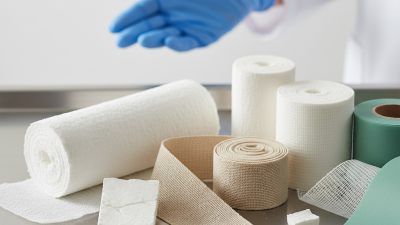
There are several main types of plaster bandages. The standard plaster bandage is commonly used for casts. It provides solid support for broken bones. On the other hand, fiberglass bandages are lighter and more water-resistant. They are ideal for active patients who want mobility.
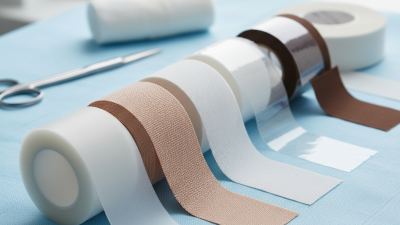
Self-adhesive bandages simplify the application process. They stick without additional tape, making them user-friendly. However, not all bandages are equal. Experimenting with different types may lead to some challenges. Some might not adhere well under moisture. Others might be too rigid for certain injuries. Consider testing a few types to see which fits your needs best. Remember, the right choice can greatly affect comfort and healing.
Key Factors to Consider When Selecting Plaster Bandages
Selecting the right plaster bandage for your needs is essential. Several key factors should guide your choice. First, consider the material composition. A good plaster bandage should be made from high-quality cotton and plaster. According to industry reports, high-grade materials enhance moldability and strength, which are crucial for effective immobilization.
Next, the setting time is critical. A faster-setting bandage offers convenience. Reportedly, products with a setting time of around 3-5 minutes are ideal. This allows for quick application, especially in emergency situations. However, rapid setting can also mean less working time. Be mindful of this trade-off when selecting your bandage.
Adhesion properties are equally important. A bandage should stick well to itself without excessive pressure. Some reports suggest that improper adhesion can lead to complications during recovery. Look for bandages that provide a balance of stickiness and flexibility. Remember, not every option suits every scenario. It's wise to test a few before making a final decision.
Analyzing the Strength and Flexibility of Plaster Bandages
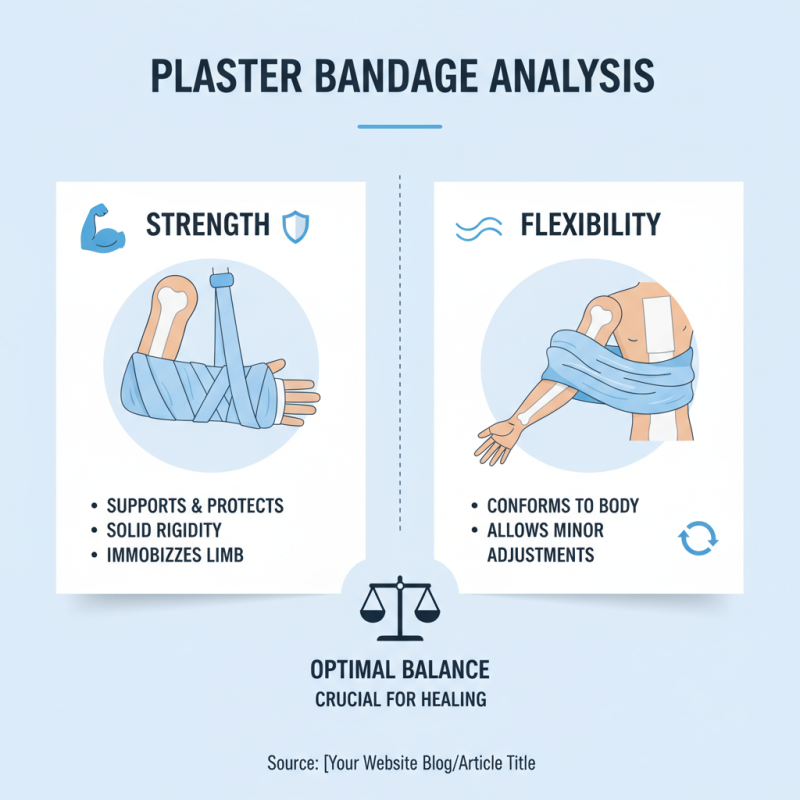
When selecting a plaster bandage, understanding its strength and flexibility is crucial. Strength indicates how well the bandage will support and protect the injured area. Look for bandages that provide solid rigidity without being overly stiff. A good balance will keep the limb immobile while still allowing for minor adjustments. Flexibility, on the other hand, determines how well the bandage conforms to the body's contours.
Tips: When testing a bandage, apply it to a model limb. Observe how it reacts during movement. A bandage that breaks easily may not be reliable. Pay attention to the drying time as well; some bandages take longer to set, affecting their usability.
Also, consider the thickness of the material. Thicker bandages can offer enhanced durability, but they may restrict movement more than desired. If the bandage is too rigid, it may lead to discomfort. Sometimes, it might feel soft at first but become rigid during use. Always assess how it feels around the injury. Make adjustments if needed, as comfort is essential for recovery.
Comparative Costs of Various Plaster Bandage Brands and Types
When selecting a plaster bandage, understanding costs is essential. Various brands and types come with different price tags. Typically, standard plaster bandages are more affordable. However, specialty bandages designed for specific uses might cost more. It’s essential to compare these costs against the features offered.
Consider the quality of materials used. Some cheaper options may not hold up as well. Unfortunately, low-cost bandages can break or crack easily. This could lead to extra expenses if you need replacements. Evaluating durability is vital. A slightly higher-priced bandage might save you money in the long run by reducing the need for frequent repairs.
Many factors contribute to the overall value of the plaster bandage. Analyze how well various brands meet your needs. Price alone isn’t enough. Customer reviews often reveal insights into reliability and effectiveness. It’s worth spending time reviewing these assessments. Aim for a balance between cost and quality to make an informed decision.
Assessing Application Techniques for Optimal Results with Plaster Bandages
Choosing the right plaster bandage can greatly affect the quality of a cast. The application technique is pivotal. According to a study published in the "Journal of Orthopedic Research," improper application can lead to complications in healing. Over 30% of patients reported discomfort due to poorly applied bandages.
A significant issue is the thickness of the plaster layer during application. A layer too thick can lead to excessive weight and discomfort. Conversely, too thin a layer might not provide adequate support. The optimal thickness is generally around 1/4 inch. Proper layering improves adherence and reduces the risk of cracks, which can compromise usability.
Timing also plays a crucial role. The initial setting time for plaster can vary significantly. It typically ranges from 3 to 6 minutes. However, environmental factors such as temperature can alter this. A hotter environment can speed up the setting process, potentially leading to mistakes. The skill of the applicator is essential for ensuring a successful outcome. All practitioners should be aware of the nuances involved to achieve the best results. Proper training and experience cannot be overstated in this matter.
Plaster Bandage Application Techniques and Their Effectiveness
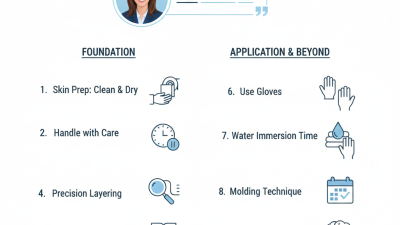
This chart displays the effectiveness of various plaster bandage application techniques based on user feedback and performance metrics.