How to Choose the Best Knee Sleeves for Your Needs?
Choosing the right knee sleeves can be a challenge. Renowned physical therapist Dr. Emily Johnson says, "The right knee sleeve offers comfort and support, enhancing your workout." This highlights the importance of finding sleeves that fit your personal needs.
Knee sleeves come in various styles and materials. Each design caters to different activities. Some provide maximum compression, while others focus on warmth and joint stability. It's vital to know your requirements. A good sleeve should support your knees without restricting movement. Excessive tightness can lead to discomfort.
Understanding your activity level is key when selecting knee sleeves. Think about whether you're a casual gym-goer or a dedicated athlete. Each individual's needs will vary, and that’s okay. A thoughtful choice can lead to better performance and injury prevention. Be aware of potential mistakes in sizing or material selection that may not meet your expectations.
Understanding Knee Sleeve Materials: Neoprene, Elastic, and Compression Types
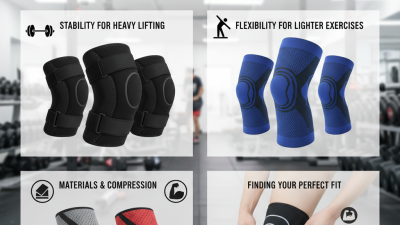
When choosing knee sleeves, materials play a significant role. Three popular types include neoprene, elastic, and compression materials. Neoprene is known for its warmth and support. It retains heat, which can soothe stiff joints. This quality is why many athletes prefer neoprene during cooler weather. However, it might feel bulky for some users.
Elastic knee sleeves are lightweight and flexible. They offer a good range of motion. This type allows for easy movement. Yet, they provide less warmth than neoprene. Users often find them more breathable, making them ideal for warmer conditions. However, without added compression, they might not offer enough support during intense activities.
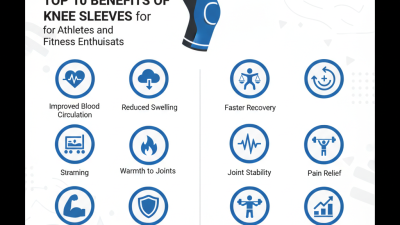
Compression knee sleeves promote blood circulation and reduce swelling. They are often made from a blend of materials designed to provide optimal support. While they fit snugly, some users report discomfort if worn for extended periods. Each material has distinct advantages and disadvantages. Understanding these factors helps you choose the best knee sleeve for your specific needs.
Evaluating Size and Fit: Importance of Accurate Measurements for Effectiveness
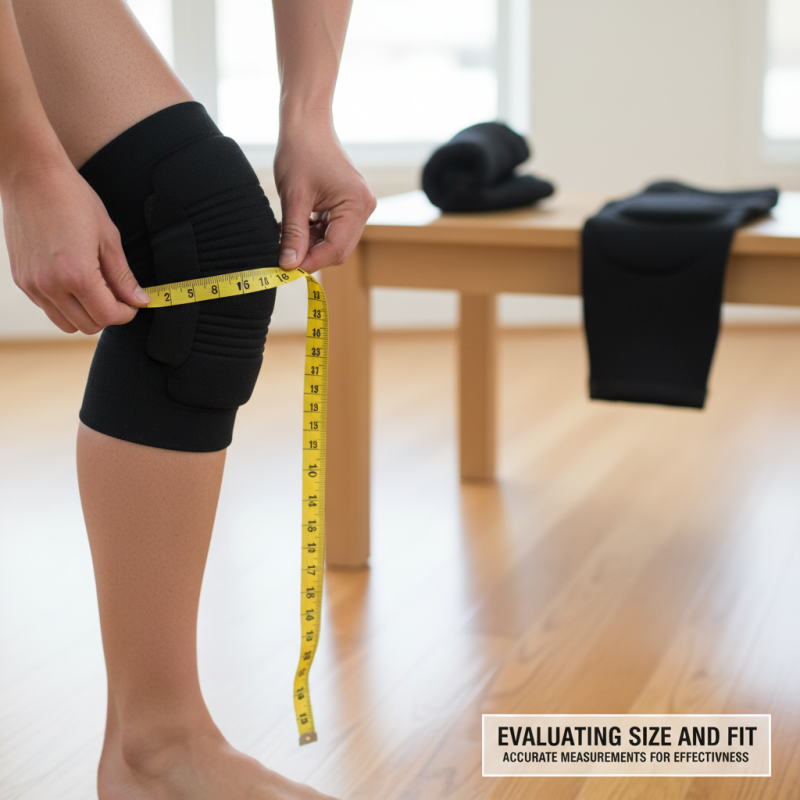
Finding the right knee sleeve is essential for support and comfort. However, many people overlook the importance of accurate sizing. A sleeve that is too tight can restrict blood flow, while one that is too loose won’t provide adequate support. Measuring the knee is the first step. Use a flexible tape measure to get your knee circumference. It's best to measure while standing, as this position can help capture the true size.
Take time to compare your measurements with sizing charts. These charts often categorize sleeves by their intended use, such as athletic activities or daily wear. Try different styles; some sleeves may fit better based on the material used. Remember, not every sleeve will suit every person. It's common to encounter discomfort with a specific sleeve even if it falls within the recommended size.
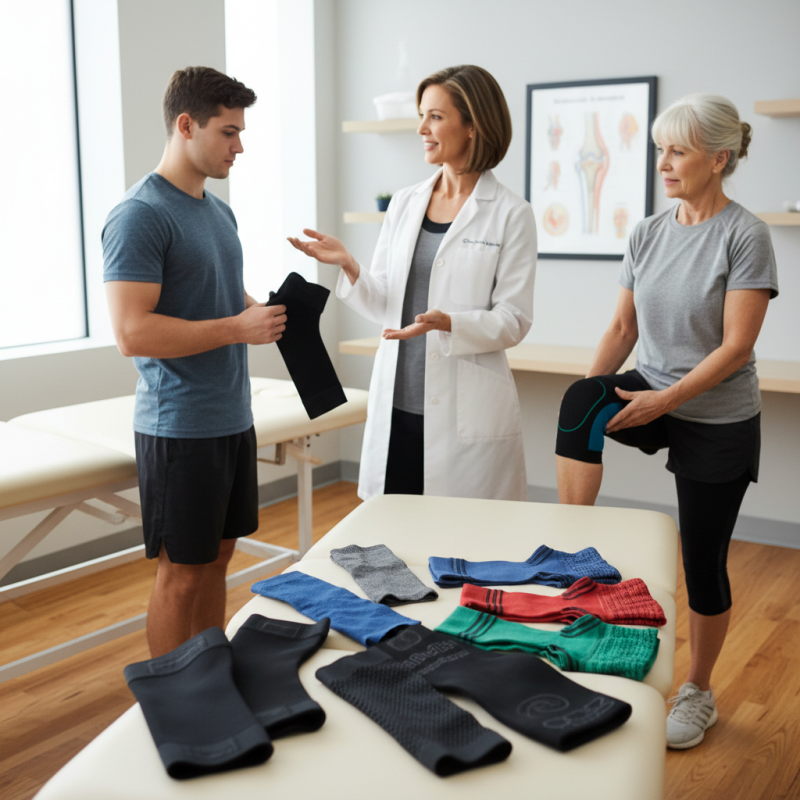
Consulting professionals, like physiotherapists, can be beneficial. They often have insights into what works best for specific needs. Don't rush the process. Experimenting with different options helps you understand your preferences better. Ultimately, the right fit can significantly enhance your performance and well-being. Investing time in this step can prevent further issues down the line.
Analyzing Support Levels: How Different Sleeves Offer Varied Knee Stability
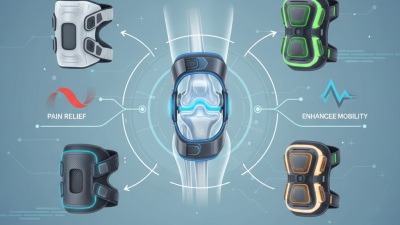
When selecting knee sleeves, understanding support levels is critical. Various models use differing materials and designs to offer unique stability and compression. For example, neoprene sleeves provide warmth and can enhance blood flow. They usually support mild to moderate instability. These sleeves are often preferred by athletes recovering from minor injuries.
Research from the Journal of Sports Rehabilitation suggests that compression sleeves can reduce swelling. They also may help in pain management during activity. A study found that 70% of participants noticed improved knee stability while using compression sleeves. Yet, not all sleeves are suitable for every injury. Some individuals may find high-compression sleeves restrictive. This can lead to discomfort, which is counterproductive.
Choosing the ideal knee sleeve means considering your level of activity and personal needs. A thicker sleeve can offer more support, but may limit mobility. Conversely, a thinner model allows greater range but less protection. Finding the right balance is essential. Each individual’s experience can vary significantly, necessitating a trial-and-error approach to determine what works best for you.
Identifying Your Activity Level: Choosing Sleeves for Sports vs. Daily Use
When selecting knee sleeves, understanding your activity level is key. Different activities require varying support from knee sleeves. Athletes or those engaged in high-impact sports often need sleeves with higher compression. A report from the American Journal of Sports Medicine indicates that compression can enhance blood flow and reduce swelling. For sports like basketball or soccer, look for sleeves that provide stability without restricting movement.
In contrast, daily use knee sleeves should prioritize comfort over compression. Many individuals who work long hours on their feet or have sedentary jobs may benefit from moderate support. A study published in the Journal of Rehabilitation Research shows that even mild compression can alleviate discomfort in those with chronic knee issues. Thus, choosing the right knee sleeve hinges on understanding whether your primary need is for athletic performance or everyday comfort and support. It’s important to reflect on your activities and how your knees feel at the end of the day. Your choice of sleeve reflects this.
Considering Medical Conditions: Selecting Knee Sleeves for Injury Recovery and Pain Relief
When selecting knee sleeves for injury recovery, consider your specific medical condition. Conditions like arthritis, ligament tears, or patellar tendonitis require different support levels. Research from the Journal of Sports Medicine indicates that 30% of athletes suffer from knee injuries. Proper support is crucial for recovery.
Knee sleeves serve multiple purposes, such as providing compression and enhancing circulation. Compression can reduce swelling and alleviate pain. According to a study published in the International Journal of Sports Physical Therapy, compression can lead to significant improvements in pain relief for those with chronic knee issues. Yet, not all sleeves are created equal. Inadequate fit or material can hinder recovery instead of aiding it.
Monitoring symptoms during use is vital. If knee pain persists or worsens, reevaluating your choice of sleeve may be necessary. Remember, a sleeve may not provide the full solution if paired with incorrect exercise techniques or inadequate rest. Choosing wisely involves assessing not just the sleeve's features but also your overall recovery strategy.