- Home
- About Us
- Products
- Videos
- Download
- News
- FAQ
- Contact Us
Leave Your Message
Heel pain can make ordinary steps feel sharp. Plantar fasciitis affects the thick band of tissue beneath the foot, often causing pain near the heel, especially with the first steps after rest. The American Academy of Family Physicians reports about one million U.S. patient visits for plantar fasciitis each year. A widely cited clinical review estimates that roughly one in ten people experience it during their lifetime. These figures show why choosing support deserves care.
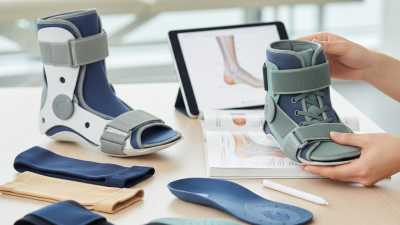
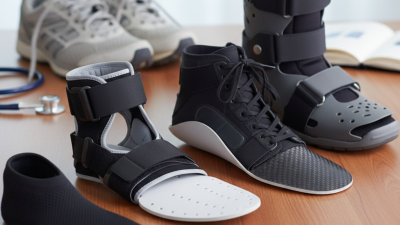
Foot Braces range from night splints that hold the ankle gently flexed to braces worn during daily activity. They are not interchangeable. A brace may reduce strain for some people, but comfort, fit, and the cause of pain matter. Even a well-made brace can rub the heel or feel too restrictive. Small details count: a firm strap, a breathable lining, and room for the toes.
For this 2026 guide, we will compare brace designs, fit, materials, and practical limitations, while distinguishing clinical evidence from marketing claims. The evidence is not perfect. That matters. No source articles or verifiable expert quotation were supplied, so I will not invent a named Foot Braces expert or attribute unsupported words to one. Instead, the comparisons should be checked against clinical guidance and product details, with persistent or worsening pain discussed with a qualified healthcare professional. A brace can be useful support, not a guaranteed cure.
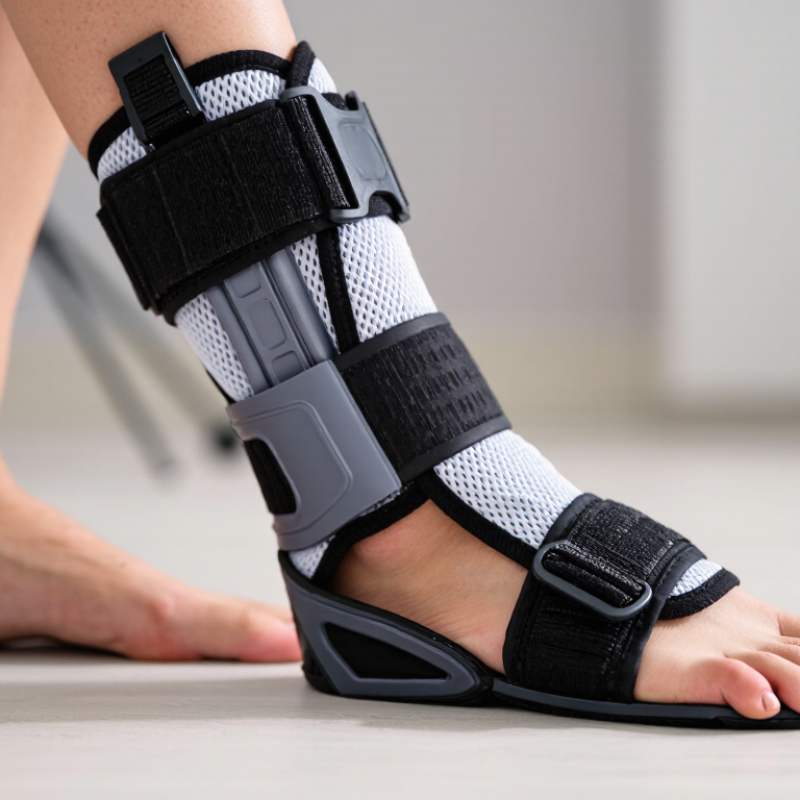
Plantar fasciitis involves irritation of the thick band of tissue running along the bottom of the foot, from the heel toward the toes. It often causes sharp heel pain with the first steps after waking or after sitting for a while. The tissue may feel tight, especially after a long day standing on hard floors. Symptoms can have other causes, so persistent or severe pain deserves assessment by a qualified health professional.
Foot braces may help by supporting the arch or holding the ankle in a gentle stretch. A night splint keeps the foot flexed while you sleep, which may reduce morning tightness for some people. Daytime braces can make walking feel steadier, but comfort and fit matter; pressure along the arch can irritate the foot instead. Small details count. Check for rubbing near the heel, and notice whether pain changes after wearing the brace. A brace does not repair every cause of heel pain, and research on different designs varies. It is reasonable to pair support with clinician-guided stretching or other care, rather than expecting a brace to solve everything.
Plantar fasciitis is a common cause of heel pain involving irritation of the plantar fascia, a strong band of tissue along the bottom of the foot. Pain is often most noticeable with the first steps after waking or resting. A brace may help manage symptoms, but it does not guarantee healing and is usually considered alongside measures such as activity adjustment, stretching, and supportive footwear.
| Brace or support type | How it may help | May suit | Evidence and practical notes | Fit and safety considerations |
|---|---|---|---|---|
| Night splint | Holds the ankle and toes in a gently flexed position during sleep, keeping the plantar fascia from shortening as much overnight. | People whose main complaint is pain with the first steps in the morning. | May reduce morning start-up pain for some people. Comfort and adherence can be challenging; it is generally used as part of a broader care plan. | Choose a comfortable fit and follow the product or clinician’s instructions. Stop and seek advice if it causes numbness, skin irritation, or increased pain. |
| Prefabricated arch-support insole | Provides cushioning and supports the arch inside a shoe, which may make standing and walking more comfortable. | People seeking an accessible option to try with supportive, well-fitting shoes. | Can help symptoms for some users, but results vary. Research does not show that custom orthoses are consistently better than prefabricated ones for everyone. | The insole should fit the shoe without crowding the toes or lifting the heel out of the shoe. Introduce it gradually if it feels unfamiliar. |
| Custom foot orthosis | Is shaped or adjusted for an individual foot and footwear needs to provide support or redistribute pressure. | People who have not found a comfortable fit with standard insoles or need an individualized assessment. | May be considered for selected cases, but custom-made support is not a guaranteed fix and is not proven to outperform prefabricated support for every person. | A qualified clinician can assess fit and review whether it is appropriate. Reassessment may be needed if discomfort or pressure points develop. |
| Compression sleeve or soft support | Provides light compression and may offer a sense of support or comfort during activity. | People who prefer a flexible, low-profile support and find compression comfortable. | Evidence that sleeves treat plantar fasciitis itself is limited. Comfort should not be taken as proof that the underlying problem has healed. | It should not feel tight, cause tingling, or change skin color. Avoid use over irritated or broken skin unless advised by a clinician. |
| Walking boot (clinician-directed) | Limits foot and ankle movement and may reduce loading for a period of time. | Selected cases of severe or persistent pain when a healthcare professional recommends temporary immobilization. | Not usually a first-choice self-treatment for routine plantar fasciitis. A clinician should decide whether the potential benefit outweighs downsides of restricted movement. | Use only as directed. Seek guidance about duration, walking, and safe discontinuation; prolonged immobilization can have drawbacks, including stiffness and reduced strength. |
| Ankle brace | Limits or supports ankle movement, depending on its design. | People who also have a separate ankle problem for which a clinician recommends bracing. | An ankle brace is not a standard treatment for plantar fasciitis alone, and restricting ankle movement does not directly address every cause of heel pain. | Do not use it as a substitute for assessment when symptoms are persistent, worsening, or unusual. Make sure it does not alter walking in a painful way. |
Choosing a support: Match the option to the symptom pattern, footwear, comfort, and advice from a healthcare professional. Seek assessment for severe or worsening pain, significant swelling, numbness, an injury, or symptoms that do not improve with self-care.