7 Tips for Choosing the Best Knee Braces
Choosing the right Knee Braces is more than comparing prices, colors, or online ratings. The global knee braces market continues to expand. Grand View Research estimates that the market could reach approximately USD 2.4 billion by 2030, supported by sports injuries, osteoarthritis, and post-surgical recovery needs. Fortune Business Insights also identifies rehabilitation and injury prevention as major demand drivers. However, market growth does not guarantee personal suitability.
A brace that feels supportive in a store may pinch behind the knee during a long walk. It may also slide when sweat builds during training. Sports medicine physician Dr. David Geier offers an important reminder: “A brace is not a substitute for rehabilitation.” That warning deserves attention. Knee Braces can improve stability, reduce unwanted movement, or provide compression, but they cannot correct every underlying problem. Pain may come from ligament damage, arthritis, muscle weakness, or poor movement patterns.
This guide presents seven practical tips for choosing a safer, more suitable option. It considers brace purpose, support level, sizing, materials, comfort, activity demands, and professional guidance. Read the label carefully. Measure your knee accurately. Check whether the product suits your diagnosis, not just your symptoms. Even experienced shoppers can choose badly when marketing promises sound too certain. The perfect brace may not exist. A useful one should stay secure, allow necessary movement, and support a broader recovery plan. When swelling, locking, numbness, or persistent pain appears, consultation with a qualified clinician is more reliable than another product review.

Understanding Knee Brace Types and Their Uses
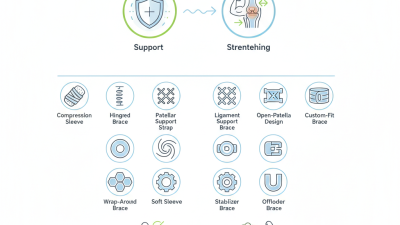
Choosing a knee brace starts with identifying the problem, not choosing the most rigid design. A compression sleeve can provide warmth, light support, and gentle pressure during walking or exercise. It may suit mild discomfort or swelling. A patellar strap sits below the kneecap and can reduce strain during repetitive movement. It is often considered for tendon irritation. Hinged braces offer side-to-side support after certain ligament injuries. They should fit securely, not painfully. Too tight is a warning sign.
Unloader braces shift pressure away from one side of an arthritic knee. They may help selected users, but proper fitting matters greatly. Post-injury or post-surgery braces require professional guidance, especially when movement must be limited. Measure your thigh, calf, and knee as instructed. Check whether the brace slips, rubs, or causes numbness. Test it briefly at home before wearing it outdoors. Small mistakes matter. A brace cannot correct every cause of knee pain. Pain, swelling, weakness, or locking deserves assessment by a qualified clinician. My practical advice is to reassess the brace after several uses, because comfort can change with swelling and activity. More support is not always better.
7 Tips for Choosing the Best Knee Braces - Understanding Knee Brace Types and Their Uses
| Tip |
Knee Brace Type |
Best Suited For |
Typical Support Level |
Main Features |
Use and Fit Guidance |
| 1. Match the brace to your goal |
Compression Sleeve |
Mild swelling, general support, and everyday activities |
Light |
Stretch fabric provides gentle compression and warmth without rigid hinges |
Choose a snug, wrinkle-free fit. It should not cause numbness, tingling, skin discoloration, or increased pain. |
| 2. Consider kneecap tracking |
Patellar Stabilizing or Open-Patella Brace |
Mild kneecap instability, anterior knee discomfort, or patellar tracking concerns |
Light to moderate |
A padded ring, buttress, or opening helps guide and support the kneecap |
Position the patellar opening or buttress correctly over the kneecap. Stop use if instability or pain worsens. |
| 3. Identify ligament support needs |
Hinged Knee Brace |
Medial or lateral support during recovery from ligament sprains or for activity-related stability |
Moderate to high |
Side hinges limit unwanted movement while permitting controlled bending and straightening |
The hinge should align with the knee joint. Use professional guidance for suspected ligament tears or significant instability. |
| 4. Target tendon-related discomfort |
Patellar Tendon Strap |
Mild patellar tendon irritation during jumping, running, or other repetitive activity |
Light |
A narrow band applies localized pressure below the kneecap |
Place it directly below the kneecap, not over the kneecap. It should feel supportive but never restrict circulation. |
| 5. Account for arthritis location |
Unloader or Offloader Brace |
One-sided knee osteoarthritis affecting primarily the medial or lateral compartment |
Moderate to high |
Uses a frame and adjustable forces to shift load away from the affected side of the knee |
Correct alignment and adjustment are essential. A clinician or orthotist should help select and fit this brace. |
| 6. Follow post-injury restrictions |
Knee Immobilizer |
Short-term protection after certain injuries or procedures when the knee must remain mostly straight |
High |
Rigid supports restrict knee motion and help maintain an extended position |
Use only according to medical instructions. Prolonged immobilization can contribute to stiffness and muscle weakness. |
| 7. Prioritize adjustability and safety |
Functional or Multi-Strap Brace |
Activity-related instability when adjustable compression and motion control are needed |
Moderate |
Multiple straps allow adjustment of compression and positioning during movement |
Measure according to the fitting instructions and check the skin after use. Seek medical advice for severe pain, swelling, deformity, or inability to bear weight. |
Note: A knee brace can support comfort and movement, but it does not replace diagnosis or rehabilitation. Persistent symptoms or a significant injury should be assessed by a qualified healthcare professional.
Checking Fit, Comfort, and Range of Motion
7 Tips for Choosing the Best Knee Braces
Checking Fit, Comfort, and Range of Motion
A knee brace should feel secure, not restrictive. Measure your thigh and calf according to the manufacturer’s instructions. Compare both measurements with the sizing chart, since knee shapes vary widely. A brace that slips during walking cannot provide reliable support. Try it over the clothing you normally wear. Then bend your knee slowly. Watch for pinching behind the knee or pressure along the kneecap.
Comfort matters during real movement. Walk across a room, climb a few steps, and sit down. Notice whether the brace rubs your skin or traps heat. Soft, moisture-managing fabric may help during longer use. However, extra padding can make a brace bulky. Less is sometimes better. Check the straps while your leg is relaxed and slightly bent. Tighten them enough to prevent movement, but never cause numbness, tingling, or skin discoloration.
Range of motion deserves careful attention. You should be able to straighten and bend the knee without fighting the brace. Hinged designs may control unwanted movement, yet they can feel awkward at first. Practice with short sessions and inspect your skin afterward. Pain that increases, swelling below the brace, or unusual weakness requires prompt medical advice. I have found that people often choose strong support too quickly. A clinician or physical therapist can match the brace to your injury, activity, and recovery stage. Availability does not equal suitability.
7 Tips for Choosing the Best Knee Braces
Check fit, comfort, stability, and range of motion before selecting a knee brace. The chart shows approximate peak knee-flexion angles commonly reported for everyday activities.
Knee-flexion requirements vary by person, technique, joint condition, and measurement method. A brace should provide the needed support without unnecessarily restricting the motion required for your activities.
Seven Practical Selection Tips
- Measure the fit: Follow the manufacturer’s measurement instructions and check that the brace stays in position without excessive pressure.
- Match the support level: Choose a sleeve, wraparound, hinged, or rigid design according to the required level of stability and medical guidance.
- Check comfort: Look for breathable, moisture-managing materials and padding that reduce rubbing during extended use.
- Preserve range of motion: Confirm that the brace allows enough flexion for walking, stairs, sitting, cycling, or other planned activities.
- Inspect joint alignment: Hinges should sit near the natural knee joint line and should not pinch or shift during movement.
- Test movement gradually: Walk, sit, climb a step, and bend the knee slowly before using the brace for sports or prolonged activity.
- Seek professional advice when needed: Persistent pain, swelling, numbness, instability, or recent injury should be assessed by a qualified healthcare professional.
Evaluating Materials, Durability, and Adjustability
7 Tips for Choosing the Best Knee Braces
Materials, durability, and adjustability matter more than a sleek appearance. The World Health Organization reports that 1.71 billion people live with musculoskeletal conditions worldwide. That scale makes informed support selection important. Choose breathable neoprene for warmth, or perforated fabric for better airflow. Check whether the material irritates skin after thirty minutes. Small details matter.
Inspect the stitching, hinges, and edge binding. Strong seams should stay flat when you bend your knee. Avoid braces that twist, pinch, or lose shape quickly. Look for clear care instructions and washable components. A brace should tolerate repeated use, but no material lasts forever. That is easy to forget. Replace stretched straps or cracked hinges promptly.
Adjustability deserves careful testing. Fasteners should hold during walking, stairs, and gentle squats. Try the brace over the clothing you normally wear. It should feel secure without causing numbness, swelling, or cold toes. A 2023 systematic review in the Journal of Orthopaedic & Sports Physical Therapy found that brace benefits vary by condition and design. Fit remains highly individual. Ask a qualified clinician to check alignment when pain persists. An uncomfortable brace is not a successful brace.
Choosing Reliable Brands and Setting a Practical Budget
Choosing a reliable knee brace starts with evidence, not attractive packaging.
Look for clear manufacturer details, complete sizing charts, material information, and accessible customer support. A trustworthy company explains the brace’s intended use without promising instant healing. It should also provide care instructions and a reasonable return policy. Independent reviews can help, but repeated comments about slipping, broken hinges, or unclear sizing deserve attention.
I have found that fit matters more than impressive features.
Measure your knee as instructed, preferably at the same time each day. Check whether the brace stays secure during walking, stairs, or light exercise. A physiotherapist can help match the design to your movement needs. Do not rely only on online ratings. Some reviews are vague, outdated, or influenced by expectations.
Set a practical budget before comparing options.
Include shipping, replacement straps, cleaning supplies, and possible follow-up advice. A very cheap brace may stretch quickly, while an expensive model may include features you never use. My first estimate was wrong. I focused on the price and ignored adjustment quality. A better approach is to compare comfort, durability, warranty terms, and return conditions together. Keep the receipt.
Stop using the brace if it causes numbness, swelling, skin damage, or worsening pain, and seek qualified medical advice.