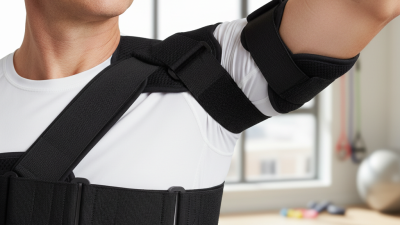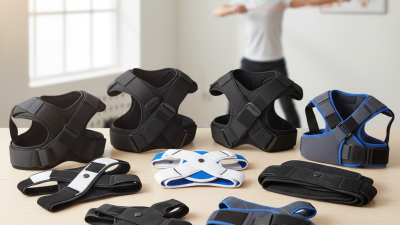
Shoulder pain can make ordinary movements feel surprisingly difficult. Reaching for a cupboard, dressing, or sleeping comfortably may become daily challenges. Shoulder Braces offer targeted support during these moments. They can limit painful motion, reduce strain, and provide gentle compression around the joint.
Sports medicine physician Dr. David Geier has shared a practical principle: “A brace should support movement, not replace rehabilitation.” That distinction matters. A brace may help stabilize an injured shoulder after activity, during early recovery, or while completing selected exercises. It cannot repair a torn tendon or correct poor movement patterns. Proper assessment remains essential.
Fit matters greatly. The brace should feel secure, not restrictive. Fingers should remain warm and normally colored. Excessive pressure can cause numbness, skin irritation, or uncomfortable stiffness. A physiotherapist or orthopedic clinician can recommend the appropriate design, support level, and wearing schedule. Personal experience also matters. Some users feel immediate confidence, while others find straps awkward or overly warm.
No single brace suits every shoulder. A compression sleeve may help mild soreness, while a stabilization brace may suit specific injuries. However, choosing one from appearance alone can lead to disappointment. Recovery is rarely linear. Pain may improve, then return after one busy day. That does not always mean failure, but it deserves review. This guide explores how Shoulder Braces support recovery, when they may help, and where their limits become important.
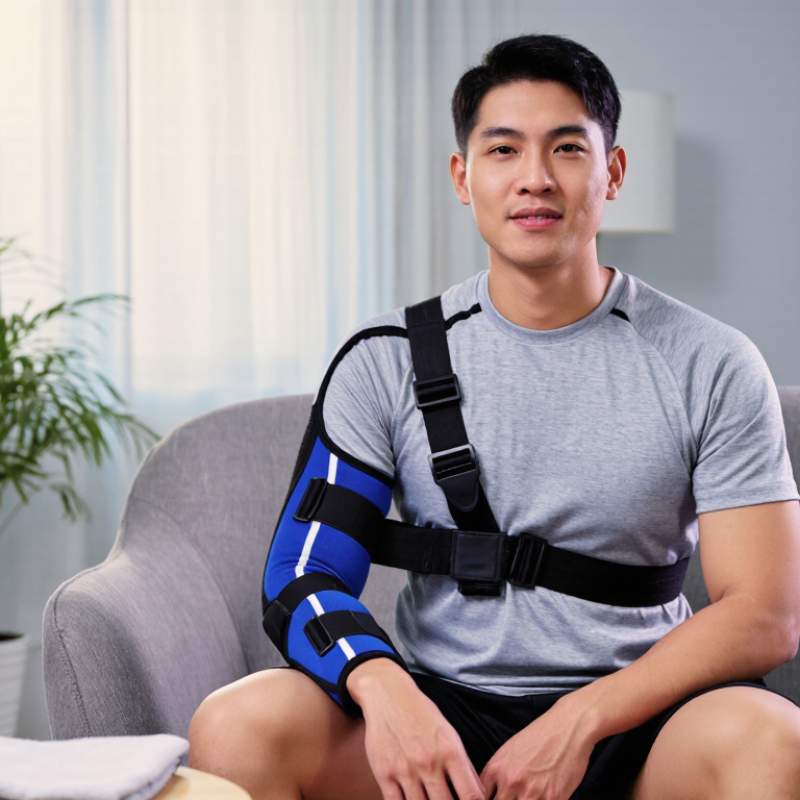
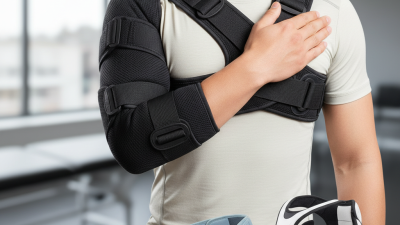
A shoulder brace is a wearable support that helps limit painful or unsafe shoulder movement. It may include straps, fabric panels, padding, or adjustable compression. Some designs hold the arm close to the body. Others support the joint while allowing controlled motion. The brace does not repair torn tissue. It mainly changes how forces travel through the shoulder during daily activities.
In practice, a brace can reduce strain when lifting, reaching, or sleeping. It may also remind you to avoid sudden movements after an injury. Proper fit matters. The brace should feel secure, not numb or restrictive. Your fingers should remain warm and normally colored. A medical professional can recommend the right support after examining your pain, movement, and injury history. Wearing one continuously without guidance can create stiffness or weaker muscles. That point is easy to overlook.
Tips: Check the skin after removing the brace. Look for redness, swelling, or pressure marks. Keep the shoulder gently moving if your clinician allows it. Do not use support to push through sharp pain. If weakness, tingling, severe swelling, or worsening pain appears, seek qualified medical care promptly. A brace is helpful support, not a complete recovery plan.
| Topic | What It Means | How a Shoulder Brace May Help | Important Considerations |
|---|---|---|---|
| What is a shoulder brace? | A wearable support that fits around the shoulder, upper arm, chest, or back to provide compression, positioning, or movement guidance. | It can provide external support and help remind the wearer to maintain a more controlled shoulder position. | A brace does not repair an injury or replace professional diagnosis and rehabilitation. |
| Compression | Gentle, even pressure applied to soft tissues around the shoulder. | May improve a sense of stability and body awareness during daily activities or exercise. | The brace should feel supportive, not painful, restrictive, numb, or tingling. |
| Movement control | Some braces use straps or panels to discourage excessive shoulder movement. | May limit aggravating positions and support safer movement while tissues recover. | Excessive immobilization can contribute to stiffness and weakness unless specifically prescribed. |
| Posture awareness | Certain designs provide gentle cues around the shoulders and upper back. | May encourage awareness of rounded-shoulder positions during work or light activity. | A brace should supplement, not replace, strengthening, mobility, and ergonomic changes. |
| Common uses | Temporary support may be considered for mild strains, activity-related discomfort, posture reminders, or recovery plans. | Can offer additional support during selected tasks when movement is tolerated. | Persistent, severe, or worsening pain requires assessment by a qualified healthcare professional. |
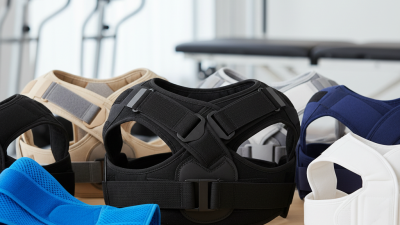
| Types of shoulder braces | Common categories include compression supports, posture-support braces, shoulder immobilizers, and slings. | Different designs provide different levels of support, from movement reminders to substantial immobilization. | The appropriate type depends on the injury, treatment stage, comfort, and advice from a clinician. |
| Fit and adjustment | A correctly fitted brace sits securely without slipping, pinching, or interfering with normal breathing. | Proper positioning helps distribute pressure and improves comfort during use. | Follow the sizing instructions and check the skin regularly for redness, irritation, or pressure marks. |
| Recovery support | Recovery usually combines appropriate activity modification, gradual exercise, and symptom monitoring. | A brace may make selected activities feel more manageable while a rehabilitation plan progresses. | Pain relief from a brace should not be used to justify returning too quickly to strenuous activity. |
| When to seek medical advice | Medical evaluation is important after significant trauma or when symptoms do not improve. | Professional guidance can identify dislocation, fracture, nerve involvement, or a more serious soft-tissue injury. | Seek prompt care for deformity, major swelling, inability to move the arm, loss of sensation, unusual weakness, or severe pain. |
Note: Shoulder braces are supportive devices and should be used according to product instructions or professional medical advice.
A shoulder brace can provide gentle support after a strain, dislocation, or surgical procedure. It may limit painful movement and remind users to protect the joint during daily tasks. The World Health Organization reported that 1.71 billion people worldwide live with musculoskeletal conditions. Shoulder problems form part of this wider burden. However, a brace does not repair damaged tissue. It supports recovery while professional assessment identifies the real cause.
People also use shoulder braces for joint instability, rotator cuff irritation, posture awareness, and controlled rehabilitation. A brace may reduce sudden reaching, especially when lifting a bag or sleeping awkwardly. Evidence remains mixed for long-term use. Prolonged immobilization can increase stiffness and weakness. That uncomfortable possibility deserves attention. The American Academy of Orthopaedic Surgeons advises following clinician guidance after shoulder injuries and operations, because support needs vary by diagnosis and healing stage.
Tips: Choose a brace that feels supportive, not restrictive. Keep your fingers warm and check for numbness, swelling, or skin irritation. Follow the wearing schedule from a qualified clinician. Do not tighten it to chase faster healing. Some users remove support too early; others depend on it too long. Both choices can delay progress. Gentle, approved exercises usually matter as much as the brace itself. Stop and seek medical advice if pain worsens, the shoulder changes shape, or movement suddenly declines.
Shoulder braces can reduce unwanted movement and remind the wearer to protect a healing joint. They may help after mild strains, instability, dislocations, or surgery. However, a brace cannot repair damaged tissue. A qualified clinician should assess the shoulder before regular use, especially after severe pain, numbness, or a visible deformity.
Shoulder braces differ by design and support level.
A compression sleeve offers light support, warmth, and body awareness during exercise or daily tasks. It usually allows broad movement.
A stabilizing brace adds straps around the upper arm and chest. This medium-support option can limit risky positions while preserving controlled motion.
An immobilizer provides firm support by holding the arm close to the body. It is commonly used for short periods after injury, but only under professional guidance.
The right level depends on the injury, activity, and healing stage. Too little support may allow painful movement. Too much can cause stiffness, skin irritation, or reduced muscle use. Fit matters greatly. The brace should feel secure, not numb or restrictive. Check the fingers for normal warmth and color. Remove it if tingling develops.
A practical detail is often missed: clothing changes the fit. A brace adjusted over a thin shirt may feel tight over a sweater. I would also question wearing one during sleep unless advised. Recovery is rarely perfectly linear, and a brace that helps today may limit progress later. Gentle rehabilitation should usually accompany bracing, with exercises selected by a qualified healthcare professional.
A shoulder brace can steady the joint while recovery is still fragile. It may limit painful elevation, reduce unwanted rotation, and remind users to move carefully. The World Health Organization reports that 1.71 billion people live with musculoskeletal conditions worldwide. Shoulder problems form part of this wider burden, especially among workers who lift, reach, or repeat overhead movements.
Daily movement remains important. A well-fitted brace can support the shoulder during dressing, light computer work, or short walks. It should not replace prescribed exercises. The American Academy of Orthopaedic Surgeons notes that temporary immobilization may help after selected injuries or procedures, while prolonged restriction can contribute to stiffness. Small support. Not a cure.
Clinical decisions should match the injury, pain level, and rehabilitation stage. A brace that feels tight, causes numbness, or changes hand color needs immediate adjustment. The CDC’s 2021 National Health Interview Survey found that 20.9% of U.S. adults reported chronic pain, showing why practical pain-management tools matter. Still, comfort can create false confidence. Users may wear a brace too long and avoid necessary movement. A physiotherapist can check fit, wearing time, and safe range of motion. Recovery is rarely perfectly linear; soreness may improve before strength returns. That part is easy to underestimate.
Shoulder braces can help support the joint and limit selected movements during recovery. The chart shows commonly used reference ranges for healthy shoulder motion; recovery targets should always be set by a qualified healthcare professional.
How this supports daily movement: By reducing unwanted motion and providing stability, a properly fitted brace may help protect healing tissues while allowing safe, gradual progress toward normal movement.
A shoulder brace can reduce unwanted movement and provide confidence during recovery. The World Health Organization estimates that 1.71 billion people live with musculoskeletal conditions worldwide (WHO, 2022). That figure includes many shoulder-related problems. A brace is support, not a cure. Persistent pain, numbness, swelling, or weakness needs professional assessment.
Choosing the right brace starts with the injury, not appearance. A clinician can match the design to instability, strain, or post-operative protection. Measure the chest and upper arm as instructed. Check whether the brace limits movement safely. Too much restriction may cause stiffness. Too little support may offer false reassurance. Fit is rarely perfect. Adjust the straps while standing, then raise the arm gently.
Wear it for the prescribed periods. Do not tighten it until fingers feel cold, pale, or tingling. Short breaks allow skin checks and gentle movement when approved. The American Academy of Orthopaedic Surgeons advises following individualized rehabilitation guidance after shoulder injury. Keep the brace dry and inspect seams, padding, and fasteners weekly. Wash it according to its care label, then air-dry it fully. Never share a used brace without proper cleaning. I sometimes expect support to feel comfortable immediately. That expectation can be wrong. Discomfort may signal poor positioning, not effective protection.