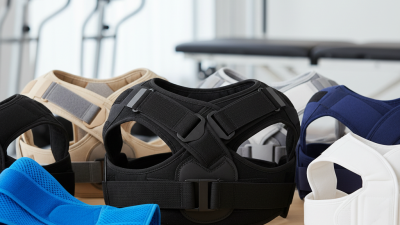
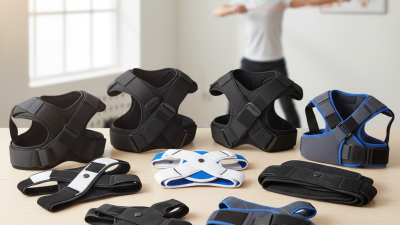
Best Shoulder Braces for Maximum Support and Comfort?
Choosing the right shoulder brace can significantly impact one’s comfort and support. Renowned orthopedic specialist Dr. Emily Thompson once stated, "The right shoulder brace provides not just stability but also the ease needed for recovery." This perspective emphasizes the importance of well-designed Shoulder Braces.
Shoulder Braces are not just simple straps; they offer crucial support during injuries. Many athletes and daily users rely on these braces for enhanced performance and pain relief. Personalized fit and proper material make a notable difference in effectiveness. An ill-fitting brace can lead to further discomfort.
While many options exist, each individual’s needs may vary. It is essential to evaluate resources before purchasing. Not every brace meets the highest standards. An informed buyer should seek guidance to avoid pitfalls. Ensuring that you select a quality Shoulder Brace might require extensive research, but the benefits are undeniably worth the effort.
Understanding the Anatomy of the Shoulder and Its Common Injuries
Understanding the anatomy of the shoulder is crucial for preventing and treating injuries. The shoulder consists of bones, muscles, tendons, and ligaments, all working together to allow a wide range of motion. The rotator cuff, a group of muscles and tendons, stabilizes the shoulder joint. When these components are injured, pain and limited mobility can result.
Common injuries include rotator cuff tears, shoulder dislocations, and tendinitis. Each condition presents unique challenges. For instance, a rotator cuff tear can limit overhead activities. Recovery often requires rest, physical therapy, and support. Finding the right shoulder brace can enhance comfort and stability during this process. However, not all braces fit well or provide adequate support for every individual.
Injuries can arise from overuse or improper techniques in sports and daily activities. It's essential to listen to your body. Ignoring pain can lead to chronic issues. Reflect on your movements and avoid pushing through discomfort. Taking preventive measures, like using a shoulder brace during activities, can be wise. Understanding your shoulder's anatomy helps you make informed choices and promotes recovery.
Types of Shoulder Braces: A Comprehensive Overview
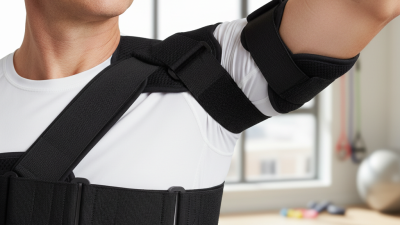
When it comes to shoulder braces, understanding the types available is crucial for effective support and comfort. Generally, shoulder braces fall into three categories: immobilizers, slings, and straps. Immobilizers provide maximum stability for serious injuries, restricting arm movement significantly. This can be crucial during the healing process. However, they may feel cumbersome, limiting daily activities and overall comfort.
Sling braces offer a balance of support and mobility. They allow users to keep their arm snug against the body while minimizing shoulder movement. This type is often recommended for mild injuries or post-surgery recovery. Users may find these more comfortable for extended wear, but they should still be cautious. Overuse can lead to stiffness if worn too long.
Lastly, straps are designed for light support and are ideal for athletic activity. They can help stabilize the shoulder during sports but do not restrict movement as much as slings or immobilizers. Individuals may feel a false sense of security, which might lead them to push through pain. It's vital to listen to your body and seek professional advice if discomfort persists.
Best Shoulder Braces for Maximum Support and Comfort
| Type |
Material |
Support Level |
Comfort Features |
Indications |
| Rigid Brace |
Plastic and Foam |
High |
Adjustable Straps, Breathable Lining |
Post-Surgery, Severe Injuries |
| Compression Sleeve |
Elastic Fabric |
Medium |
Lightweight, Moisture-Wicking |
Minor Sprains, General Support |
| Posture Corrector |
Neoprene and Nylon |
Medium to High |
Padded Straps, Adjustable Fit |
Poor Posture, Muscle Fatigue |
| Adjustable Support |
Cotton Blend |
Low to Medium |
Easy to Wear, Flexible Design |
Light Strains, Preventative Use |
Factors to Consider When Choosing a Shoulder Brace
Choosing the right shoulder brace requires careful consideration of several factors. Comfort is paramount. Materials play a critical role here. Breathable fabrics can prevent skin irritation during extended wear. Look for adjustable straps to ensure a secure yet comfortable fit.
Support level varies between designs. Studies show that adequate support can decrease recovery time by up to 30%. Consider your specific needs, such as injury type or activity level. A brace that offers good stability may be essential for athletes. However, over-support can lead to muscle atrophy over time. Individuals often overlook this; balance is key.
Ease of use cannot be ignored. A complex design can deter consistent use. Many users report frustration with unmanageable braces, leading to non-compliance with rehabilitation protocols. Regular monitoring of how the brace affects your mobility and pain levels is crucial. It aids in making necessary adjustments. Prioritizing these factors can lead to a better recovery experience.
Top Brands and Their Best-Selling Shoulder Braces
When searching for shoulder braces, many factors influence comfort and support. You want to find a brace that fits snugly without restricting movement. Adjustable designs often work best, allowing for personalized support. Breathable fabrics help to prevent overheating, especially during prolonged use. Look for features that enhance stability, like reinforced straps or ergonomic designs.
Some top brands focus on delivering quality and durability. They use innovative materials that combine elasticity and strength. These materials can absorb stress and reduce pain. Many users report significant relief from discomfort when using these braces. Reviews often highlight ease of use and versatility in daily activities. However, not every brace suits all body types. It’s essential to consider individual needs before making a choice. Often, trial and error will lead you to the best fit.
While some braces excel in performance, others may lack essential features. It’s vital to reflect on what you truly need. Consider how often you will use it and for what activities. Comfort can sometimes come at a cost, so weigh your options carefully. Balancing price and quality may lead you to a better decision in the long term.
Tips for Proper Use and Maintenance of Shoulder Braces
Using a shoulder brace effectively requires understanding its purpose and fit. Ensure the brace is snug but not overly tight. A proper fit should provide support without restricting blood flow. This balance is crucial for comfort during activities. Adjust the straps as necessary, and check the fit regularly. Over time, adjustments may be needed as your body responds to the brace.
Maintaining your shoulder brace also plays a vital role in its effectiveness. Clean it gently according to the manufacturer's guidelines. Regularly inspect the materials for signs of wear. Frayed straps or damaged fabric may reduce support. Store the brace in a cool, dry place when not in use to prevent deterioration. Remember not to rely solely on the brace for recovery; physical therapy and exercises are essential for healing.
Revisiting your usage habits can lead to better outcomes. Reflect on how often and when you wear the brace. Is it during heavy lifting or just daily activities? Understanding your routine can help optimize support. Listening to your body is key. If discomfort persists, consider consulting a healthcare professional for tailored advice.
Shoulder Brace Effectiveness Comparison