How to Find China Top Finger Splint Suppliers?
Finding China’s top Finger Splint suppliers requires more than comparing low prices. A reliable supplier should combine medical product experience, stable production, clear communication, and consistent quality control. The best choice may not be the largest factory. It should be the one that understands your product requirements and responds with useful evidence.
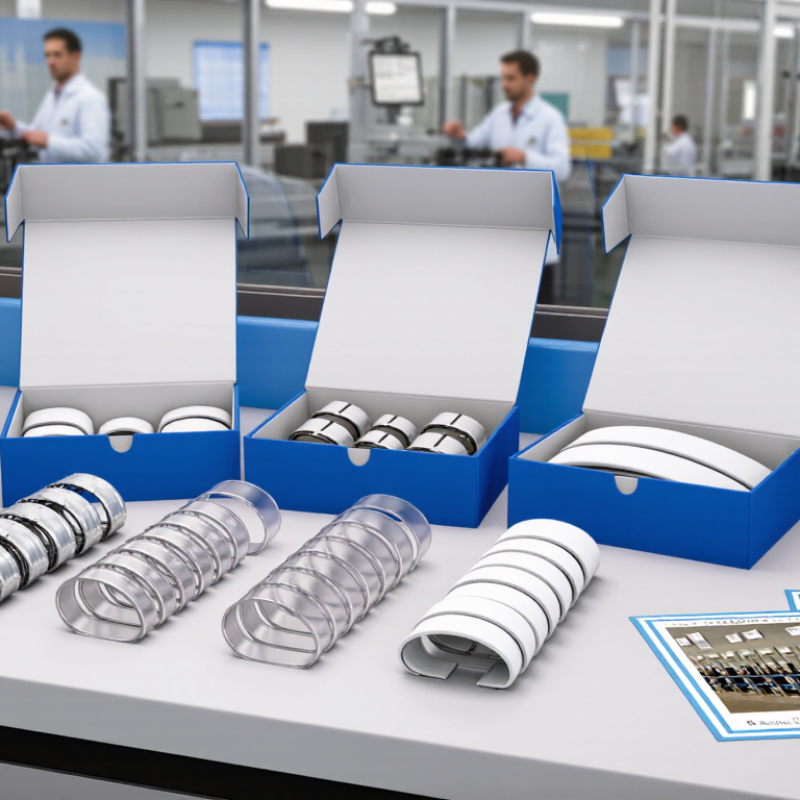
Start by checking the supplier’s manufacturing history, product range, and export experience. Request company registration details, factory photographs, sample records, and relevant quality certificates. Ask whether the splints are made from aluminum, thermoplastic materials, foam, or other specified components. A sample can reveal important details, including edge smoothness, strap strength, comfort, and packaging quality.
Small details matter.
A professional supplier should explain its inspection process clearly. Confirm how it controls dimensions, stitching, surface finishing, labeling, and final packaging. You should also discuss minimum order quantities, sample fees, customization options, production times, and after-sales support. Factory audits or independent inspections can provide stronger evidence than online profiles alone. However, no supplier check is perfect. Product photos may look impressive, while actual samples expose weaknesses. My own assessment should remain cautious, especially when communication is unusually vague or promises seem unrealistic.
A dependable sourcing process includes written specifications, agreed acceptance standards, and traceable records. It also respects applicable medical-device, labeling, import, and safety requirements in the target market. By combining practical testing, supplier verification, and professional judgment, buyers can reduce avoidable risks and build a more reliable China supply chain for Finger Splint products.
Define Finger Splints and Identify the Right Product Requirements
Finger splints are supportive medical devices designed to stabilize, protect, or gently align an injured finger. They may support fractures, sprains, tendon problems, or recovery after treatment. The correct design depends on the affected joint and the intended movement. A splint for the fingertip differs greatly from one supporting the entire finger. Small details matter.
Before contacting suppliers in China, define the product requirements clearly. Specify the finger position, support area, size range, material, padding, fastening method, and expected wearing time. For daily use, breathable foam and smooth edges can improve comfort. For clinical use, rigid support and accurate positioning may matter more. Ask for dimensional drawings, material information, sample approval, and documented quality checks.
Practical evaluation helps. Wear a sample during ordinary tasks. Check whether it causes pressure, sweating, or restricted circulation. It should stay secure without painful tightness. I have seen specifications that looked complete but missed left-hand and right-hand differences. That mistake can affect fit and user safety. Suppliers should explain their inspection process, production experience, and ability to maintain consistent sizing. Clear records, responsive communication, and realistic sample feedback reveal more than attractive product photos. A qualified healthcare professional should review requirements when the splint is intended for injury management.
Research China’s Main Finger Splint Supplier Regions and Manufacturing Clusters
China’s finger splint suppliers are concentrated inside broader orthopedic and rehabilitation manufacturing clusters. Guangdong, especially Shenzhen and Dongguan, offers flexible plastics, silicone molding, packaging, and export services. Jiangsu, including Suzhou and Changzhou, has stronger medical-device engineering and injection-molding capabilities. Zhejiang, particularly Ningbo and Taizhou, is useful for metal forming, small hardware, and cost-efficient assembly.
The China Medical Device Industry Association identifies Guangdong, Jiangsu, and Zhejiang as major medical-device production regions. These areas also support testing laboratories, mold workshops, and component suppliers. Grand View Research valued the global orthopedic braces and supports market at about USD 4.5 billion in 2023. Its report projects steady growth through 2030. Finger splints remain a smaller category, but demand follows this wider rehabilitation market.
Do not treat a dense cluster as proof of quality. During supplier research, request factory addresses, material specifications, production photos, and recent inspection records. Check whether the supplier actually molds the splint or only trades finished products. A useful visit may reveal silicone residue, uneven edges, or poorly finished hook-and-loop closures. These details affect comfort and returns. Supplier directories can be convenient, but they sometimes blur trading companies and factories. That is a weakness worth remembering. Ask for samples in several sizes, then compare stiffness, ventilation holes, edge finishing, and packaging labels before discussing volume.
How to Find China Top Finger Splint Suppliers?
China’s Main Finger Splint Supplier Regions and Manufacturing Clusters
The chart compares major Chinese sourcing regions using a regional capability coverage index.
The index counts four relevant capabilities: medical-device manufacturing, metal and plastic processing,
orthopaedic and rehabilitation products, and export logistics. Guangdong, Zhejiang, and Jiangsu combine
the broadest manufacturing ecosystems, while Shandong and Fujian are also established options for
medical, hardware, and export-oriented production. The comparison is regional and does not represent
company-level sales or market-share data.
Reference basis: publicly recognized Chinese medical-device, rehabilitation-product, hardware-processing,
plastics, mould-making, and export-manufacturing clusters.
Verify Supplier Credentials, Product Quality, and Medical Compliance
How to Find China Top Finger Splint Suppliers?
Finding a capable finger splint supplier requires more than comparing online prices. Request the company’s legal registration, manufacturing address, export history, and current quality certificates. Confirm whether the supplier operates a factory or represents another manufacturer. A video audit can reveal work areas, storage conditions, and inspection procedures. Small details matter.
Ask for product specifications, including material type, size tolerance, padding thickness, edge finishing, and adjustment strength. Request samples from different production batches. Check whether the splint feels stable without creating sharp pressure points. Review test reports for material safety, skin contact, durability, and packaging integrity. Independent laboratory reports are more useful when they show test methods and sample identification.
Medical compliance depends on the destination market. Ask which product classification applies there and whether the supplier can provide relevant registration, declarations, risk files, and traceability records. ISO 13485 certification can support confidence, but it does not prove every product is excellent. Verify the certificate with the issuing body. Also check complaint handling and recall procedures. This is often overlooked.
A supplier may send impressive documents and still deliver inconsistent batches. Keep written specifications and approve a pre-production sample. Include acceptance criteria in the contract. I would not trust a supplier based on certificates alone. My own checklist could miss local requirements, so an independent compliance review is wise. Always verify current information before placing a large order.