What Are the Top Types of Hand Braces?
A Hand Brace can look simple: fabric, straps, a molded stay, and a small opening for the thumb. Yet the right design depends on what needs support. Wrist splints limit bending, thumb-spica braces steady the thumb and wrist, and finger splints protect or position individual joints. Some supports are rigid; others allow more movement. That difference matters.
The American Academy of Orthopaedic Surgeons’ OrthoInfo resource estimates that carpal tunnel syndrome affects 3% to 6% of adults. Its 2024 clinical practice guideline also underscores that care should be matched to the condition, not chosen by appearance alone. A wrist brace may help keep the wrist near neutral, while a thumb-spica style addresses a different area. Neither is a universal fix. A brace that feels reassuring can still be poorly fitted.
Small details count. Check where the edge rests, whether fingers remain warm, and whether straps leave deep marks. The U.S. Bureau of Labor Statistics recorded 2.6 million nonfatal workplace injury and illness cases in private industry in 2023; that broad figure is not a measure of hand-brace need, but it shows why hand and wrist comfort deserves attention. Persistent numbness, worsening pain, or weakness calls for professional assessment. And sometimes, a brace is not the answer. This guide compares the main types, their uses, and the practical trade-offs worth considering before choosing one.
Wrist Braces for Stability and Support
Wrist Braces for Stability and Support
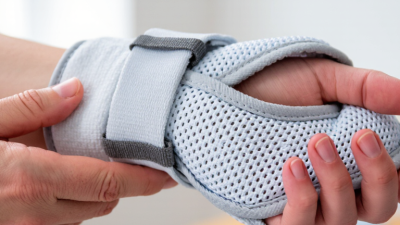
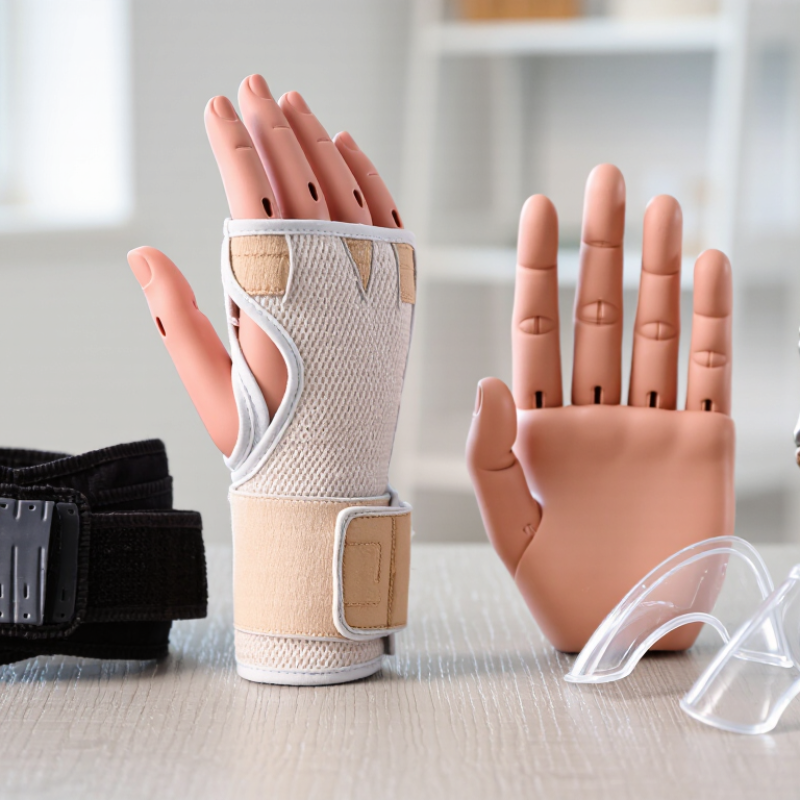
Wrist braces are designed to steady the joint and limit movements that may aggravate discomfort. Some wrap around the wrist with adjustable straps, while others include a firmer stay along the palm. The right style depends on the activity, symptoms, and advice from a qualified health professional. A brace should support movement, not make the hand feel trapped.
For everyday tasks, a flexible brace may offer gentle support while typing, carrying light groceries, or doing household work. A more structured brace can restrict bending more firmly, which may be useful when a clinician recommends limiting wrist motion. Check that the brace sits smoothly against the skin and does not press sharply near the thumb or palm. Fit matters. Fingers should remain warm and their color should not change.
It is easy to assume that tighter means better support. That is not always true; excessive pressure can cause numbness, tingling, or skin irritation. Follow the product’s fitting instructions, and take it off if these signs appear. A brace also does not explain why the wrist hurts or replace appropriate care. If pain persists, worsens, or follows an injury, seek advice from a healthcare professional. Small fit adjustments can help, but choosing a brace can still involve some trial and error.
Thumb Spica Braces for Thumb Joint Protection
Thumb spica braces support the thumb while limiting movement at its base and, in some designs, the wrist. They are often used for thumb joint irritation, sprains, or arthritis, but the right style depends on which joint needs support. Some braces leave the wrist free; others include a longer section that steadies it too. That difference matters when gripping a mug, turning a key, or holding a phone.
Fit matters.
A useful brace should feel secure without pressing painfully into the palm or thumb web. The thumb should rest in a comfortable, natural position, not be forced straight.
Not too tight.
Check the skin after wearing it, especially around the edges. Numbness, tingling, swelling, or color changes are reasons to loosen or remove the brace and seek professional advice if they persist. A brace can feel reassuring, but more support is not always better; stiffness or ongoing pain may need assessment by a clinician. Follow their guidance on wear time, since constant use can make everyday tasks harder and may limit movement more than intended.
Finger Splints for Isolating Injured Digits
Finger splints support one injured digit while leaving neighboring fingers free to move. This can help protect a small fracture, sprain, or tendon injury during daily tasks such as buttoning a shirt. The right design depends on the injury: a mallet-finger splint, for example, holds the fingertip straight, while other splints may stabilize a middle joint. Small, but precise. The American Academy of Orthopaedic Surgeons advises continuous splinting for about six to eight weeks for many mallet-finger injuries, with possible nighttime use afterward. That timeline is not universal; a clinician should confirm the diagnosis and fit.
Tips: Keep the injured fingertip in the prescribed position when changing or cleaning the splint. Check the skin daily for redness, rubbing, or sores, and make sure the finger does not become numb, pale, or unusually cold. A snug fit is not automatically a safe fit. If swelling increases or pain worsens, seek medical advice rather than tightening the splint yourself. A small detail is easy to miss: even briefly bending a mallet-injured fingertip may affect healing, so ask a clinician how to manage washing and skin care.
What Are the Top Types of Hand Braces?
Typical digit coverage by brace type
Coverage describes common designs: finger splints and thumb spica braces target one digit, buddy taping supports an injured digit alongside a neighbor, and ulnar gutter braces commonly support the ring and little fingers. Wrist braces primarily support the wrist rather than isolating a digit. Exact coverage varies by brace design and injury.
Hand and Wrist Braces for Broader Immobilization
Hand and Wrist Braces for Broader Immobilization
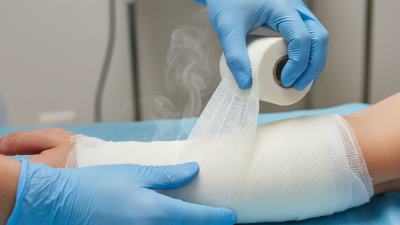
When an injury affects more than the wrist, a brace may need to support the hand and fingers too. A wrist-hand orthosis typically holds the wrist steady while leaving some fingers free. It can be used when a clinician recommends limiting wrist movement but preserving selected hand functions. For thumb injuries, a thumb-spica brace supports the wrist and thumb, often reaching toward the thumb’s base joint. A finger or hand injury may call for a gutter-style splint that steadies specific fingers and nearby joints. The right design depends on the injured area, swelling, and the movements that need limiting.
Tips: Check the fit against the care instructions. The brace should feel secure, not painfully tight. Look for new tingling, numbness, unusual color, or increasing swelling, and contact a health professional if these occur. Keep skin clean and dry under the brace. Don’t trim or reshape a fitted brace without guidance.
A broader brace can make daily tasks awkward. A mug may be harder to hold, and sleeves can catch at the edges. That can be frustrating. A reassuring fit is not proof that the brace is doing enough—or that it is safe to wear longer. Follow the prescribed schedule, and ask a clinician to review the fit if pressure marks persist or movement remains painful.
Compression Gloves for Mild Support and Comfort
Compression gloves are a mild-support option for people whose hands feel stiff or tired during everyday tasks. They apply gentle, even pressure across the fingers and palm, while leaving the fingertips exposed on many designs. The snug fabric can feel reassuring when typing, gardening, or holding a warm mug.
Small details matter.
These gloves are not rigid braces. They do not hold a joint firmly in place, and they may not suit an injury that needs immobilization. Fit is important: a glove that bunches at the knuckles can irritate skin, while one that feels painfully tight may restrict circulation. Remove it if you notice numbness, tingling, increased pain, or unusual color changes.
Not a cure.
Choose breathable fabric and check the sizing guide rather than guessing from your usual glove size. Seams, swelling, and finger length can affect comfort more than expected. Some people find compression pleasant; others dislike the pressure after a short time. That difference is worth taking seriously. For ongoing pain, swelling, or reduced hand function, ask a healthcare professional whether gloves are appropriate and what level of support you need.