How to Choose the Best Knee Sleeves in 2026?
Choosing the best Knee Sleeves in 2026 is not simply a matter of picking the thickest pair. A useful sleeve should match your activity, knee comfort, training level, and personal fit. Powerlifters may prefer firm, supportive neoprene for heavy squats. Runners often need lighter compression, flexible fabric, and less heat during longer sessions. Material thickness, stitching, sizing accuracy, and moisture control can change how a sleeve feels after thirty minutes of movement.
Fit matters most.
A sleeve that slides behind the knee can distract you during every repetition. One that feels painfully tight may restrict movement or irritate the skin. This guide examines practical details, including compression, durability, warmth, mobility, cleaning, and verified customer feedback. It also considers manufacturer testing, transparent sizing charts, and advice from qualified sports professionals. Those sources do not always agree. That is worth noticing.
No single Knee Sleeves design suits every athlete. Even experienced lifters can choose poorly when they ignore leg shape or intended use. A strong-looking product may feel uncomfortable in daily training. Marketing language can also sound more scientific than the available evidence. Therefore, this comparison focuses on realistic performance rather than dramatic promises. If you have persistent pain, swelling, or a recent injury, consult a licensed healthcare professional before training. The best choice should support movement, not hide a problem.
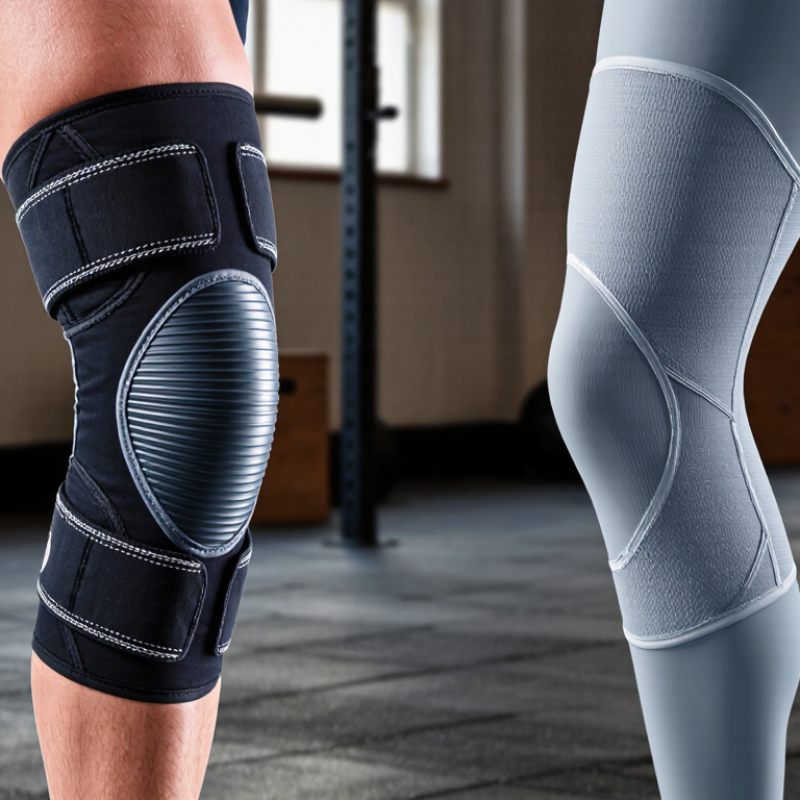
Define Your Goal: Compare 3 mm, 5 mm, and 7 mm Neoprene Knee Sleeves
Choosing knee sleeves starts with your training goal, not the thickest option.
I have found that thickness changes comfort, warmth, and movement.
A 3 mm sleeve offers light support and easier knee flexion. It suits running, cycling, mobility work, and long training sessions. Its thinner fabric feels less restrictive under fitted clothing. However, it may not provide enough compression during heavy squats.
A 5 mm sleeve
is a balanced choice for mixed strength training. It can improve joint warmth and provide useful proprioceptive feedback. During repeated squats, I notice a steadier feeling around the kneecap.
Yet, fit matters more than the number printed on the label. Measure your leg according to the manufacturer’s instructions. Check whether the sleeve rolls or pinches. A correct sleeve should feel secure, never numb.
I once chose a tight pair for extra stability, but my movement became shallow. That was a poor trade-off.
A 7 mm sleeve
is designed for maximum support during demanding strength work. Many power athletes prefer its rigid feel during heavy squats and pulls. It can retain heat, but it may limit deep knee movement.
New lifters should not assume thicker means safer. Pain, swelling, or persistent instability deserves assessment from a qualified medical professional. Sleeves do not repair an injury.
Try several controlled bodyweight squats before training heavily. Walk, bend, and sit in them. Small discomfort can become distracting after an hour.
Assess Compression: Compare 15–30 mmHg Support for Training Needs
How to Choose the Best Knee Sleeves in 2026?
Compression is measured in mmHg, meaning millimetres of mercury pressure. For training, 15–20 mmHg usually offers gentle support without feeling restrictive. It may suit walking, mobility work, cycling, or lighter gym sessions. A 20–30 mmHg sleeve provides firmer pressure. It can feel more supportive during demanding squats, lunges, or long training sessions. However, pressure ratings are not perfectly consistent across products. Fit matters more.
Measure your leg according to the sleeve’s instructions, preferably when swelling is minimal. The fabric should lie smoothly around the knee, without rolling, pinching, or leaving deep marks. You should bend your knee fully. You should also maintain normal skin colour and sensation. Do not guess. If numbness, tingling, unusual coldness, or worsening pain appears, remove the sleeve.
I used to assume tighter meant better. That was a mistake. Excessive pressure can distract you from movement and make a session uncomfortable. A properly fitted sleeve should support awareness and warmth, not replace strength or technique. People with persistent swelling, circulation concerns, recent injuries, or unexplained knee pain should seek qualified medical advice before choosing firmer compression. Your training goal matters, but your response matters more.
How to Choose the Best Knee Sleeves in 2026?
Assess Compression: Compare 15–30 mmHg Support for Training Needs
Compression is measured in millimetres of mercury (mmHg). Around 15 mmHg provides light support for mobility and warm-ups, 20 mmHg offers moderate support for everyday training, and 30 mmHg delivers firmer compression for athletes who prefer stronger support during demanding sessions. Actual pressure depends on sleeve fit, fabric stretch, and placement, so sizing should follow the manufacturer’s measurement guide.
Check Competition Rules: IPF Sleeves Allow Up to 7 mm Thickness
How to Choose the Best Knee Sleeves in 2026?
When choosing knee sleeves, check competition rules before chasing maximum thickness. IPF rules allow knee sleeves up to 7 mm thick, but that limit does not make every 7 mm sleeve legal. Material, construction, length, and fit may also matter. Always read the current IPF technical rules and confirm the event’s equipment requirements. A technical official has the final say.
In training, thicker sleeves usually create stronger warmth and compression. They can also feel restrictive during deep squats. A sleeve that folds behind your knee may cause pressure, skin irritation, or unstable movement. I have found that comfort changes after several heavy sets. That detail is easy to ignore. Measure your knee according to the manufacturer’s method, then test the sleeve during your actual squat stance. Do not judge it from a single light set.
Tips: Check the thickness carefully. Confirm competition approval before buying. Test sleeves with your lifting shoes. Watch for bunching behind the knee. Try both knees, because leg size may differ slightly. Keep the receipt if sizing feels uncertain. A smaller sleeve is not automatically better. In fact, excessive compression can distract you from technique. Also, rulebooks can change, and online product descriptions may be incomplete. Verify every specification through an official source before meet day.