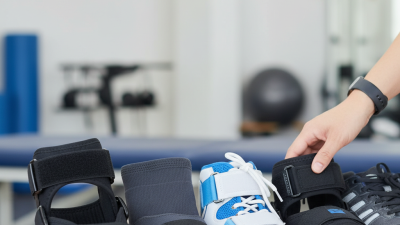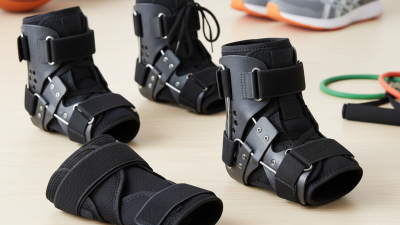
Choosing the right Ankle Braces can feel surprisingly complicated. Shelves display compression sleeves, lace-up supports, hinged designs, and rigid stabilizers. Each option serves a different purpose.
The best choice depends on your injury history, daily activity, and comfort needs. A runner may need flexible support during uneven trail miles. Someone recovering from a sprain may require firmer stabilization. A warehouse worker might value breathable materials and secure straps during long shifts. These details matter.
Fit comes first.
A brace should feel supportive, not painfully tight. Your toes should remain warm, and your skin should not develop persistent numbness or deep pressure marks. Clinical guidance commonly emphasizes matching the brace to the ankle problem, rather than choosing the strongest model available. More support is not always better. It can restrict natural movement and encourage dependence when used carelessly.
This guide compares Ankle Braces by support level, design, materials, and practical use. It also considers advice from healthcare professionals, product construction, and real-world comfort. Measuring your ankle and checking the manufacturer’s sizing chart can prevent common mistakes. Still, sizing charts are not perfect. Different brands may fit differently, even when measurements appear identical.
If swelling, instability, severe pain, or repeated sprains continues, seek assessment from a qualified clinician. A brace can support recovery, but it cannot identify the underlying cause. Your experience matters, yet professional evaluation may reveal problems that comfort alone cannot explain.
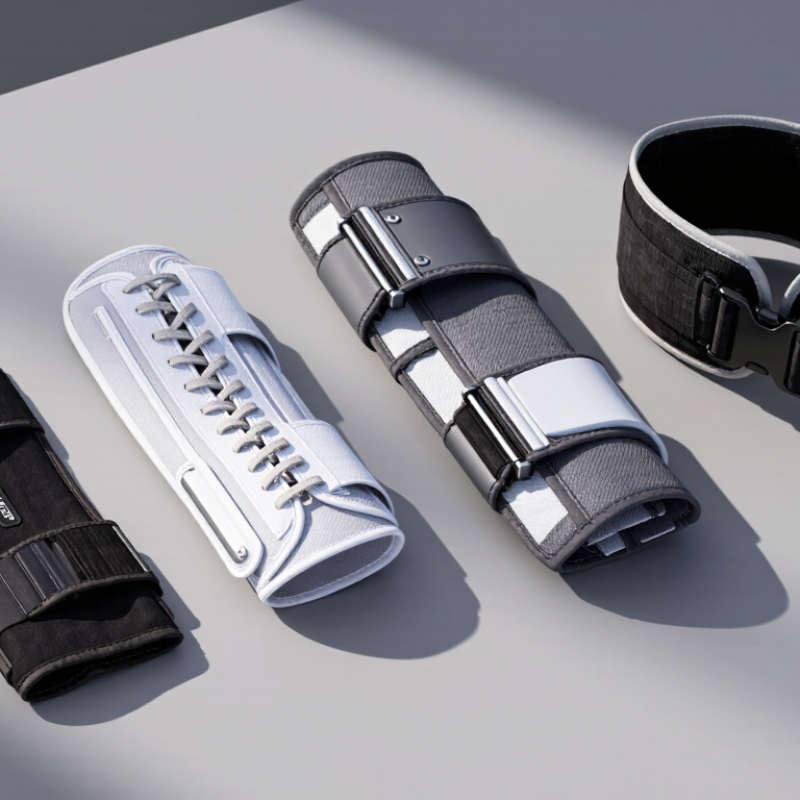
An ankle brace is an external support, not a replacement for rehabilitation. Its main functions include limiting excessive inversion, improving joint awareness, and reducing painful movement. A 2021 review in the British Journal of Sports Medicine reported that ankle sprains represent roughly 10% to 30% of sports injuries. This range varies by sport, age, and study design. That uncertainty matters.
A soft compression sleeve offers warmth, mild support, and swelling control. It may suit light activity or recovery days. Lace-up braces provide adjustable compression and restrict side-to-side motion without fully blocking movement. Semi-rigid models offer stronger protection after repeated sprains or during high-risk sports. The National Athletic Trainers’ Association position statement supports external ankle support for reducing recurrent sprains, especially when paired with balance training.
Fit changes performance. The brace should feel firm around the ankle, but your toes should remain warm and normally colored. Check for numbness after ten minutes of walking. A loose brace can shift inside a shoe. An overly tight one may irritate the skin or alter movement. This is easy to underestimate. In practice, footwear compatibility often decides whether a brace is genuinely useful. A brace cannot correct weakness, poor landing technique, or ignored pain. If swelling persists, seek assessment from a qualified healthcare professional.
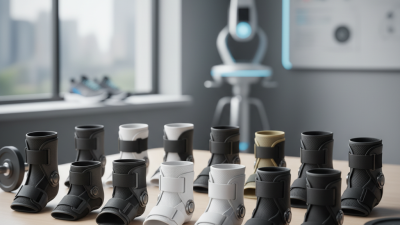
Choosing an ankle brace starts with identifying the problem, not selecting the strongest-looking model. Sports medicine surveillance reviews estimate that ankle sprains represent roughly 15–30% of sports injuries. A systematic review in the Journal of Athletic Training also reports that up to 40% of patients may develop ongoing symptoms. Your support needs may be greater than your pain level suggests.
Notice when symptoms appear. Does your ankle swell after a short walk? Does it feel unstable on stairs, uneven pavement, or during quick turns? A lace-up brace may suit recurring side-to-side instability. A sleeve may provide gentle compression for mild swelling. Rigid support can help after a significant injury, but it may restrict normal movement. Too much restriction can weaken confidence and alter your walking pattern.
Fit matters more than appearance. Measure around the ankle after swelling settles, then check that the brace does not create pressure points near the heel or ankle bones. Your toes should remain warm and normally colored. Stop using it if numbness, increasing pain, or skin irritation appears. The International Ankle Consortium recommends assessing recurrent sprains, balance problems, and movement control, rather than relying on symptoms alone. A brace cannot replace rehabilitation. Calf raises, balance drills, and gradual return to activity often matter more. I once underestimated comfort as a minor detail; after several hours, a poorly fitted brace can become the real problem. When swelling is severe or walking is difficult, professional assessment should come before choosing support.
Choosing an ankle brace starts with the injury pattern, not the appearance. A soft compression sleeve offers warmth, light swelling control, and minimal movement restriction. It suits mild soreness or return-to-walking phases. A lace-up brace adds adjustable side-to-side support. It often fits court sports and repeated ankle sprains. A semi-rigid brace gives stronger lateral control through plastic stays. A rigid brace limits motion further and may suit early rehabilitation, but it can feel bulky.
The 2021 JOSPT Clinical Practice Guideline reports that lateral ankle sprains are common in active populations and may lead to persistent instability. Research reviewed in the guideline supports external bracing during sports rehabilitation, especially when combined with balance and strengthening exercises. Support levels should therefore match function. A brace that stops every movement may protect the joint, yet it can also weaken confidence and natural control if worn too long.
Tips: Check whether your heel stays seated when walking. The brace should feel firm, never numb or sharply painful. Test it inside your usual shoe for ten minutes. Replace it if straps stretch or hard edges rub the skin. A useful correction to my own thinking: more support is not always better. A 2022 systematic review in the British Journal of Sports Medicine also links balance training with lower recurrent-sprain risk. Fit matters more than thickness, though this is easy to overlook.
Comparing Ankle Brace Types and Support Levels
Support levels are ranked from 1 to 5 based on the amount of ankle motion restriction and structural reinforcement typically provided. Ankle sleeves generally offer light compression, lace-up braces provide moderate support, stirrup braces limit side-to-side movement, and walking boots provide the highest immobilization. The right choice depends on the injury, activity, comfort, and guidance from a qualified healthcare professional.
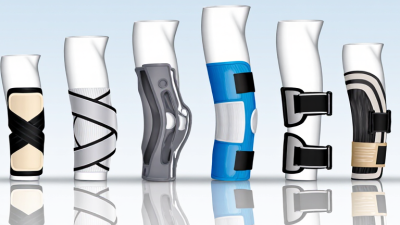
Choosing an ankle brace starts with fit, not appearance. The National Athletic Trainers’ Association reports that ankle sprains represent 10% to 30% of sports injuries. A loose brace may slide during a landing. A tight brace can cause numbness, cold toes, or pressure marks. Measure your ankle according to the manufacturer’s instructions. Then test the brace with the socks and shoes you normally wear. Walk, climb stairs, and make a controlled side step. If the heel lifts, the fit is wrong. I once underestimated sock thickness, and the brace became uncomfortable within minutes.
Comfort depends heavily on materials. Neoprene offers warmth and compression, while breathable mesh can reduce moisture during longer activities. Rigid plastic supports may improve stability, but they can restrict movement and rub against footwear. Look for smooth seams, padded edges, and moisture-managing lining. The American Orthopaedic Foot & Ankle Society notes that ankle sprains can produce lasting symptoms, so comfort may influence consistent use. Still, softer is not always better.
Adjustability matters when swelling changes through the day. Straps should secure the ankle without creating sharp pressure points. Lace-up designs often allow gradual tension changes, while hinged models may provide stronger side-to-side control. A 2018 Cochrane review found that external ankle supports can reduce recurrent sprains compared with no support. However, brace choice should match the injury and activity. My practical mistake was treating “maximum support” as automatically safer. A clinician or qualified athletic trainer can check movement, swelling, and circulation before regular use.
| Ankle Brace Type | Typical Support Level | Fit and Sizing Considerations | Comfort Features | Common Materials | Adjustability | Best Suited For | Potential Limitations |
|---|---|---|---|---|---|---|---|
| Compression Sleeve | Light | Usually selected by ankle circumference. It should feel evenly snug without causing numbness, tingling, discoloration, or excessive pressure. | Thin, flexible construction; often fits inside most shoes and can be worn for extended periods when appropriately sized. | Often nylon, polyester, spandex, or elastane blends. | Limited; fit mainly comes from the fabric's stretch. | Mild swelling, general comfort, everyday activity, and light support. | Provides limited mechanical protection and may not adequately control significant instability or acute injury. |
| Elastic Ankle Wrap | Light to Moderate | Choose a length that can wrap the ankle securely without creating tight bands or restricting normal circulation. | Soft, breathable fabric can provide a close fit; the wrap can be repositioned during use. | Elastic cotton blends, nylon, polyester, and hook-and-loop fastening materials. | Good; tension can be adjusted during application. | Mild support needs, activity-related soreness, and users who want customizable compression. | Incorrect wrapping technique may create uneven pressure, and the wrap can loosen during movement. |
| Lace-Up Brace | Moderate | Measure according to the manufacturer's instructions, commonly using ankle or shoe-related measurements. The brace should be secure without restricting toe movement or circulation. | Padded tongues, soft liners, and shaped panels can reduce rubbing. A low-profile design may fit athletic footwear. | Nylon or polyester fabric, foam padding, mesh, laces, and hook-and-loop straps. | Good; laces provide overall tension control, while straps may add targeted support. | Recreational sports, recurring ankle instability, and users who need a balance of support and mobility. | May take longer to put on, and excessive tightening can cause pressure points or discomfort. |
| Figure-Eight Strap Brace | Moderate | The heel should remain centered, and the straps should lie flat around the ankle without twisting or digging into the skin. | Open-heel designs can improve ventilation and allow more natural foot movement than rigid braces. | Elastic webbing, neoprene, nylon, polyester, and hook-and-loop closures. | Good; crossed straps allow the user to vary tension around the ankle. | Dynamic support during walking or sports when a flexible design is preferred. | Support may decrease if the straps stretch or loosen, and it may be less protective than a rigid stabilizer. |
| Stirrup Stabilizer | Moderate to High | Side supports should sit along the ankle without pressing sharply against the malleoli. Check compatibility with footwear before purchase. | Air or gel cushions may reduce impact and improve comfort around the ankle bones. | Plastic side shells, foam, air or gel inserts, fabric sleeves, and straps. | Usually good; straps can control tightness, but the side supports remain structurally fixed. | Activities requiring stronger side-to-side control and users with repeated ankle rolling. | Bulkier than sleeves or wraps and may limit shoe choice or some ankle movements. |
| Rigid or Semi-Rigid Ankle Brace | High | Precise sizing is important. The brace must stabilize the ankle while avoiding excessive pressure, skin irritation, or interference with walking. | Padding, breathable liners, and anatomical shaping can improve wearability, but the design is generally less flexible. | Molded thermoplastic, reinforced fabric, foam padding, and hook-and-loop straps. | Good to Very Good; multiple straps may allow separate adjustment of the foot and lower leg sections. | Higher-support needs, significant instability, or use during a staged return to activity when recommended by a healthcare professional. | Can be warm, restrictive, and difficult to fit inside regular footwear. Professional guidance may be appropriate. |
| Walking Boot-Style Ankle Support | Very High | Fit should be assessed carefully because the boot affects the entire foot and lower leg. The heel should remain seated and the foot should not slide forward. | May include substantial padding and a rigid sole, but weight and reduced flexibility can affect comfort. | Rigid plastic shell, foam liner, fabric cover, straps, and a molded or rocker-style sole. | Very Good; several straps can be adjusted around the foot and calf. | Short-term protection for certain injuries when specifically recommended by a healthcare professional. | Not intended for unrestricted sports use; can alter gait and should be used according to professional instructions. |
Selection reminder: A suitable ankle brace should feel secure, allow normal circulation, and match the activity and level of support required. Stop using it and seek professional advice if it causes persistent pain, numbness, tingling, skin damage, or increased swelling.
Choosing an ankle brace starts with the injury, activity, and level of support required. A mild sprain may need flexible compression, while repeated instability often requires firmer side supports. Measure your ankle according to the manufacturer’s instructions. Fit matters more than appearance. The brace should feel secure, not painfully tight. Check your toes after wearing it for ten minutes. Numbness, tingling, cold skin, or unusual color means the brace needs adjustment or removal. If swelling is severe, walking is difficult, or pain continues, seek advice from a qualified healthcare professional.
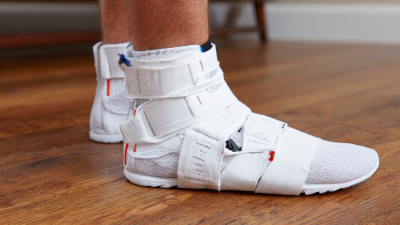
Wearing the brace correctly takes practice. Place it on clean, dry skin unless your clinician recommends a different method. Tighten straps evenly, then walk slowly for a few minutes. The brace should support movement, not completely restrict it. For sports, test it during light drills before returning to full activity. No brace solves every problem. I would not ignore weakness simply because walking feels easier. It may hide symptoms and delay proper recovery.
Tips: Wash the brace as directed and let it air-dry fully. Inspect seams, straps, padding, and fasteners each week. Replace it when support becomes loose or damaged. Keep a simple note about comfort, swelling, and activity. Small changes can reveal whether the brace is helping. Avoid sleeping in a rigid brace unless a healthcare professional advises it.