What is a Wrist Brace and How Can It Help You?
Wrist braces are crucial tools for individuals facing wrist pain or injuries. According to the American Academy of Orthopaedic Surgeons, around 50% of all repetitive strain injuries involve the wrist. This statistic highlights the importance of wrist braces in preventing and managing injuries.
Wrist braces provide support and immobilization, promoting healing. They help decrease pain, improve function, and enable daily activities. A study published in the Journal of Hand Therapy noted that 60% of participants reported reduced pain while using wrist braces.
However, the effectiveness of wrist braces varies among users. Not everyone experiences the same level of relief. Some may find them uncomfortable or restrictive. It's essential to choose the right type and fit to ensure maximum benefit. Exploring various options allows for tailored support that meets individual needs.
What is a Wrist Brace?
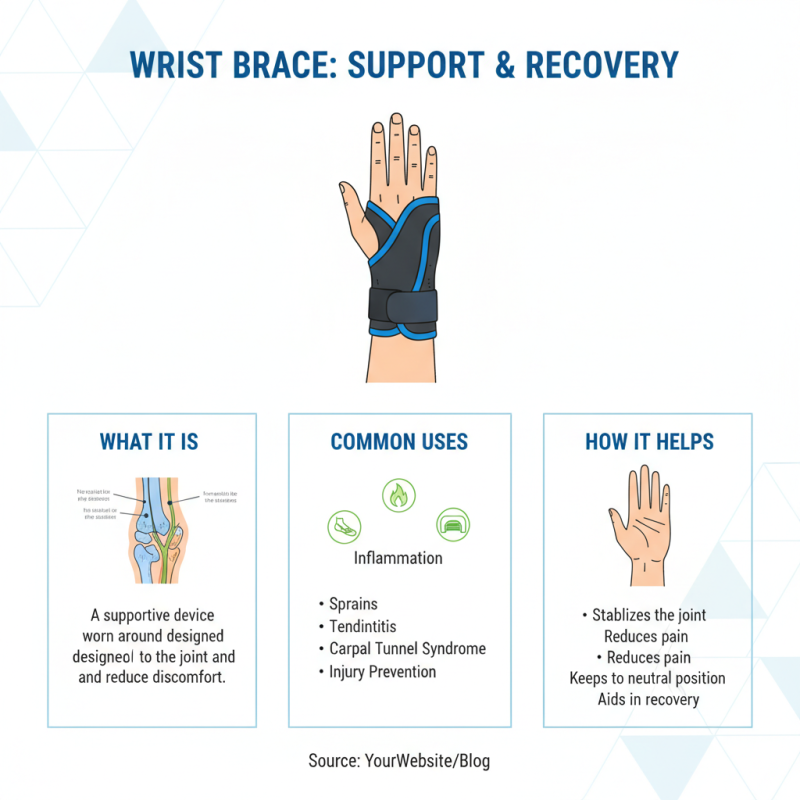
A wrist brace is a supportive device worn around the wrist. It is designed to stabilize the joint and reduce pain. People often use it for various conditions, such as sprains, tendinitis, or carpal tunnel syndrome. The brace can help keep the wrist in a neutral position, preventing further injury. This supportive structure can be crucial for recovery.
Many people underestimate the importance of wearing a wrist brace. They often think it's only for severe injuries. However, even minor sprains can benefit from support. It provides compression and warmth, which promote healing. A well-fitted brace can limit excessive movement, allowing the wrist to heal properly.
Choosing the right brace can be challenging. There are various styles available, each serving different purposes. Some may feel restrictive while others might not provide enough support. It may take time to find the best fit. Listening to your body is key. If discomfort continues, consulting a healthcare professional is important.
Types of Wrist Braces and Their Uses
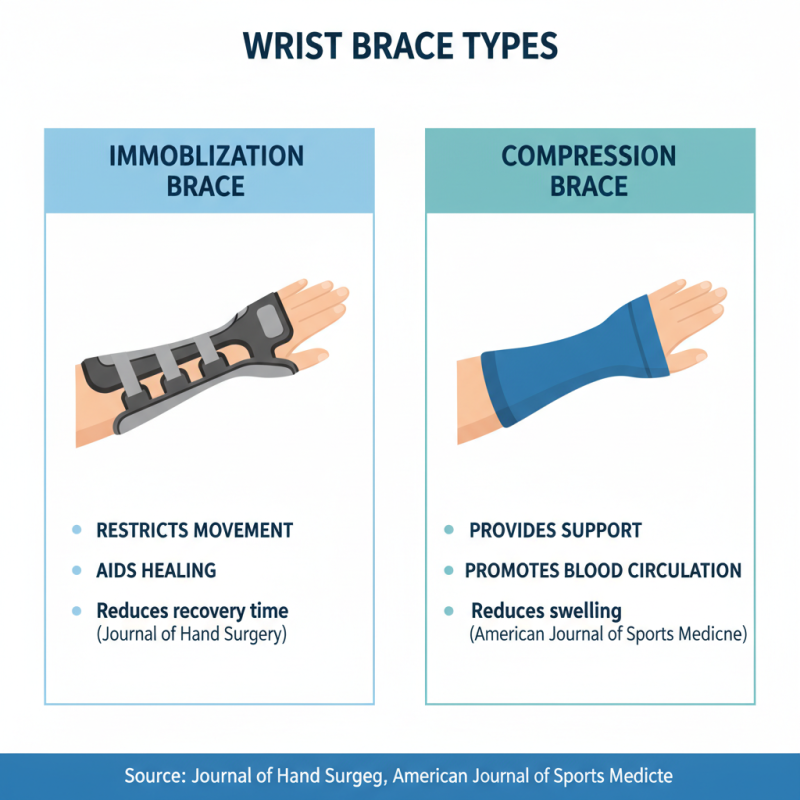
Wrist braces come in various types, each designed for specific conditions and needs. One common type is the immobilization brace, which restricts movement to aid in healing. Data from the Journal of Hand Surgery shows that immobilization can significantly reduce recovery time for wrist injuries. Another popular option is the compression brace. This type provides support while promoting blood circulation. According to a study published in the American Journal of Sports Medicine, compression braces can reduce swelling and improve recovery outcomes.
Functional braces serve yet another purpose. They support the wrist during activities and allow limited movement. Athletes often favor this type, especially in sports that require wrist strength. A report from the National Institutes of Health indicates that proper support can enhance performance and decrease the risk of re-injury. However, not all braces are suitable for every condition. Choosing the wrong type may lead to inadequate support or unnecessary discomfort.
It’s important to consult a healthcare professional before selecting a wrist brace. This can prevent mistakes that make the condition worse. The right brace can provide relief, but improper use may result in setbacks. Striking a balance between support and mobility is crucial. Understanding the various types helps ensure that you find a brace that truly meets your needs.
How Wrist Braces Provide Support and Pain Relief
Wrist braces are essential tools for those dealing with wrist pain or injuries. They provide support by stabilizing the wrist joint. This helps reduce stress on the wrist and allows for healing. According to a recent study published in the Journal of Hand Therapy, patients who used wrist braces reported a 40% decrease in pain within four weeks. This statistic highlights their effectiveness in managing discomfort.
When wearing a wrist brace, proper fit is crucial. It should provide enough support without restricting blood flow. A brace that is too tight can cause more harm than good. Adjust it regularly to find the right balance. Always consult with a healthcare professional for optimal recommendations before use.
Tip: Choose a brace that matches your daily activities. For sports, consider one that offers more flexibility. For office work, a more rigid design may help maintain alignment. Remember, not every product works for everyone. Monitor your progress and adjust your approach as needed.
When to Use a Wrist Brace: Indications and Recommendations
When considering the use of a wrist brace, identifying the right moment is crucial. A wrist brace can be beneficial for various conditions. If you experience pain from repetitive strain, a brace may provide support. This includes issues like carpal tunnel syndrome. Often, people ignore signs of discomfort. They continue their daily activities, worsening the problem.
Using a wrist brace may be necessary after an injury. Sprains or fractures often require immobilization for healing. Wearing a brace can reduce movement and alleviate pain. Some people wear them during sports or heavy lifting. This precaution can prevent further damage. However, relying solely on a brace isn’t always wise. Building strength and flexibility is important. Many forget to balance support with proper rehabilitation.
Consulting a healthcare professional is recommended. They can guide when to wear a brace and for how long. Remember, over time, dependency on braces might lead to weaker muscles. It's important to find the right approach that suits your lifestyle. Reflect on your daily habits and how they impact your wrist's health.
Usage of Wrist Braces for Various Conditions
Care and Maintenance Tips for Your Wrist Brace
Caring for your wrist brace is crucial for its effectiveness. To keep it clean, hand wash the brace in warm water. Soapy water works well to remove dirt. Don’t use bleach; it can damage the materials. Rinse thoroughly to ensure no soap remains. Air drying is best. Avoid using heat from radiators or dryers, as it may deform the brace.
Regularly check for wear and tear. Look for frayed edges or loose straps. These signs mean it may not support well anymore. If you notice any discomfort while using it, reconsider fitting or replacement. Storing your brace properly is also essential. Keep it in a cool, dry place, free from heavy pressure. Maintaining your wrist brace is a shared effort. A little attention can prolong its lifespan.