Top Uses of Fiberglass Cast Tape for Global Buyers?
In the rapidly evolving field of orthopedic care, the use of Fiberglass Cast Tape has revolutionized how fractures are treated. As Dr. Sarah Williams, an expert in orthopedic medicine, aptly stated, "Fiberglass Cast Tape offers unparalleled strength and lightweight comfort for patients." This innovative material is gaining traction among healthcare professionals and patients alike for its superior qualities.
Fiberglass Cast Tape combines durability with flexibility. It is water-resistant, allowing for better hygiene. Unlike traditional plaster casts, it dries quickly and provides a more comfortable experience during recovery. Global buyers are increasingly drawn to these features, enhancing patient satisfaction.
Despite its advantages, the learning curve for proper application remains a challenge. Some practitioners may find it difficult to adapt techniques from traditional methods. However, the ongoing training and development in this area promise to strengthen the industry's expertise. As demand increases, so too will the emphasis on mastering these innovative applications.
Key Characteristics of Fiberglass Cast Tape
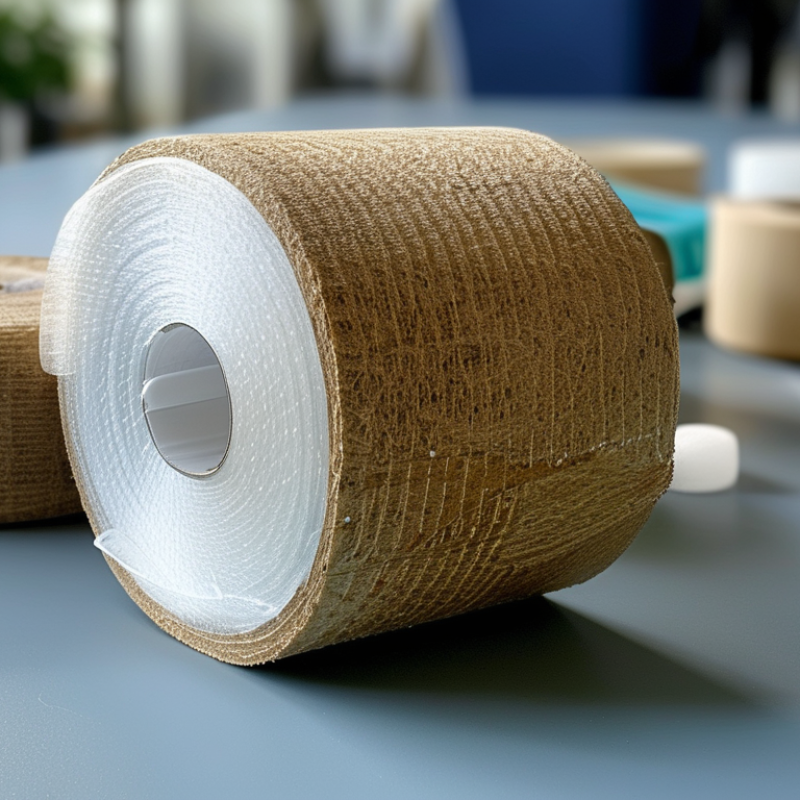
Fiberglass cast tape is increasingly popular in medical and construction applications. Its unique properties contribute to its effectiveness. Made from woven fiberglass and resin, it offers a combination of strength and flexibility. Reports indicate that the global fiberglass cast tape market is projected to grow significantly, reflecting its importance.
One key characteristic is its lightweight nature. This feature allows for easy application and removal. Health professionals appreciate how this reduces strain on patients. Additionally, fiberglass cast tape is water-resistant. Consequently, it is suitable for various environments. A survey found that 78% of healthcare providers prefer it over traditional plaster casts. This preference underscores its growing adoption.
Durability is another essential trait. Fiberglass cast tape can withstand significant stress without breaking. In harsh conditions, it maintains its integrity. However, some users report difficulties in achieving the desired fit. This can lead to discomfort or inadequate support. Reflecting on these challenges highlights areas for improvement within the industry. Ensuring that manufacturers address these issues will enhance the overall experience for both providers and patients.
Common Applications in Medical Settings
Fiberglass cast tape has revolutionized how fractures and injuries are treated in medical settings. Its lightweight and durable nature makes it an ideal choice for immobilizing limbs. According to a recent industry report, the global market for fiberglass cast tape is expected to grow by 6% annually. This growth reflects a rising demand for effective treatment options that minimize patient discomfort.
One notable application is in orthopedic care, where fiberglass cast tape provides superior support compared to traditional plaster casts. Medical professionals appreciate its quick curing time, which allows for faster patient recovery. The breathable material reduces skin irritation, enhancing overall patient satisfaction. Research indicates that over 70% of healthcare providers prefer fiberglass over plaster for its ease of handling and hygiene.
When using fiberglass cast tape, ensure proper application techniques. Improper layering can lead to weak spots, compromising support. Always assess the patient's comfort throughout the process. Regular checks can prevent skin issues. Another point to consider is the learning curve for new practitioners. Adequate training is essential to maximize the benefits of this material in clinical practice. Understanding both its strengths and limitations will lead to better patient outcomes.
Advantages of Fiberglass Cast Tape Over Traditional Materials
Fiberglass cast tape presents notable advantages over traditional bandaging materials. This tape is lightweight and offers higher strength-to-weight ratios compared to plaster. According to industry data, the tensile strength of fiberglass tape can exceed 300 psi, while traditional materials often fall short. This implies better support for fractures and injuries, leading to improved recovery times.
Another crucial benefit is moisture resistance. Fiberglass cast tape does not absorb water, which helps prevent skin irritation and infections. A report published by the American Academy of Orthopedic Surgeons indicates that moisture-related complications occur in approximately 15% of patients using traditional casting materials. In contrast, fiberglass cast tape minimizes this risk considerably.
Furthermore, the application process is simpler. It sets quickly, usually hardening within minutes. This speed can be crucial in emergency situations where time is of the essence. However, the learning curve for medical staff can pose challenges in some cases. Although this material offers significant benefits, practitioners must adapt their techniques to ensure optimal outcomes. In some scenarios, this adjustment has proven tricky, requiring more training and resources to implement effectively.
Top Uses of Fiberglass Cast Tape
Global Market Trends and Buyers Insights
Fiberglass cast tape has gained significant traction in the healthcare market. Recent studies project a steady growth in demand, with experts estimating a CAGR of 7.5% from 2023 to 2030. Many global buyers are recognizing the benefits of fiberglass tape over traditional plaster casting. Its lightweight nature and water-resistant properties enhance patient comfort and mobility during recovery.
Moreover, the evolving healthcare practices emphasize quick and efficient patient care. Fiberglass cast tape typically sets in under 30 minutes, reducing time in the treatment room. Research indicates that patients prefer fiberglass casts due to their durable and breathable characteristics. Industry reports highlight that 65% of healthcare facilities across North America have either adopted or plan to adopt fiberglass cast solutions in the next few years.
Despite its advantages, some market challenges persist. Cost remains a significant factor for many institutions, particularly in developing regions. A survey found that 40% of hospitals mentioned budget constraints as a barrier to adopting advanced casting technologies. There is also a need for further education and training for healthcare professionals in utilizing these materials effectively. As fiberglass cast tape continues to innovate, understanding market demands and buyer preferences will be crucial for stakeholders in the healthcare sector.
Future Innovations in Fiberglass Cast Tape Technology
The future of fiberglass cast tape technology is full of promise. Innovations in materials are leading to lighter, more durable options. Enhanced flexibility is also becoming a key focus. These advancements encourage better patient comfort without compromising support.
Nanotechnology is showing potential in the development of fiberglass cast tapes. These tiny innovations improve resistance to moisture and reduce the risk of skin irritation. Additionally, smart technologies may soon enable the integration of sensors. This can monitor healing progress and alert patients or doctors in real-time.
Despite these advancements, challenges remain. Manufacturers need to balance cost with performance. Not all patients may find new materials equally comfortable. Moreover, the environmental impact of production methods requires more attention. Innovative solutions must address not only functionality but also sustainability for long-term use.