Hand Brace Types and Their Benefits for Pain Relief?
Hand braces play a crucial role in managing pain and providing support. They come in various types, each designed for specific conditions. Understanding these types is essential for effective pain relief.
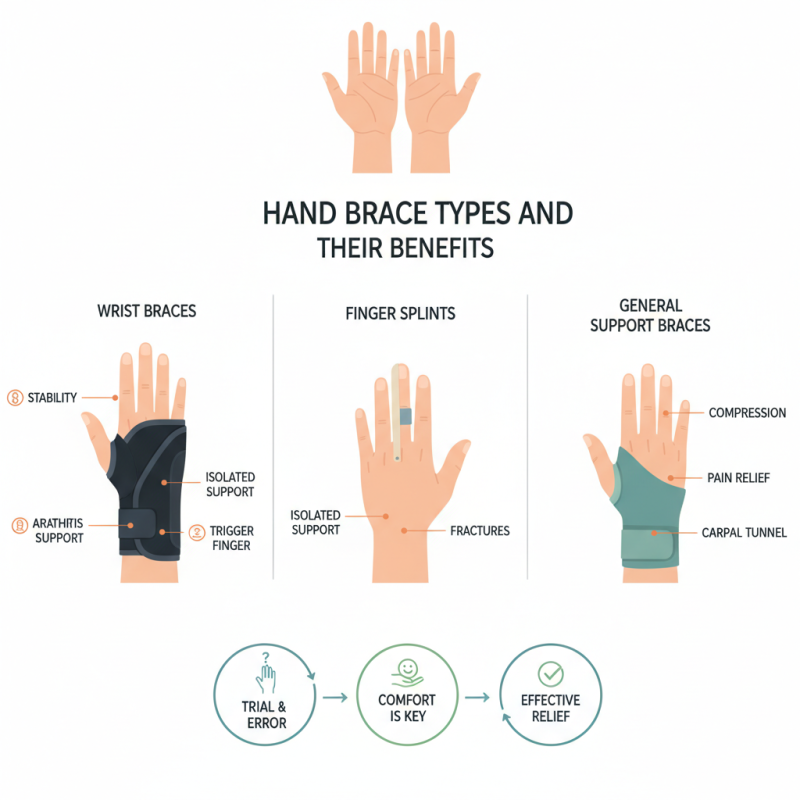
These braces can help alleviate discomfort from injuries and chronic issues. A wrist brace, for example, offers stability for those with arthritis. Its design ensures the wrist remains immobile while allowing other fingers to move. There are also splints designed for finger conditions.
Inevitably, one may question the effectiveness of a hand brace. Not every brace suits every individual. Finding the right one requires trial and error. Comfort is key; an ill-fitting brace can lead to frustration. Experimentation is necessary, as everyone’s pain threshold varies.
Types of Hand Braces and Their Specific Pain Relief Functions
When it comes to hand braces, different types serve unique purposes. Wrist braces, for instance, provide stability. They are ideal for conditions like carpal tunnel syndrome. These braces help to alleviate pain by keeping the wrist in a neutral position. A thumb spica brace targets pain in the thumb and wrist. It immobilizes the area, offering relief from repetitive strain.
Finger splints are another option, mainly for injuries and arthritis. They help to align fingers properly, reducing discomfort. With any brace, comfort is key. A poorly fitted brace could increase pain instead of providing relief. It’s important to find one that fits well and meets your needs.
Tips: Always consult a healthcare professional before choosing a brace. They can guide you on the best type for your condition. Experiment with different types. Everyone's pain and requirements are different. A personalized approach often results in better outcomes.
How Hand Braces Support Joint Stability and Reduce Inflammation
Hand braces play a crucial role in providing joint stability. They help to immobilize affected areas. This immobilization reduces the risk of further injury. Research indicates that proper support can lead to a 30% decrease in pain perception for those with chronic conditions. As joints are stabilized, the body's focus shifts to healing rather than coping with pain. This shift can be a game changer for many.
Moreover, hand braces contribute to inflammation reduction. By applying consistent pressure, these braces assist in lowering swelling. A study in the Journal of Rehabilitation Research highlighted that participants experienced a 25% reduction in inflammatory markers with brace use. Not only do braces support the joints, but they also enhance blood flow to the area. Increased circulation can speed up recovery times and improve overall joint function.
However, the effectiveness of hand braces can vary. Some users may find discomfort, especially if the fit is not ideal. Adjusting the tightness and support levels requires patient feedback. It’s essential to monitor how the brace influences daily activities. Continuous evaluation can lead to improved design and a more tailored fit, ensuring the benefits are maximized for everyone.
Hand Brace Types and Their Benefits for Pain Relief
| Hand Brace Type |
Key Benefits |
Indications |
| Wrist Splint |
Reduces wrist pain, stabilizes joint, alleviates inflammation |
Carpal Tunnel Syndrome, Tendonitis |
| Thumb Spica |
Supports thumb joint, limits motion, eases arthritis pain |
Thumb Injury, De Quervain's Tenosynovitis |
| Gauntlet Brace |
Provides comprehensive support, reduces movement, enhances joint alignment |
Rheumatoid Arthritis, Post-surgery |
| Finger Splint |
Stabilizes individual fingers, reduces swelling, promotes healing |
Fracture Rehabilitation, Ligament Injuries |
| Compression Gloves |
Improves circulation, reduces muscle fatigue, eases chronic pain |
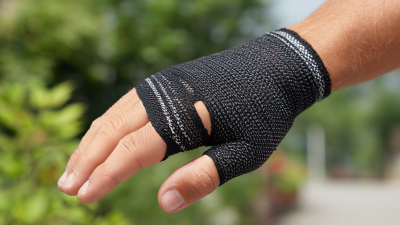
Arthritis, Reynaud's Phenomenon |
Material Considerations: Choosing the Right Hand Brace for Comfort
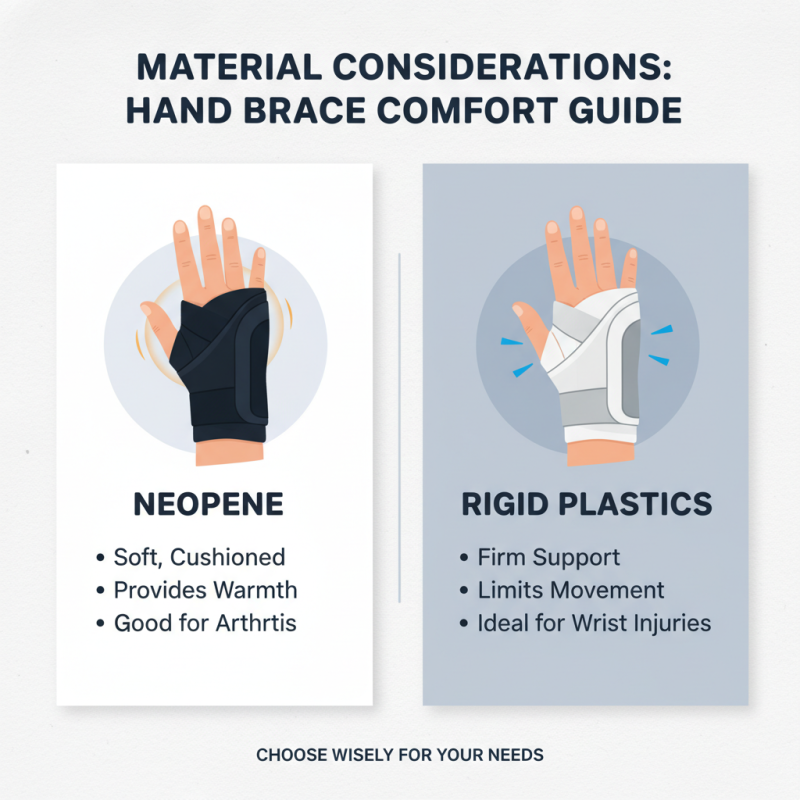
When selecting a hand brace, material plays a crucial role in comfort. Different materials offer varied levels of support and flexibility. For instance, neoprene is common due to its warmth and cushioning. It can be helpful for arthritis sufferers. Other materials, like rigid plastics, provide more stability for wrist injuries but may feel restrictive.
Comfort should guide your choice. Try to find a brace that fits snugly without causing pain. If it feels too tight, it might restrict blood flow. A proper fit is essential for wearing it for extended periods, especially during daily activities.
Tips: Always read product descriptions. Look for breathable materials. This can minimize sweat and irritation.
The right brace can aid recovery and improve mobility. However, it is necessary to consider your unique needs. Test different options, and don’t rush into a decision. You may have to experiment before finding the perfect fit. Comfort varies from person to person, so listen to your body.
When to Use a Hand Brace: Guidelines for Effective Pain Management
When using a hand brace, timing is key. It's beneficial when you experience pain from conditions like arthritis, tendinitis, or carpal tunnel syndrome. Wearing a brace during activities that could aggravate the condition can provide much-needed support. Many find relief when using a hand brace at night, as it prevents unwanted movement while sleeping.
Choosing the right type of brace can be challenging. A splint might restrict movement but offers solid support. A compression brace may allow more mobility while still providing relief. It's important to pay attention to how your hand feels while wearing it. If the brace doesn't alleviate pain, it could be too tight or the wrong type. Regular adjustments in fit are essential for optimal comfort.
Listening to your body is crucial. Sometimes, wearing a brace for extended periods can lead to stiffness. This is a sign to reassess how and when you wear it. Consulting with a healthcare provider can guide you in making effective choices for pain management. Each person's experience with a hand brace may differ, so take time to discover what works best for you.