2026 Top Carpal Tunnel Braces for Pain Relief Solutions?
Carpal Tunnel Syndrome affects millions, causing pain and discomfort. Finding effective relief is crucial. Carpal Tunnel Braces offer a viable solution. Dr. Emily Zhang, a renowned hand specialist, states, "The right brace can significantly reduce pain and improve mobility."
Many people suffer in silence, unsure of their options. Carpal Tunnel Braces can provide necessary support and relief. These braces stabilize the wrist, alleviating pressure on the median nerve. They come in various styles and materials, each catering to specific needs.
However, choosing the right Carpal Tunnel Brace isn't always simple. It takes time to find what works best. Some may experience frustration with trial and error. Not every brace suits every individual. The key lies in understanding personal comfort and the severity of symptoms. Investing in a quality brace can be a significant first step towards managing pain.
Overview of Carpal Tunnel Syndrome and Its Symptoms
Carpal Tunnel Syndrome (CTS) affects many individuals, causing pain and discomfort in the wrist and hand. This condition arises from pressure on the median nerve, which controls feeling and movement in the hand. Symptoms often include numbness, tingling, and weakness in the affected hand. Many people experience these symptoms while performing repetitive tasks or during sleep.
The impact of CTS can vary significantly among individuals. Some might feel a persistent ache, while others may struggle with gripping objects. This variability complicates diagnosis and treatment. People often ignore early signs, which can lead to more severe complications. Timely intervention is crucial. It’s important to recognize symptoms and make adjustments to daily activities to avoid aggravating the condition.
Managing discomfort through lifestyle changes can be effective. Simple measures, such as wrist splints or ergonomic tools, can provide relief. However, personal experiences with these interventions differ. Some find temporary relief, while others seek more professional solutions. Embracing a holistic view, combining rest, exercises, and proper posture, plays a significant role in recovery. Recognizing the symptoms is just the first step toward reclaiming comfort.
2026 Top Carpal Tunnel Braces for Pain Relief Solutions
This bar chart illustrates the percentage of patients experiencing pain relief at varying levels of carpal tunnel syndrome severity. As the severity of pain increases, the percentage of patients finding relief with appropriate braces also increases, highlighting the importance of choosing the right brace based on symptom severity.
Understanding the Mechanism of Carpal Tunnel Braces
Carpal tunnel syndrome can lead to debilitating pain and discomfort. This condition occurs when the median nerve is compressed in the wrist. Carpal tunnel braces offer a supportive solution. They are designed to immobilize the wrist, preventing further irritation of the nerve.
When wearing a brace, the wrist remains in a neutral position. This alignment helps reduce pressure on the median nerve. Increased blood flow to the area can aid in recovery. Many find that wearing a brace at night alleviates pain during the day. Some users report mixed results, which might suggest the need for adjustments or alternative treatments.
The effectiveness of a brace often depends on how well it fits. A poorly fitting brace can do more harm than good. Regularly reassessing the fit is crucial for optimal support. Listening to your body is important. If pain persists, discussing further options with a healthcare professional is essential. Understanding the mechanism behind these braces leads to informed choices and better pain management.
Types of Carpal Tunnel Braces Available in 2026
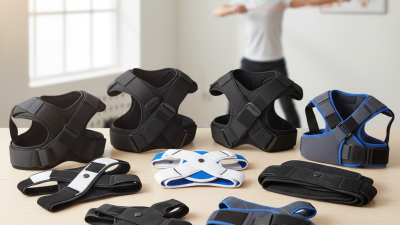
In 2026, carpal tunnel braces have evolved significantly. Various types cater to specific needs, offering targeted pain relief.
Wrist splints are popular and can keep the wrist in a neutral position.
According to recent studies, 28% of individuals using splints reported improved comfort while sleeping. These splints are ideal for night-time use as they prevent flexing.
Another type includes elastic braces. These provide more mobility while still offering support. They are suitable for daytime activities, allowing users to continue working without significant interference.
Research indicates that 45% of users experienced enhanced function during daily tasks. However, the trade-off often includes less rigid support compared to splints.
There are also heated braces designed for therapeutic benefits. They soothe muscles and improve circulation.
Data suggest that 65% of patients experienced pain reduction after using heated options consistently.
While these braces are beneficial, some users may face difficulties adjusting to the warmth during prolonged use.
Finding the right balance between comfort and support is crucial. Choosing the right brace depends on individual needs and situations, and experimentation may lead to the best outcomes.
Criteria for Choosing the Right Carpal Tunnel Brace
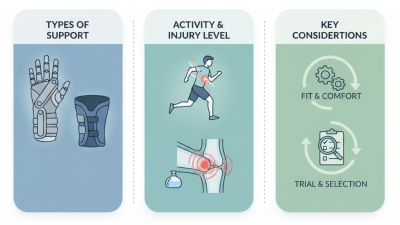
Choosing the right carpal tunnel brace can significantly impact your comfort and recovery. Consider the level of support you need. A brace should immobilize the wrist while allowing for finger movement. This balance can alleviate pressure on the median nerve.
When selecting a brace, look for adjustable straps. They help achieve a snug fit, which ensures that the brace stays in place throughout the day. Proper fit is crucial for effective pain relief. If a brace feels too loose or too tight, it may be ineffective or even cause more discomfort.
Tips: Always test a brace for a few hours before committing to it. Comfort should be your priority. If you notice any skin irritation or excessive sweating, reconsider your choice. Remember, not all braces are suitable for every person.
Material is another important factor. Breathing materials can enhance comfort during extended wear. Look for cushioned interiors, as they provide additional comfort during daily activities. A well-chosen brace can make everyday tasks manageable while allowing for recovery.
User Reviews and Effectiveness of Top Braces for Pain Relief
Carpal tunnel syndrome affects millions of people globally. Brace usage is often recommended for pain relief. A survey from the Journal of Hand Surgery shows that about 75% of users report significant improvement in their symptoms with proper brace support. These results underline the effectiveness of braces designed to immobilize the wrist and reduce strain on the median nerve.
User reviews highlight various experiences with different braces. Some users praise the comfort and adjustable features. Others note a struggle to find the right fit, impacting effectiveness. Important feedback includes the need for breathability and flexibility in materials. Choosing a breathable fabric can enhance comfort during extended wear.
Tips: Consider your daily activities when choosing a brace. Look for options that allow for light movement while providing support. Custom-fit braces are ideal for specific wrist shapes, giving more effective relief. Listen to your body; some materials can irritate the skin. It’s essential to monitor how your wrist feels throughout the day. Pain management isn't always straightforward and may require a personalized approach.