Top 10 Back Braces for Pain Relief in China Today?
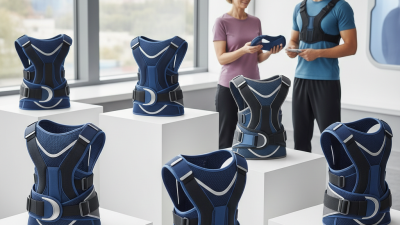
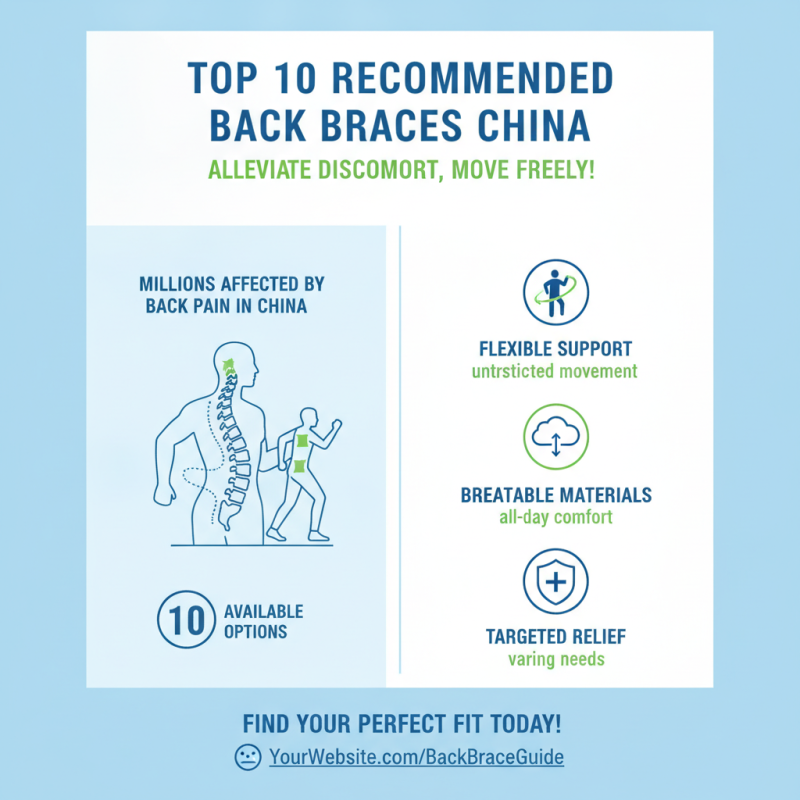
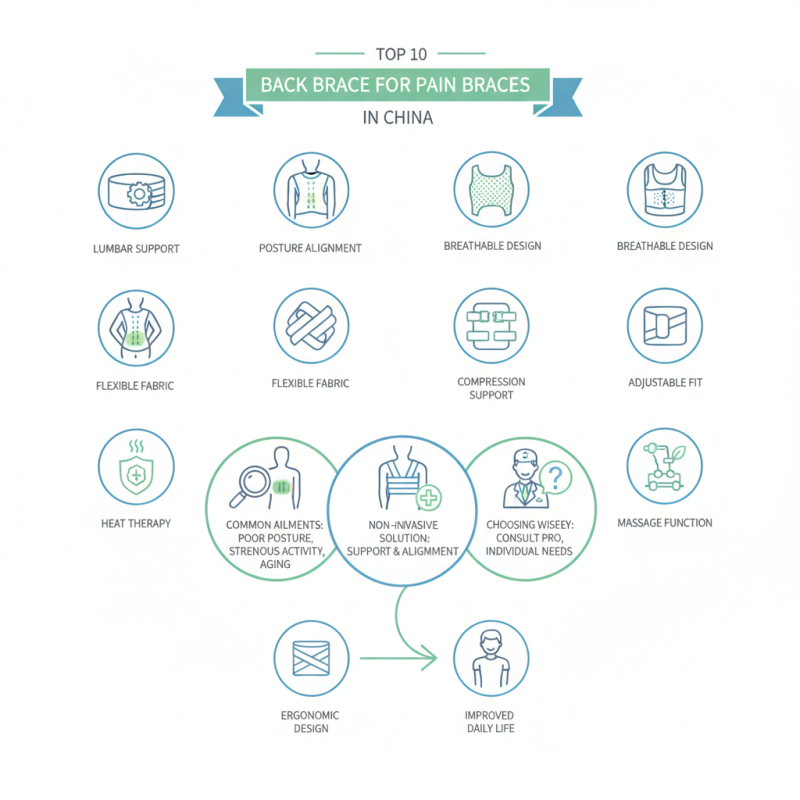
In recent years, back pain has become a common ailment affecting millions in China. This persistent issue often stems from poor posture, strenuous activities, or aging. As people seek effective solutions, back braces have gained popularity as a non-invasive option for pain relief. These devices not only provide support but also promote better alignment of the spine.
Choosing the right back brace is crucial. Many types are available, each designed to address specific pain points. Some offer lumbar support, while others focus on overall stability. It's essential to consider individual needs and consult a healthcare professional when selecting a back brace. Despite the many options, finding the perfect solution can be daunting.
With various brands and styles on the market, determining which back brace works best can be overwhelming. Personal experiences, along with expert recommendations, play a vital role in making an informed decision. Ultimately, understanding the function and fit of each brace will lead to better pain management and improved daily life.
Overview of Back Pain Issues in China
Back pain is a growing issue in China, affecting millions of people. The prevalence of chronic back pain has risen significantly in urban populations, with studies suggesting that over 20% of adults experience it regularly. Sedentary lifestyles and long working hours contribute greatly to this problem. Many overlook the importance of proper ergonomic setups in workplaces, leading to poor posture and increased strain on the back.
Additionally, cultural views on seeking help play a role. A significant number of individuals opt for home remedies rather than consulting a specialist. According to a recent health report, only 30% of those suffering from chronic pain seek professional advice. This underlines the urgent need for better public understanding about back health. Educational programs highlighting the risks of neglecting back pain could help shift attitudes toward treatment and prevention.
Notably, the economic impact is also considerable. Back pain leads to substantial losses in productivity, with estimates suggesting that it costs the economy billions annually. More efforts should focus on preventive measures, including the promotion of appropriate back braces. While these devices can provide support, they must be part of a broader strategy that includes exercise, posture correction, and regular medical check-ups.
Importance of Back Braces for Pain Relief
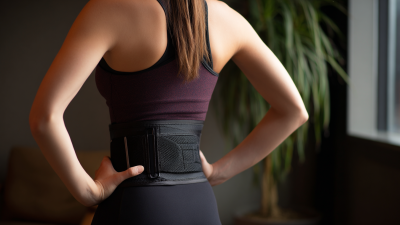
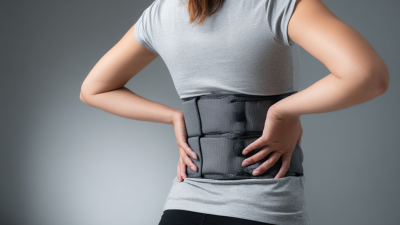
Back braces play a crucial role in managing back pain. Many individuals suffer from acute or chronic discomfort that affects daily life. A good back brace can provide support and stability. It can also promote proper posture, which often alleviates pain. These braces can shift pressure away from the spine, allowing muscles to relax.
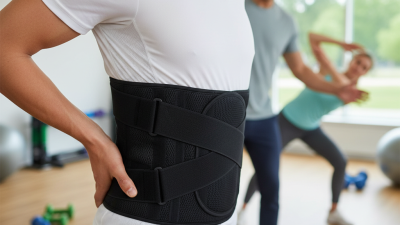
When choosing a back brace, consider the level of support you need. Some braces are designed for light support, while others offer more rigid stabilization. It's important to try different types to find what works best for you. Ensure that the fit is snug but not too tight, as this can restrict movement.
Tips for using a back brace effectively include wearing it during high-risk activities. This could mean lifting heavy items or engaging in prolonged sitting. Additionally, remember that a brace should complement, not replace, exercises that strengthen your back. Always consult with a healthcare professional to ensure you use a brace appropriately. Listen to your body—if discomfort increases, re-evaluate your usage. Adjustments might be necessary.
Top 10 Back Braces for Pain Relief in China Today
| Rank |
Type |
Material |
Features |
Price (CNY) |
| 1 |
Lumbar Support Belt |
Neoprene |
Adjustable, Breathable |
300 |
| 2 |
Posture Corrector |
Cotton Blend |
Lightweight, Discreet |
220 |
| 3 |
Corset Style Brace |
Elastic Fabric |
High Support, Versatile Use |
400 |
| 4 |
Heat Therapy Brace |
Neoprene |
Thermal Relief, Adjustable |
500 |
| 5 |
Compression Brace |
Spandex |
Snug Fit, Pain Relief |
250 |
| 6 |
Adjustable Back Brace |
Polyester |
Custom Fit, Durable |
350 |
| 7 |
Rear Support Brace |
Mesh Fabric |
Breathable, Lightweight |
320 |
| 8 |
Orthopedic Brace |
Rigid Plastic |
Stability, Pain Relief |
600 |
| 9 |
Lumbar Stabilizing Brace |
Neoprene |
Compact, Supportive |
380 |
| 10 |
All-Day Support Brace |
Cotton |
Comfortable, Adjustable |
240 |
Criteria for Selecting Effective Back Braces
When selecting an effective back brace, comfort plays a key role. A well-fitted brace should provide support without restricting movement. Look for adjustable straps that allow for a customized fit. Breathable materials help wick away moisture, keeping wearers comfortable throughout the day. Ensure the brace is lightweight, as a bulky option may hinder daily activities.
Consider the level of support you need. Some braces focus on lower back compression, while others may provide lumbar support. It's vital to choose based on specific pain areas. Reading user reviews can offer insight into how supportive and durable a brace really is. Seek options that have positive feedback regarding their effectiveness over time.
Finally, consultation with a healthcare professional adds value. They can recommend the best brace for your condition. Personal health history matters. Everyone’s experience with back pain is unique. Keep this in mind when evaluating options. A back brace is not a one-size-fits-all solution. Remember, the ultimate goal is pain relief, tailored to individual needs.
User Reviews and Experiences with Back Braces
Many users across China have shared their experiences with back braces for pain relief. These reviews highlight the importance of comfort and fit. A poorly fitted brace can cause more discomfort than relief. Several users noted that initial adjustments took time. They recommended carefully following the fitting instructions to maximize comfort.
Additionally, the material of the brace is critical. Breathable fabrics are preferred by many, as they reduce sweating during wear. Some users reported that their skin reacted negatively to synthetic materials. It’s essential to listen to your body and make changes if irritation occurs. Many reviews mention that consistency in wearing the brace improves their pain management.
Community feedback emphasizes the need for professional advice. Consulting with a healthcare provider can guide users in selecting the right brace. While some people found immediate relief, others had to experiment with different styles. The variation in individual anatomy plays a significant role in the effectiveness of back braces. Honest reviews reflect a journey, acknowledging both successes and adjustments needed along the way.