Top 10 Tips for Choosing the Right Medical Boots for Fast Recovery
In the realm of orthopedic care, the choice of appropriate Medical Boots plays a crucial role in facilitating a swift recovery for patients. According to a study published by the American Journal of Orthopedics, patients wearing specially designed medical footwear showed a 30% faster healing time compared to those in standard footwear. This highlights not only the importance of selecting the right medical boots but also the impact such choices have on overall patient outcomes.
With a growing emphasis on personalized medicine, healthcare professionals are increasingly recognizing the need for tailored solutions that address the specific needs of each patient. An analysis by the Journal of Foot and Ankle Research noted that improper boot selection can lead to prolonged recovery times, increasing both physical discomfort and healthcare costs. Thus, understanding the key factors in choosing medical boots—such as material, fit, and type of injury—is imperative for both patients and providers aiming for optimized recovery pathways. By making informed decisions, patients can significantly enhance their rehabilitation process and return to their daily activities with confidence and speed.

Understanding the Purpose of Medical Boots in Recovery
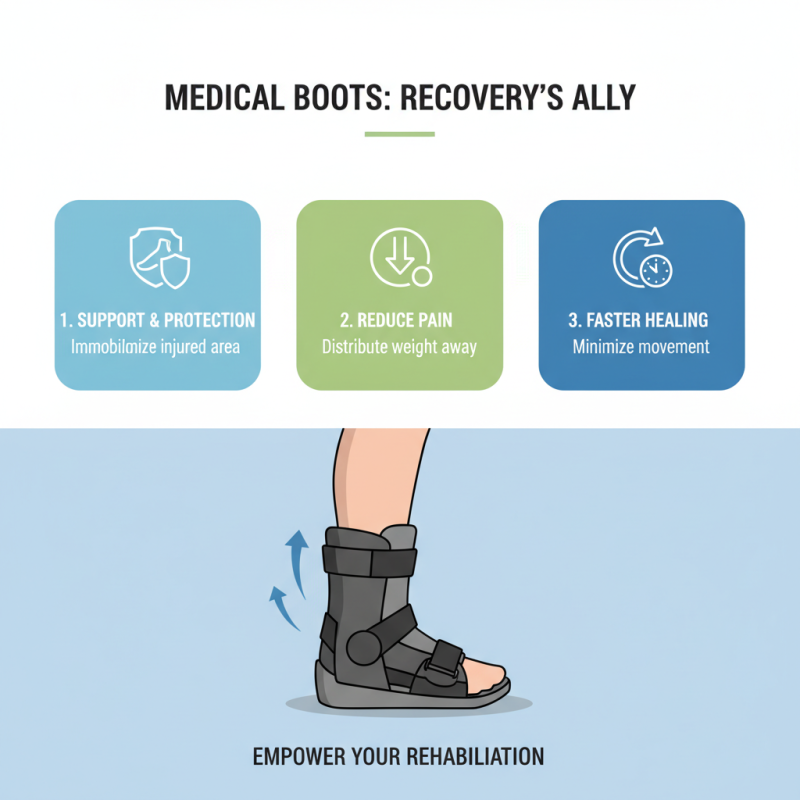
Medical boots play a crucial role in the recovery process, particularly for individuals dealing with foot, ankle, or lower leg injuries. These specialized footwear options provide essential support and protection, ensuring that the affected area is immobilized while allowing for healing. By distributing weight away from the injured site and minimizing movement, medical boots help to reduce pain and facilitate a more rapid recovery. Understanding the specific purpose of these boots can empower patients to make informed choices when it comes to their rehabilitation.
The design of medical boots often features sturdy materials that provide not only stability but also comfort. With adjustable straps and cushioned interiors, they aim to accommodate swelling and help maintain the user's mobility during recovery. Furthermore, medical boots are engineered to promote proper alignment, which is vital for healing. As a result, selecting the right medical boot is not merely about comfort; it directly impacts the effectiveness of the recovery process and can influence long-term outcomes. By recognizing the significance of medical boots, individuals can better appreciate their role in supporting a swift and successful return to normal activities.
Key Features to Look for in Medical Boots
When selecting medical boots for optimal recovery, understanding key features is essential to ensure effective healing and comfort. A recent study by the Journal of Foot & Ankle Research indicates that proper immobilization can reduce recovery time by up to 30%, making the right choice even more critical. Look for boots with a sturdy, supportive sole that offers both rigidity and shock absorption. This feature helps stabilize the foot while allowing for the natural movement of the ankle, which is essential for recovering from injuries such as fractures or sprains.
Additionally, adjustable straps are vital for customizing the fit of the boot. A report published by the American Orthopedic Foot & Ankle Society highlights that boots with adjustable components have significantly higher satisfaction rates among users because they provide the necessary compression and support without compromising circulation.
Remember to choose boots that are lightweight yet durable, as heavy boots can lead to fatigue, hindering your mobility during recovery. The right medical boot should also feature moisture-wicking liners to promote hygiene and comfort. Combining these features effectively will aid in a quicker, more efficient recovery process, allowing individuals to return to their daily activities sooner.
Top 10 Tips for Choosing the Right Medical Boots for Fast Recovery
| Feature |
Importance |
Considerations |
| Size and Fit |
Ensures comfort and proper support |
Measure foot before purchasing |
| Material |
Affects durability and breathability |
Look for lightweight and breathable options |
| Sole Type |
Provides traction and stability |
Rubber soles are often preferable |
| Arch Support |
Helps reduce foot pain |
Look for boots with adjustable arch support |
| Weight |
Impacts ease of mobility |
Choose lightweight options |
| Ankle Support |
Important for recovery |
Choose taller boots for better support |
| Adjustability |
Enhances comfort and fit |
Look for straps or laces |
| Padding |
Provides comfort and shock absorption |
Ensure adequate padding in key areas |
| Breathability |
Prevents excessive moisture buildup |
Look for mesh fabrics |
| Price |
Budget considerations |
Balance quality and cost |
Assessing the Proper Fit and Comfort for Your Needs
When selecting medical boots for a quick and effective recovery, assessing the proper fit and comfort is crucial. A well-fitted boot should offer support while not compromising circulation. It’s essential to measure both the length and width of your foot, as swelling can change your foot size during the healing process. Many medical boots come with adjustable straps or closures that can accommodate these fluctuations, ensuring a snug fit without causing discomfort. Always remember to try on the boot with any prescribed padding or orthotics to confirm that it fits properly with additional support.
Comfort should be a priority when choosing medical boots, as long-term wear is often necessary for optimal recovery. Look for features such as cushioned insoles and lightweight materials that do not add unnecessary strain to your foot. Ventilation is also vital; a boot that allows for breathability can help prevent skin irritation and promote overall foot health. Additionally, consider testing the boot for flexibility in the sole and ease of mobility. A boot that provides these attributes can significantly enhance your overall comfort and encourage adherence to wearing the boot as recommended by your healthcare provider.
Comparing Different Types of Medical Boots Available on the Market
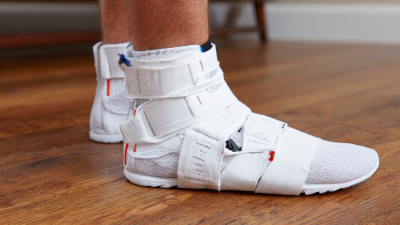
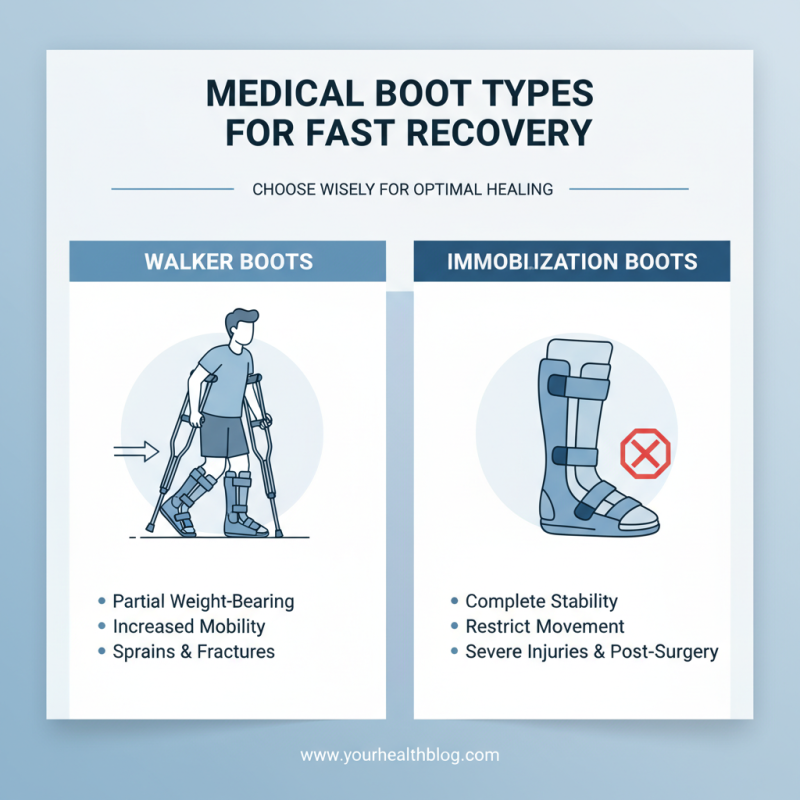
When it comes to selecting the right medical boot for a fast recovery, understanding the different types available on the market is crucial. Medical boots generally fall into two categories: walker boots, which provide support and mobility, and immobilization boots, designed to restrict movement for healing purposes. Walker boots are ideal for individuals who need partial weight-bearing during recovery, as they allow for more mobility while still providing adequate protection. In contrast, immobilization boots are best suited for severe injuries that require complete stability, ensuring that the injured area remains undisturbed for optimal healing.
When choosing a medical boot, consider function and comfort. Make sure the boot offers adequate cushioning and a snug fit without being too tight. Additionally, look for features such as adjustable straps, which can help tailor the fit to your needs and enhance overall comfort. It’s also wise to evaluate the material of the boot; lightweight options can provide better mobility, while more robust designs may offer increased protection.
Lastly, one vital tip is to consult with a medical professional before making a purchase. They can provide insights specific to your injury and recommend the best type of boot suited for your recovery. Taking these factors into account will ensure you choose a medical boot that supports your healing process effectively.
Consulting with Healthcare Professionals for Personalized Recommendations
When it comes to selecting the right medical boots for a swift recovery, consulting with healthcare professionals is paramount. These experts can evaluate your specific medical condition and provide tailored recommendations that suit your unique needs. Whether recovering from a surgery, injury, or chronic condition, a healthcare professional can help you navigate the myriad of options available, ensuring you make an informed decision that promotes healing.
One of the essential tips to consider is ensuring the medical boot fits properly. A boot that is too tight or too loose can result in discomfort and impede the healing process. Healthcare professionals can assist in measuring your foot and providing guidance on the best sizes and styles to accommodate any swelling or changes during recovery.
Additionally, consider the level of support the boot provides. Depending on your injury, you might need additional cushioning or stabilization. Discussing your specific activities and daily routine with a healthcare provider can help you choose a boot that not only aids recovery but also allows you to maintain your mobility and independence during the healing phase. Engaging in these discussions with your healthcare team is crucial for a personalized approach to your recovery process.