10 Tips for Choosing the Best Wrist Braces?
Choosing the right Wrist Braces can feel surprisingly difficult. Shelves often display dozens of designs, materials, sizes, and support levels. A slim wrist wrap may suit typing, while a rigid brace may better protect a healing joint. The best choice depends on your symptoms, daily tasks, fit, and professional guidance. It should support movement without creating unnecessary pressure.
This guide explores ten practical tips for comparing wrist braces with greater confidence. You will learn how to check sizing, comfort, breathability, adjustability, and construction quality. You will also see why wrist position matters during sleep, exercise, work, and recovery. Small details matter, such as a seam rubbing near the thumb or a strap loosening after repeated use. Those details can change whether a brace helps or becomes another source of irritation. Look for clear product information and avoid promises that sound too perfect. A brace cannot diagnose an injury or replace medical care. Persistent pain, numbness, swelling, weakness, or color changes deserve evaluation from a qualified healthcare professional. Even careful recommendations have limits. Your wrist may respond differently from another person’s wrist. I have found that comfort often influences consistent use more than appearance or price. That is not a perfect rule, but it is worth considering. With realistic expectations and careful comparison, these tips can help you select support that feels secure, practical, and appropriate for your needs.

Define the Wrist Condition and Support Goals
Before choosing a wrist brace, define the condition causing your symptoms. A recent sprain may need short-term protection, while carpal tunnel syndrome often needs neutral wrist positioning. Tendon irritation, arthritis, and nerve compression require different support strategies. A brace is not a diagnosis.
The World Health Organization reports that musculoskeletal conditions affect about 1.71 billion people worldwide. The U.S. Centers for Disease Control and Prevention also estimates that roughly one in five American adults has diagnosed arthritis. These figures describe broad conditions, not every wrist problem. Still, they show why generalized brace advice can mislead. A useful goal might be reducing nighttime tingling, limiting painful movement, or protecting the wrist during work. Choose one clear goal first. Less movement is not always better.
Fit matters. Your fingers should move freely, and the brace should not leave deep marks, cold fingertips, or increased numbness. For suspected carpal tunnel symptoms, a neutral position is usually more practical than a sharply bent wrist. Thumb pain may require support that includes the thumb. Follow clinical guidance when possible. Pain that persists, follows a major injury, or includes weakness deserves professional assessment. The awkward truth: a comfortable brace can hide worsening symptoms. I would reassess daily, not wear it automatically. Some advice may need changing after real use.
Compare Wrist Brace Types and Their Intended Uses
10 Tips for Choosing the Best Wrist Braces
Compare Wrist Brace Types and Their Intended Uses
Choosing a wrist brace starts with its purpose, not its appearance. A light compression sleeve offers warmth and gentle support during typing, exercise, or mild swelling. It does not reliably prevent wrist movement. A neutral wrist splint keeps the joint straight and may help people managing carpal tunnel symptoms, especially at night. The hand should feel supported, not squeezed. Fit matters greatly.
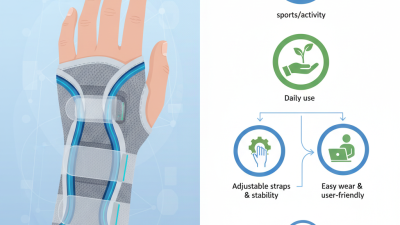
A thumb-spica brace supports both the wrist and thumb. It can suit irritation near the thumb base or discomfort during gripping. A flexible brace allows more movement for daily tasks. A rigid immobilizer limits motion more firmly after certain injuries. Professional guidance is important here. Adjustable straps help accommodate swelling, but excessive tightening can reduce comfort and circulation. Check the material, seams, and fastening system against your skin.
During desk work, I have seen people choose rigid braces when a lighter option would have been practical. I once made a similar assumption. It restricted normal movement and caused unnecessary stiffness. That experience changed how I compare braces. Look for cool fingers, numbness, tingling, or increasing pain. Remove the brace if these signs appear. Persistent symptoms, visible deformity, or recent trauma require medical assessment. A brace should support recovery, not disguise a worsening problem.
Evaluate Fit, Sizing, Materials, and Comfort
Tip 1: Measure your wrist carefully. Use a soft tape around the wrist crease, not across the palm. Tip 2: Check the sizing chart. Small differences can create pressure points. Tip 3: Choose adjustable straps for swelling or changing daily comfort.
A brace should support the wrist without forcing it into a rigid position. Tip 4: Look for a neutral angle, especially during typing or lifting. Tip 5: Prefer breathable fabrics when wearing it for several hours. Tip 6: Inspect seams, edges, and fasteners. Rough stitching can irritate skin quickly. Materials matter, but comfort decides whether you keep wearing it.
The U.S. Bureau of Labor Statistics reported 946,540 work-related musculoskeletal disorder cases involving days away from work in 2023. That figure supports careful prevention, not automatic brace use. Tip 7: Match the brace to the activity. A light support may suit office work, while heavier tasks need stronger stabilization. Tip 8: Test finger movement before buying. Tip 9: Remove the brace if numbness, discoloration, or increasing pain appears. Tip 10: Recheck the fit after twenty minutes. Heat and swelling can change it.
I once underestimated thumb pressure. That was a poor assumption. A brace can feel secure yet restrict useful movement. NIOSH recommends evaluating ergonomic risks alongside personal protective equipment. Ask a clinician when symptoms persist, weakness develops, or nighttime pain continues.
Check Adjustability, Mobility, and Stabilization Features
Choosing the Best Wrist Braces: Adjustability, Mobility, and Stabilization
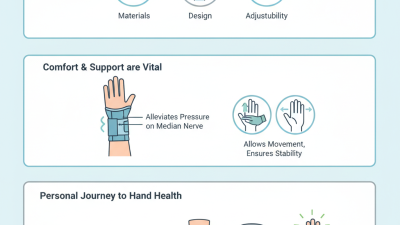
Wrist discomfort can affect typing, lifting, cooking, or sleeping. The World Health Organization reports that musculoskeletal conditions affect about 1.71 billion people worldwide. That figure includes many body areas, but it shows why careful support matters. A brace should fit your wrist, not simply feel tight. Look for adjustable straps that sit firmly without leaving deep marks. You should still feel warmth and normal sensation in your fingers.
Mobility is equally important. A rigid brace may limit painful bending, but excessive restriction can interfere with daily tasks. Try opening a bottle, holding a phone, or moving your thumb before deciding. The American Academy of Orthopaedic Surgeons notes that splints may support the wrist in a neutral position, especially during rest. Neutral matters. However, comfort is not proof of correct treatment. I have seen users tighten braces too much, hoping for faster relief, and create new pressure points.
Stabilization features should match your activity and symptoms. A removable metal or plastic support can reduce unwanted wrist motion during repetitive work. Flexible designs may suit light tasks where grip and dexterity remain necessary. The U.S. Bureau of Labor Statistics continues to identify musculoskeletal disorders among major causes of work-related days away from work. That data does not prove a brace prevents injury. It does suggest that workplace habits deserve attention. If numbness, swelling, weakness, or night pain persists, seek assessment from a qualified healthcare professional. A brace is support, not a diagnosis.
10 Tips for Choosing the Best Wrist Braces
Compare common wrist-brace designs by adjustability, mobility, and stabilization. Scores use a practical 1–5 scale, where 5 indicates more of the feature.
Adjustable wraps generally provide the most flexible fit, while rigid splints offer stronger stabilization but restrict wrist movement. Choose the balance that matches your activity, comfort needs, and level of support.