- Home
- About Us
- Products
- Videos
- Download
- News
- FAQ
- Contact Us
Leave Your Message
Knee pain is common, but choosing support should never become a guessing game. The World Health Organization’s Global Status Report on Physical Activity 2022 estimates that 31% of adults worldwide do not meet recommended activity levels. Reduced movement can weaken surrounding muscles and make everyday knee stress feel more noticeable. A well-chosen Knee Stabilizer may offer compression, alignment support, or controlled movement during walking, training, and recovery.
The scale of the problem is substantial. WHO reports that musculoskeletal conditions affect approximately 1.71 billion people globally. In the United States, the Centers for Disease Control and Prevention identifies osteoarthritis as affecting more than 32.5 million adults. These figures do not mean every painful knee needs a brace. They do show why material quality, hinge design, sizing, and intended use deserve careful attention. Fit matters. A loose stabilizer can slide during stairs, while excessive pressure may cause numbness or skin irritation.
Clinical guidance also urges realistic expectations. The American Academy of Orthopaedic Surgeons notes that braces can help selected people with knee osteoarthritis, although benefits vary between individuals. That uncertainty matters. A product may feel supportive in a showroom but fail during a long commute or a sweaty workout. The following seven tips examine stability, comfort, adjustability, breathability, durability, activity demands, and professional advice. They cannot replace an examination. Still, they can help shoppers ask better questions and avoid choosing a Knee Stabilizer based only on appearance, reviews, or a low price. Some recommendations may need personal adjustment. That is often overlooked.
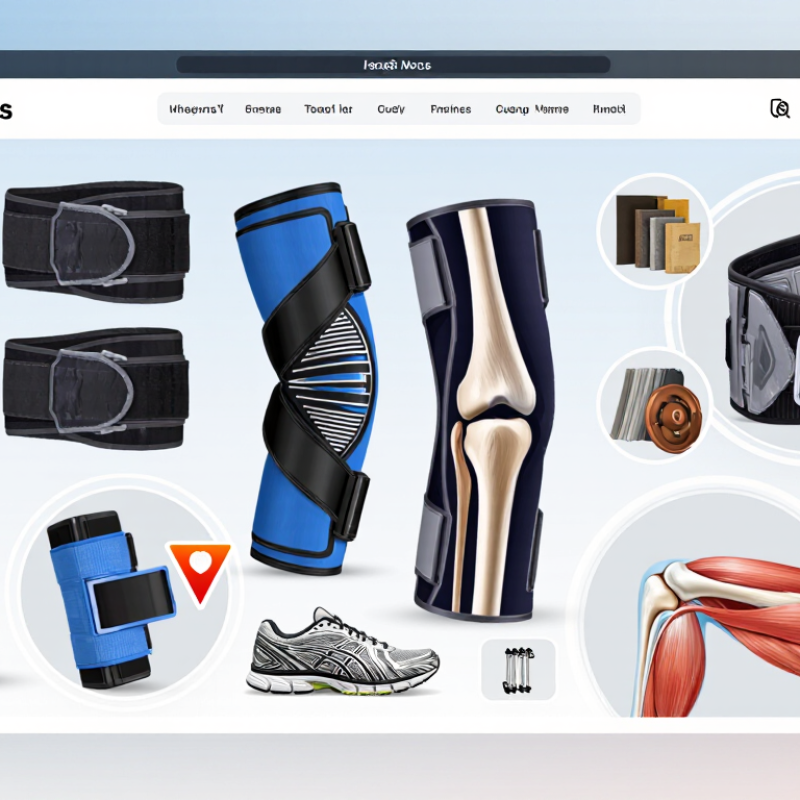
A knee stabilizer helps limit unwanted movement and gives the joint extra support during activity. It may reduce the feeling of wobbling after a mild sprain, repeated strain, or certain joint conditions. It cannot repair damaged tissue or replace rehabilitation. Not every knee needs one.
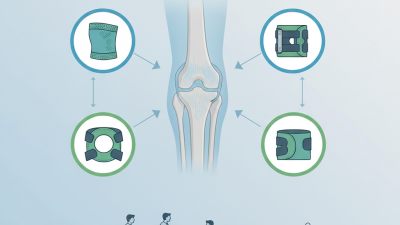
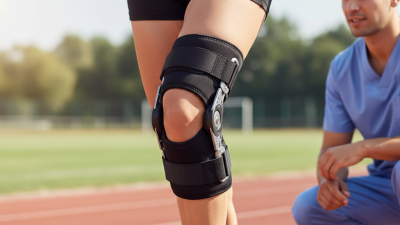
The right stabilizer depends on the problem. A light sleeve may provide compression and warmth for mild discomfort. A hinged design can offer more control when side-to-side movement feels unsafe. Measure your thigh and knee carefully, then check the fit while standing. It should feel secure, never numb or painfully tight. A brace that slips during stairs is not doing its job.
Use it for the activities that provoke symptoms, rather than wearing it constantly without advice. A clinician should assess severe swelling, locking, weakness, numbness, or pain after a significant impact. These signs may require more than external support. It is easy to assume tighter means safer, but that assumption can restrict movement and irritate the skin. The best choice allows normal walking while reminding you to move carefully. Check your skin after removal. Stop if pain increases. Reconsider the fit as swelling changes.
| Tip | What to Check | Why It Matters | Suitable Use Case | Important Note |
|---|---|---|---|---|
| 1. Identify the main purpose | Choose between support, compression, motion control, or post-injury protection. | Different braces are designed for different levels of stability and movement restriction. | Mild discomfort, sports support, ligament instability, or recovery after an injury. | A stabilizer can support the knee but does not repair a torn ligament or cure an underlying condition. |
| 2. Match the brace type to the condition | Compare sleeve, patellar strap, hinged, and rigid or immobilizing designs. | A simple sleeve offers compression, while hinged designs provide more side-to-side control. | Sleeve: mild support; strap: selected tendon-related pain; hinged: instability or guided recovery. | Rigid immobilizers should generally be used only with professional guidance. |
| 3. Measure for the correct fit | Follow the measurement location and size chart provided for the brace. | An incorrect size may reduce support, slip during activity, or create excessive pressure. | Daily wear, walking, exercise, and rehabilitation activities. | The brace should feel secure without causing numbness, tingling, color changes, or increasing pain. |
| 4. Check adjustability | Look for adjustable straps, stable closures, and a design that stays in place during movement. | Adjustability helps accommodate minor changes in swelling and allows a more personalized fit. | Users whose knee size changes during the day or during recovery. | Fasteners should not be tightened enough to restrict circulation. |
| 5. Consider comfort and materials | Assess breathability, padding, seams, flexibility, skin sensitivity, and ease of cleaning. | Comfort improves the likelihood of using the brace correctly and consistently. | Longer periods of standing, walking, training, or rehabilitation. | Stop use and seek advice if a rash, skin breakdown, or persistent irritation develops. |
| 6. Match support to activity level | Consider walking, low-impact exercise, running, pivoting sports, or post-injury activity. | Higher-impact or pivoting movements may require more stability, but excessive restriction can affect natural movement. | Low-impact activity may need light support; unstable knees may require a hinged design selected with clinical advice. | A brace should complement, not replace, strength, mobility, and balance training. |
| 7. Seek professional guidance when needed | Ask a clinician or physical therapist about significant injury, repeated giving-way, swelling, or persistent pain. | Correct diagnosis is important because different knee problems require different treatment plans. | Suspected ligament injury, meniscus injury, fracture, surgery recovery, or unexplained symptoms. | Urgent evaluation may be needed after major trauma, inability to bear weight, severe swelling, deformity, or a locked knee. |
| Function | How It May Help | Limitations |
|---|---|---|
| Compression | May provide a feeling of support and help keep the joint warm during activity. | Does not correct structural damage or guarantee pain relief. |
| Mechanical support | Hinges, stays, or reinforced panels may help limit unwanted side-to-side movement. | The appropriate level of support depends on the injury and should not be selected solely by appearance. |
| Movement guidance | Some designs can help guide movement during rehabilitation or selected activities. | A brace should not be used to push through worsening pain or a new injury. |
| Confidence during activity | A properly fitted brace may improve confidence when returning to everyday movement. | Confidence does not confirm that the knee is fully healed or ready for high-impact sport. |
Safety reminder: A knee stabilizer is a supportive aid, not a substitute for medical diagnosis or rehabilitation. Remove it and seek professional advice if it causes numbness, tingling, skin discoloration, worsening pain, or swelling.