Essential Tips for Choosing Medical Boots for Recovery
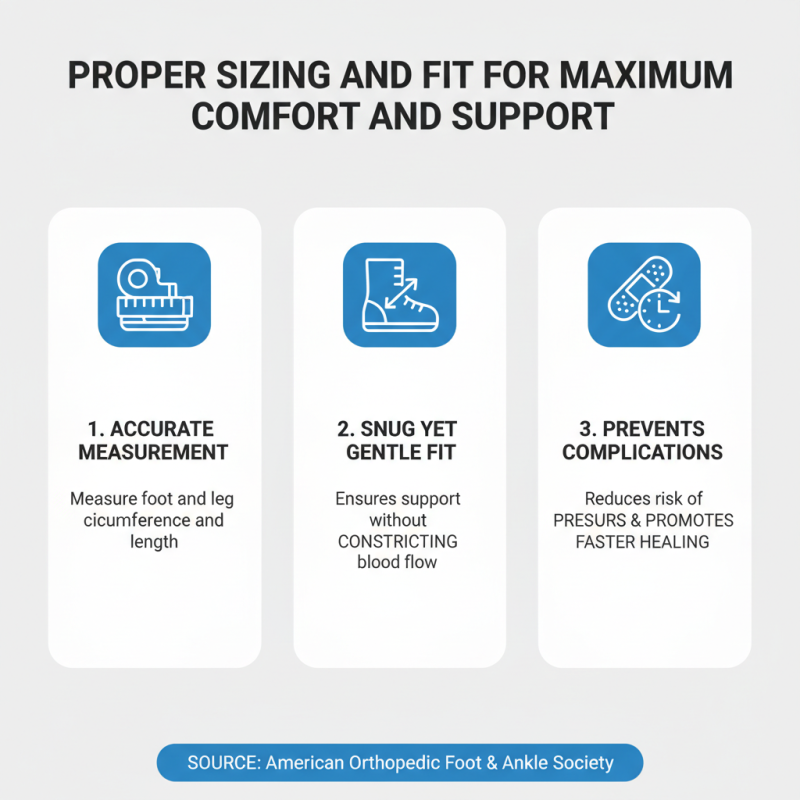
When recovering from an injury or surgery, choosing the right Medical Boots is crucial. These specialized boots provide support and protection, aiding in the healing process. However, not all Medical Boots are created equal. Some may be too rigid or not snug enough, hindering recovery.
Selecting the right fit is just as important as the boot’s design. An ill-fitting boot can cause discomfort and delay healing. Look for features like adjustable straps and cushioned soles. These elements can enhance comfort and ensure a proper fit. It's essential to consider your daily activities and specific recovery needs.
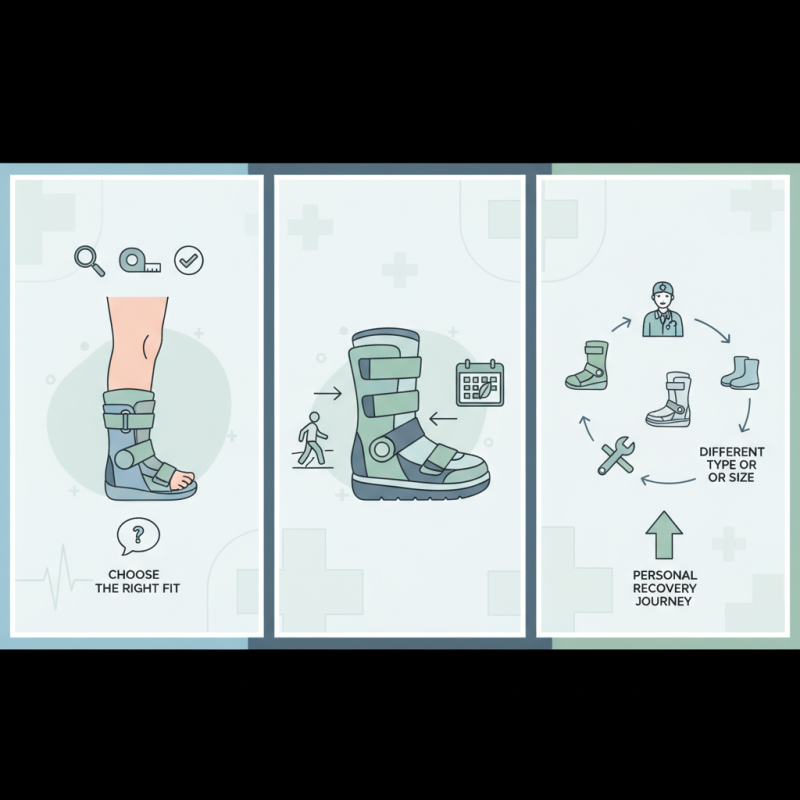
Patients often overlook the importance of regular check-ins on their recovery journey. Assessing how well the Medical Boots are working is vital. Make adjustments as necessary. This reflective process can help identify if you need a different type or size of boot. Remember, recovery is a personal journey, and the right boot can make all the difference.
Understanding the Purpose of Medical Boots in Recovery
Medical boots play a crucial role in recovery. They provide stability and protection for injured feet and ankles. Proper use of these boots can significantly enhance healing. According to a study published by the American Academy of Orthopaedic Surgeons, over 50% of patients experience reduced recovery time when using medical boots correctly.
These devices are designed to immobilize the foot and reduce pressure on injuries. This helps in reducing pain and preventing further damage. However, not all medical boots are the same. Some may feel heavy or uncomfortable. Patients often report that fitting issues can lead to a negative experience. Understanding proper fitting is essential. A good boot should not be too tight or too loose.
In a survey, 40% of users admitted to having discomfort with their medical boots. They noted that the material and design impact wearability. Therefore, choosing a boot that balances support and comfort is vital. It’s important to consider the type of recovery required. Some might need extra cushioning, while others focus on support. Making informed choices can lead to a smoother recovery process.
Types of Medical Boots: Selection Based on Conditions
Choosing the right medical boot is crucial for a smooth recovery. Different conditions require different types of medical boots. A walking boot is ideal for fractures and soft tissue injuries. It provides support while allowing some movement. These boots often have adjustable straps for a customized fit.
For severe injuries, a tall boot may be necessary. This type offers greater immobilization. It protects the ankle and lower leg effectively. If you're recovering from a foot or ankle surgery, a post-operative boot is vital. It stabilizes the area and reduces pain.
Remember, fitting is key. An ill-fitting boot can lead to complications. Seek professional advice if necessary. Look for boots with enough padding. This will enhance comfort during use. Be mindful of your mobility. Some may find walking cumbersome. Reflect on what feels right for your recovery. Each person's needs are different. Don’t rush the process. Listen to your body.
Essential Tips for Choosing Medical Boots for Recovery
| Condition |
Type of Medical Boot |
Key Features |
Recommended Usage |
| Fractures |
Walker Boot |
Air-filled cushioning, adjustable straps, rigid sole |
Post-fracture recovery, weight bearing |
| Sprains |
Stirrup Boot |
Low profile, supportive straps, lightweight |
Mild to moderate sprains, early mobility |
| Post-Surgery |
Post-Operative Boot |
Customizable fit, shock absorption, breathable materials |
Recovery from surgical procedures, non-weight bearing |
| Diabetic Ulcers |
Diabetic Healing Boot |
Soft interior, wide toe box, non-slip sole |
Off-loading pressure from wounds, enhancing healing |
| Tendon Injuries |
Cam Walker Boot |
Rigid support, adjustable degree of compression |
Rehabilitation for tendon injuries, partial weight bearing |
Factors to Consider When Choosing Medical Boots
Choosing the right medical boots for recovery is crucial. Many factors impact comfort and healing. Foot size and shape should be assessed. A well-fitting boot can prevent further injuries. Data shows that poorly fitting footwear can delay recovery by up to 30%. Measure both feet, as they can vary in size.
Weight and activity level are also essential. Lighter boots often provide better mobility. Some patients may struggle with heavier options, leading to frustration. Reports indicate that around 25% of users find portably difficult boots ineffective for their needs.
Consider the level of support offered by the boot. Stiff soles might provide stability but can feel uncomfortable. Conversely, softer materials may not offer adequate protection. A balanced approach is key. Choosing the right style can influence healing time. It's worth reflecting on these aspects to ensure an informed decision.
Maintenance and Care Tips for Longevity of Medical Boots
Choosing the right medical boots is crucial for recovery. However, once you have them, maintenance is key for longevity. Regular cleaning helps remove dirt and dust. Wipe them down with a damp cloth. This simple step prolongs their life. Check for wear and tear. If the sole starts to separate, it may need repair.
Proper storage also matters. Avoid leaving them in damp areas. Moisture can cause damage. Instead, keep them in a dry place. Remember to let them air out after each use. This prevents odors and mold from developing. In some cases, you might need to replace the insoles. They can wear down quickly.
Reflect on your usage too. Are you wearing them as recommended? If not, adjust your habits. If they feel uncomfortable, take a moment to reassess the fit. You may need to find new padding or adjust the straps. Sometimes, small changes make a significant difference. Proper care and attentiveness are essential for getting the most from your medical boots.