Why Should You Consider Using Shoulder Braces for Pain Relief?
Shoulder pain is a common issue that affects millions of people worldwide. According to the American Academy of Orthopaedic Surgeons, approximately 50% of adults experience shoulder pain at some point in their lives. This can lead to significant limitations in daily activities and overall quality of life. Shoulder braces have emerged as a valuable tool in managing this discomfort.
The use of shoulder braces is supported by research presented in the Journal of Shoulder and Elbow Surgery, which indicates that these devices can effectively reduce pain and enhance shoulder stability. By providing support and immobilization, shoulder braces help alleviate stress on the joint, allowing for a faster recovery. Many individuals notice improvements in their mobility and pain levels after incorporating shoulder braces into their routine.
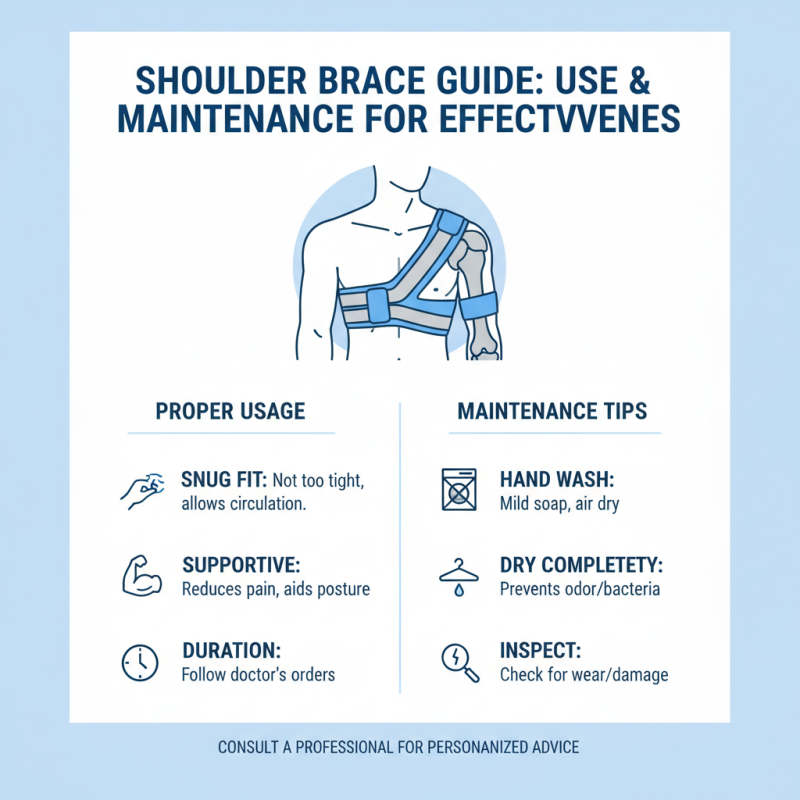
Despite their benefits, it's essential to note that shoulder braces are not a one-size-fits-all solution. Some users may experience discomfort or find the braces restrictive. Proper fitting and adjustments are crucial to maximize benefits. Consulting with a healthcare professional before use can guide you in selecting the right type of shoulder brace for your specific needs. This way, individuals can make informed decisions on their journey toward pain relief.

Understanding Shoulder Pain: Common Causes and Symptoms
Shoulder pain can significantly affect daily activities. Common causes include injuries, arthritis, or overuse. According to a study published by the American Academy of Orthopaedic Surgeons, nearly 70% of people experience shoulder pain at some point. This statistic highlights the widespread nature of this issue.
Symptoms of shoulder pain often include limited range of motion, stiffness, and discomfort during specific movements. A report from the National Institute of Health suggests that rotator cuff tears are a frequent culprit, particularly among athletes and older adults. For many, this pain can be persistent, leading to chronic discomfort and decreased quality of life. Even minor tasks like reaching for an item may become challenging.
Understanding these common causes and symptoms is crucial. It informs treatment decisions. Some individuals may overlook their pain, believing it's temporary. However, ongoing symptoms warrant attention. Seeking professional advice can lead to effective pain management strategies. For many, incorporating shoulder braces offers support and relief, facilitating recovery and improving function.
The Role of Shoulder Braces in Pain Management Strategies
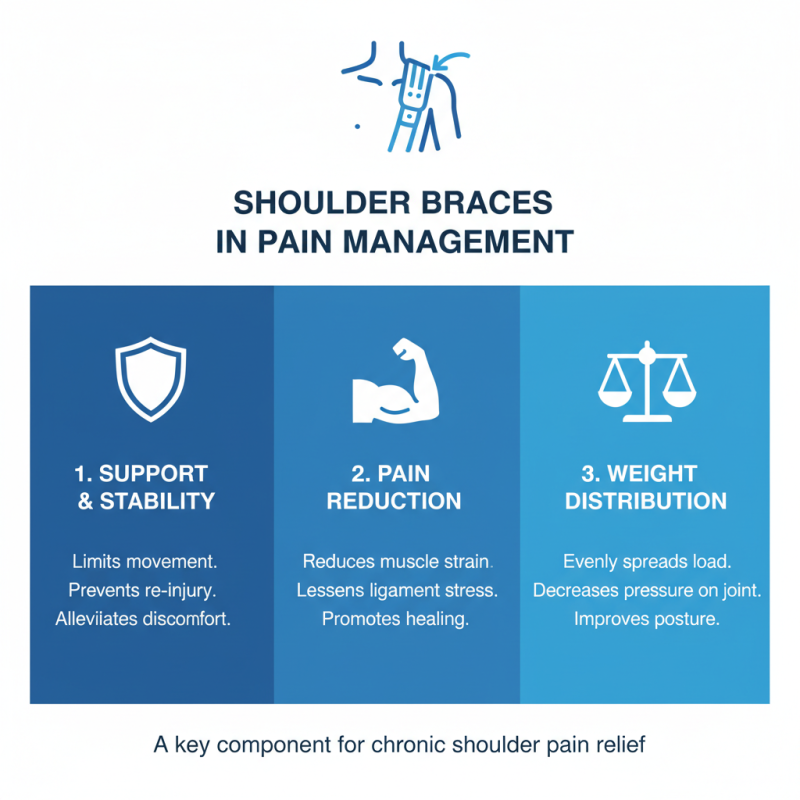
Shoulder braces can play a crucial role in pain management strategies. For individuals suffering from chronic shoulder pain, these devices offer support and stability. They help to limit movement, which can prevent further injury and alleviate discomfort. The right brace can distribute weight evenly across the shoulder joint, reducing strain on muscles and ligaments.
Incorporating shoulder braces into your pain management plan could promote healing. Many people find that wearing a brace allows them to engage in daily activities with reduced pain. However, it's essential to choose the right type. Not all braces are created equal. Some might feel too restrictive, while others may not provide enough support.
Feedback from users can vary. Some report significant relief while others notice minimal effects. This inconsistency highlights the need for personal experimentation with different options. Consulting with a healthcare professional is always advisable. They can provide insights tailored to your individual condition, ensuring you choose an effective brace for your specific needs.
Types of Shoulder Braces: Finding the Right Fit for Your Needs
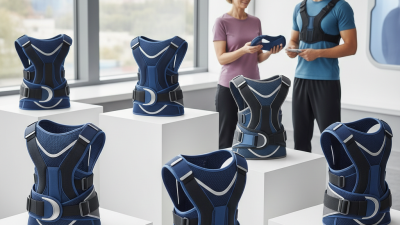
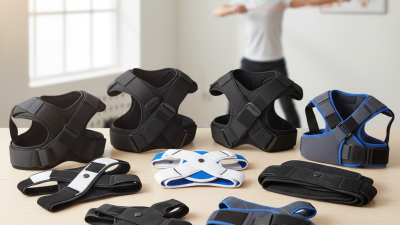
When selecting a shoulder brace for pain relief, it’s essential to understand the types available. Different braces serve various purposes, such as providing stability, compression, or immobilization. A study revealed that about 80% of individuals found relief from shoulder pain using appropriate braces. This statistic highlights the importance of choosing the correct type.
For example, a compression brace is ideal for mild injuries. It provides support while allowing some mobility. However, if you have a severe injury, a rigid immobilization brace might be necessary. According to the American Academy of Orthopaedic Surgeons, the right fit can significantly improve recovery times.
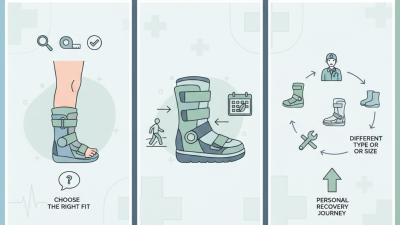
Finding the right shoulder brace requires consideration of your specific needs. A poorly fitting brace can cause discomfort or even exacerbate the issue. Consider factors like the level of pain and activity you engage in. A survey indicated that 65% of users were dissatisfied with their brace selection due to a lack of understanding of their condition. Thus, consulting with a healthcare professional can be invaluable.
Types of Shoulder Braces for Pain Relief
This chart illustrates the effectiveness of various types of shoulder braces in providing pain relief based on user surveys. Each type of brace has different applications and levels of user satisfaction.
Benefits of Using Shoulder Braces for Pain Relief and Support
Shoulder braces are a popular choice for many dealing with pain. They provide
support and stability during daily activities. This can be especially helpful for people recovering
from injuries or dealing with chronic pain. Wearing a brace can relieve pressure on the shoulder
joint, allowing for better movement and less discomfort.
The benefits extend beyond pain relief. Many users report improved posture when wearing a shoulder brace.
This can lead to better alignment and reduce strain on the neck and back. Additionally, shoulder braces
can offer warmth to the affected area, which may help with blood circulation. Enhanced
circulation promotes healing and reduces stiffness, making everyday tasks easier.
However, there are important considerations. Over-reliance on a brace may lead to weakened
muscles if not balanced with proper exercises. It’s crucial to consult a healthcare professional
before using a shoulder brace. They can provide advice tailored to individual needs and ensure
that the brace is used correctly. Finding the right balance between support and activity is essential
for long-term recovery and well-being.