Why Is Plaster Bandage Essential for Crafting and Medical Applications
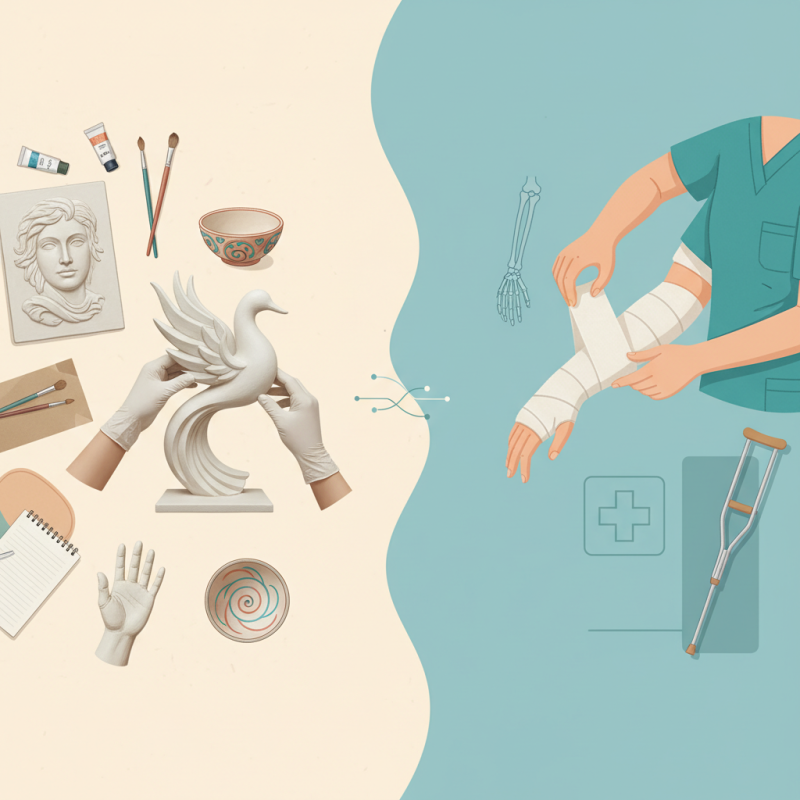
Plaster Bandage is a versatile and indispensable material utilized in both crafting and medical applications. Its unique properties enable it to adhere closely to various surfaces while providing a durable and supportive structure, making it an ideal choice for a wide range of projects. In the world of crafting, Plaster Bandage allows artists and designers to create intricate sculptures, decorative pieces, and personalized molds, showcasing creativity and ingenuity. Meanwhile, in medical settings, its role becomes even more critical as it is employed in the immobilization of fractures and injuries, ensuring proper healing and recovery.
The expanding popularity of Plaster Bandage in various fields underscores its significance. Crafting enthusiasts appreciate its ease of use and adaptability, while healthcare professionals rely on its reliable performance for patient care. As an essential component, Plaster Bandage bridges the gap between creativity and functionality, supporting both artistic expression and the well-being of individuals.
In this article, we will delve deeper into the reasons why Plaster Bandage is crucial for both crafting and medical purposes. By exploring its characteristics, applications, and benefits, we will highlight the ways in which this remarkable material continues to enhance creativity in arts and ensure effective medical treatment.
The Role of Plaster Bandage in Crafting Applications
Plaster bandage plays a vital role in the crafting community due to its unique properties that allow for versatility and creativity. Artists and crafters use plaster bandage to create sturdy molds and sculptures, as it hardens quickly and provides a smooth finish that can be painted or textured afterward. Its ease of use makes it an excellent choice for both beginners and seasoned artisans, enabling them to experiment with shapes and forms without the need for specialized tools.
In addition to its functional benefits, plaster bandage fosters a sense of creativity in various crafting projects. Whether making decorative items, artistic installations, or functional pieces, the material’s adaptability allows for diverse applications. Crafters can layer the bandage to achieve different thicknesses, creating unique textures and structural integrity. Moreover, its lightweight nature after curing ensures that the final products remain manageable, making it an attractive choice for projects that require portability or display. This combination of practicality and creative freedom solidifies plaster bandage's essential role in the world of crafting.
Benefits of Using Plaster Bandage in Medical Settings
Plaster bandage plays a vital role in medical settings due to its versatility and effectiveness in immobilizing injuries. One of its primary benefits is its ability to provide support to broken bones and sprains, facilitating proper healing. The bandage is easy to mold, allowing healthcare providers to create a customized fit that stabilizes the injured area while minimizing discomfort for the patient. This precise application is crucial for ensuring that the fractured bones align correctly as they heal.
Additionally, plaster bandage is cost-effective and readily available, making it a preferred choice for many healthcare facilities. Its setting time is relatively short, allowing for quick application and enabling medical professionals to attend to multiple patients effectively. This rapid application reduces wait times and enhances the overall patient experience. Furthermore, the porous nature of the bandage allows for skin breathability, which is essential in preventing skin irritations or infections during the healing process. Overall, the advantages of using plaster bandage in medical settings underscore its indispensable role in patient care and recovery.
Benefits of Using Plaster Bandage in Medical Settings
Comparison of Plaster Bandage and Other Medical Dressings
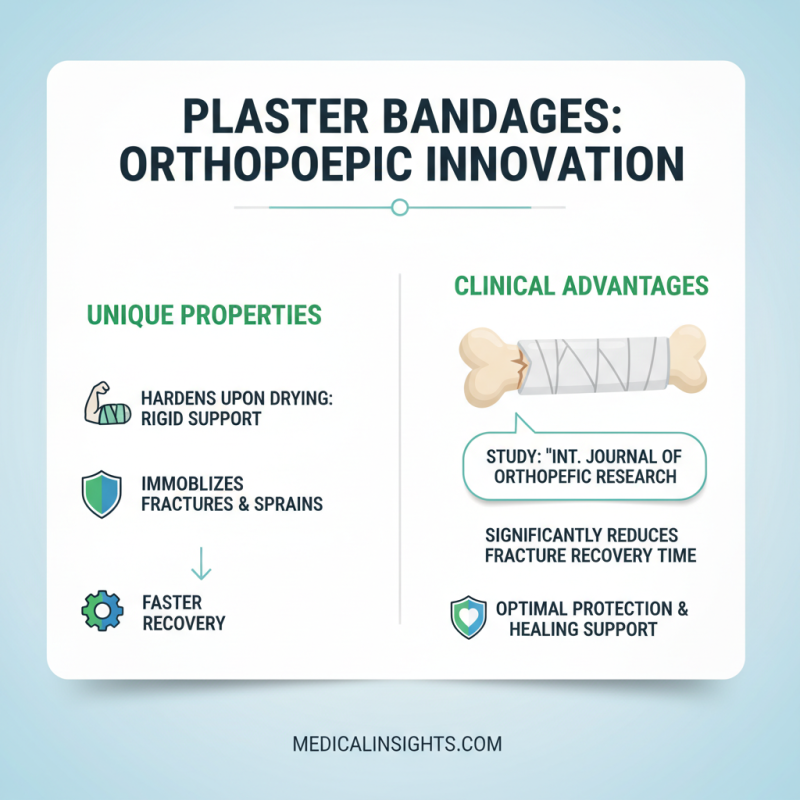
When it comes to medical dressings, plaster bandages stand out due to their unique properties and versatility. Unlike traditional gauze or adhesive bandages, plaster bandages harden upon drying, creating a rigid support structure that is essential for immobilizing fractures or sprains. A study published in the "International Journal of Orthopedic Research" indicates that using plaster bandages can significantly reduce the recovery time for fractures compared to soft dressings, providing both protection and support that fosters optimal healing.
In comparison to other medical dressings such as hydrocolloid or foam dressings, plaster bandages excel in situations requiring firm stabilization. Hydrocolloid dressings are effective in managing minor wounds and promoting moisture, but they fall short in providing the necessary rigid support for injuries that demand immobilization. Moreover, research shows that plaster bandages have a lower risk of complications in orthopedic applications, primarily due to their structural integrity and ease of use.
**Tip**: When applying plaster bandage, ensure the skin is clean and dry to enhance adhesion and prevent complications. Also, consider using a stockinette over the skin to provide a protective barrier between the bandage and the skin surface. With proper technique, plaster bandages can be an invaluable tool in both crafting and medical settings, offering durability and support where it is most needed.
Techniques for Applying Plaster Bandage Effectively
When it comes to effectively applying plaster bandage, mastering the techniques is crucial for achieving the desired results in both crafting and medical applications. Plaster bandages are typically composed of a fabric material impregnated with plaster of Paris. To ensure a successful application, it is essential to prepare the surface adequately. This often involves cleaning and possibly moistening the area where the bandage will be applied, allowing for better adhesion and a smoother finish. According to a study published in the Journal of Clinical Orthopaedics, the proper application of plaster bandage can significantly influence the healing process, with correctly applied casts reducing recovery time by up to 30%.
Once the surface is ready, the process begins with cutting the plaster bandage to the required size. It is important to work quickly, as the bandage begins to set soon after being immersed in water. During application, it's vital to overlap the layers sufficiently, typically by about half the width of the bandage. This ensures even distribution and enhances the strength of the mold or cast formed. An analysis from the American Academy of Orthopaedic Surgeons indicates that consistent layering can improve shell durability, decreasing the likelihood of cracking and offering greater support to injured areas.
In addition, the use of techniques such as smoothing with fingers or tools can help remove air bubbles that may weaken the structure. Once applied, keeping the bandage in a secure, undisturbed position allows for optimal curing. Research indicates that a curing period of 24 to 48 hours is recommended for the best outcomes. By understanding and implementing these techniques, users can maximize the effectiveness of plaster bandages, whether for artistic purposes or medical needs.
Why Is Plaster Bandage Essential for Crafting and Medical Applications - Techniques for Applying Plaster Bandage Effectively
| Application Area |
Purpose |
Techniques for Application |
Advantages |
| Crafting |
Create molds and sculptures |
Layering and smoothing techniques |
Durable, lightweight, and easy to work with |
| Medical |
Casting broken bones |
Wrapping method and proper support |
Strong support and immobilization |
| Art Therapy |
Promote healing through creativity |
Mixed media and layering |
Emotional expression and skill development |
| Education |
Demonstrate anatomy or structural concepts |
Building models and sculptures |
Hands-on learning and visual representation |
Safety and Handling Precautions for Plaster Bandage Use
When using plaster bandage for crafting or medical applications, safety and handling precautions are paramount to ensure a safe and effective experience. Always start by wearing protective gear, such as gloves and masks, to prevent direct contact with the plaster dust and wet mixture. This is especially important for those with sensitive skin or allergies, as the plaster can cause irritation. Ensure that your work area is well-ventilated, as working with plaster can release fine particles into the air, which could be harmful when inhaled.
Tips: Before applying plaster bandage, it's advisable to prepare the skin by cleaning the area thoroughly and, when necessary, applying a barrier cream. This can help prevent skin irritation. Moreover, when working with children or delicate skin, opt for low-dust or hypoallergenic formulas whenever available. Always have water accessible for quick cleanup in case of spills or accidents.
Storage and disposal of plaster bandage materials also require attention. Store plaster bandages in a cool, dry place to prevent premature setting. Once you’re done, any unused mixture should be disposed of in accordance with local waste regulations, as plaster can harden and lead to drainage issues if improperly discarded. By following these basic safety and handling tips, users can enjoy the benefits of plaster bandage in both crafting and medical contexts while minimizing risks.