What is Medical Tape and How It Benefits Your Health and Wound Care
Medical tape plays a crucial role in the realm of healthcare, particularly in
wound care management.
This adhesive product not only secures dressings but also offers support to various anatomical structures, thereby facilitating the healing process. According to a
report by Market Research Future,
the global medical tape market is expected to reach a value of
$8.5 billion by 2025, driven by its increasing application in surgical procedures and chronic wound management.
This growth highlights the essential role that medical tape plays in promoting patient well-being and enhancing clinical outcomes.
Dr. Emily Johnson, a renowned expert in wound care management, emphasizes the importance of medical tape in her practice, stating,
"The right medical tape can make a significant difference in how a wound heals, by providing both protection and support."
This underscores the necessity for healthcare professionals to choose high-quality medical tape tailored to specific patient needs. As we delve deeper into the various types of medical tape available and their unique benefits, it becomes clear that this often-overlooked tool serves an indispensable role in contemporary healthcare, optimizing patient recovery and improving overall health outcomes.
Understanding the Different Types of Medical Tapes and Their Uses
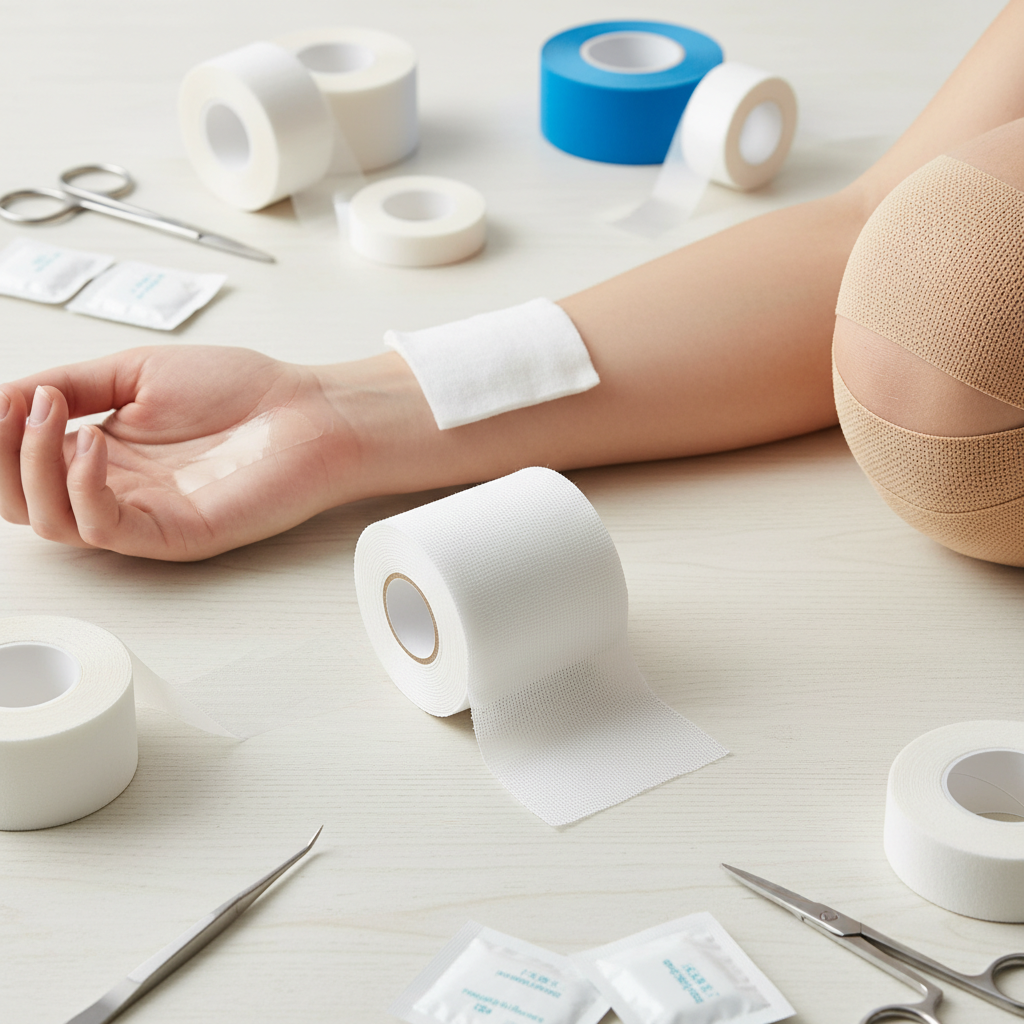
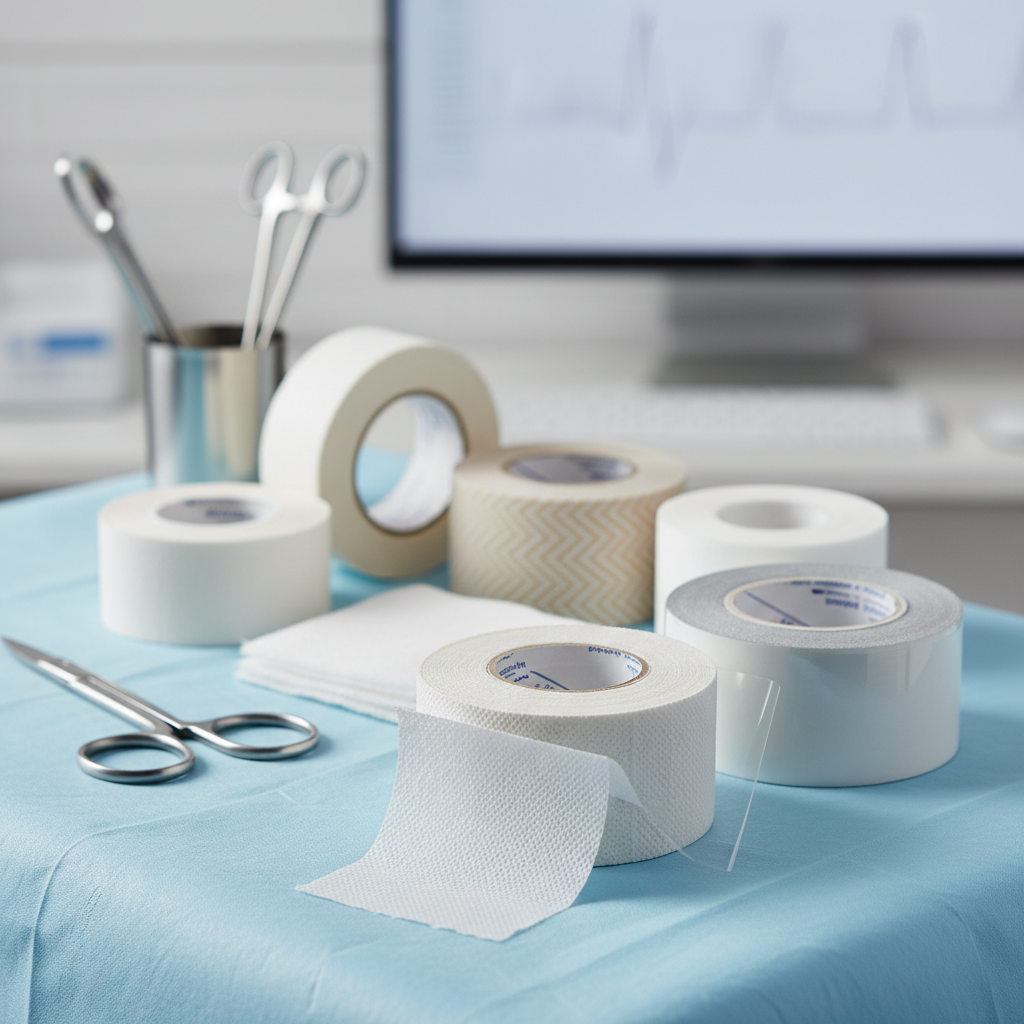
Medical tape is a versatile tool in healthcare, serving various purposes in wound care and medical applications. There are several types of medical tapes, each designed for specific uses depending on the patient's needs and the nature of the injury. Adhesive fabric tape is commonly used for securing dressings or bandages, providing strength and durability while allowing for flexibility. This type of tape is breathable and suitable for larger wounds that require a strong hold.
Another important type is paper tape, which offers gentler adhesion and is often used for sensitive skin or in areas where the tape may be removed frequently. It is less likely to cause irritation and is ideal for children or patients with delicate skin. Transparent film tape is utilized for its waterproof properties, making it a better option for incisions or wounds that may be exposed to moisture. Understanding these variations is crucial for effective treatment and ensuring patient comfort during the healing process.
Types of Medical Tapes and Their Uses
The Importance of Medical Tape in Wound Care and Healing Processes
Medical tape plays a crucial role in wound care and healing processes, serving not only as a protective barrier but also as an essential tool for promoting patient recovery. According to a report by the National Institutes of Health, effective wound management can significantly reduce the risk of infection, which is critical since approximately 1 in 10 surgical patients is affected by postoperative infections. By using medical tape to secure dressings and maintain a sterile environment, healthcare professionals can enhance healing while minimizing complications.
Moreover, medical tape is designed to be gentle on the skin while providing strong adhesion, which is vital for the patient’s comfort. A study published in the Journal of Wound Care found that the right type of medical tape can improve the healing time of wounds by up to 30%. Adhesive advancements have led to tapes being developed that are breathable and water-resistant, allowing wounds to maintain an optimal healing environment without compromising the skin’s integrity. This demonstrates that choosing the appropriate medical tape is not just about securing a dressing; it is a fundamental aspect of modern wound care that can lead to faster recovery and better health outcomes.
How Medical Tape Promotes Skin Integrity and Prevents Infection
Medical tape plays a crucial role in wound care by promoting skin integrity and preventing infection. According to a report by the Wound, Ostomy and Continence Nurses Society (WOCN), effective wound management can reduce the risk of infection by as much as 50%, highlighting the importance of proper tape usage. Medical tapes are designed with materials that are gentle on the skin, ensuring that they adhere well without causing irritation or damage, which is vital for maintaining skin integrity.
Moreover, many medical tapes feature antimicrobial properties that not only create a barrier against external contaminants but also promote a moist wound environment conducive to healing. A study published in the Journal of Wound Care found that wounds treated with antimicrobial medical tapes exhibited a 30% faster healing time compared to those managed with traditional dressings. This emphasizes the dual role of medical tape: protecting the skin while also facilitating a quicker recovery, thus making it an indispensable tool in effective wound care. By utilizing specialized medical tapes, healthcare professionals can significantly enhance patient outcomes while minimizing the risk of infection.
What is Medical Tape and How It Benefits Your Health and Wound Care
| Feature |
Description |
Health Benefits |
| Adhesion |
Strong and lasting attachment to the skin without causing damage. |
Helps in securing dressings, preventing pathogens from entering the wound. |
| Breathability |
Allows moisture and air to pass through, reducing moisture buildup. |
Reduces the risk of maceration, promoting faster healing. |
| Gentle on Skin |
Designed to minimize irritation and allergic reactions. |
Ensures patient comfort during treatment and reduces skin damage. |
| Water Resistance |
Able to maintain functionality even when exposed to moisture. |
Protects the wound from water, which can introduce bacteria. |
| Variety of Types |
Different types designed for various medical needs (e.g., surgical, athletic). |
Provides tailored solutions for specific wound care scenarios. |
Benefits of Specialized Medical Tapes for Sports Injuries and Rehabilitation
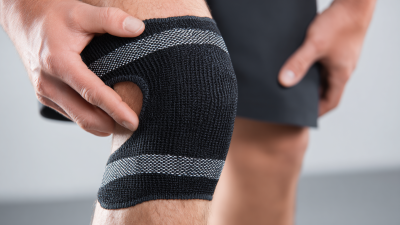
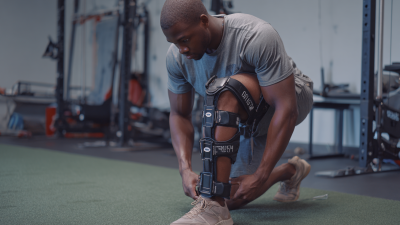
Specialized medical tapes play a crucial role in managing sports injuries and facilitating rehabilitation. These tapes are specifically designed to provide support and stabilization to injured muscles and joints, allowing athletes to continue their activities with a reduced risk of further injury. One of the main benefits is their ability to enhance proprioception, which helps athletes become more aware of their body positioning and movements. This increased awareness can lead to better control and a safer performance during recovery.
Additionally, medical tapes can aid in reducing swelling and pain associated with sports injuries. Many of these tapes feature elastic properties that allow for a degree of movement while still providing necessary compression. This not only helps in maintaining blood circulation but also offers relief from discomfort. Furthermore, some specialized tapes are designed with adhesive properties that allow them to stay in place longer than standard athletic tape, which is essential during prolonged practices or competitions. As a result, athletes can experience improved function and comfort, ultimately leading to a more effective rehabilitation process.
Choosing the Right Medical Tape for Your Health Needs and Lifestyle
When selecting the right medical tape for your health needs and lifestyle, it is important to consider various factors that can enhance your wound care experience. First, assess the type of injury or condition you are addressing. Different tapes are designed for specific purposes, such as securing dressings, immobilizing joints, or providing compression. For instance, non-woven fabric tapes are ideal for sensitive skin and can be used on larger areas, while hypoallergenic options are perfect for individuals prone to allergic reactions.
Additionally, think about the durability and flexibility you require from the tape. If you lead an active lifestyle, you may benefit from water-resistant options that can handle sweat and exposure to moisture. On the other hand, if comfort is your priority, look for soft, breathable tapes that minimize irritation. By understanding your specific health needs and daily activities, you can choose a medical tape that not only supports effective wound management but also integrates seamlessly into your lifestyle.