Why You Should Choose a Knee Splint for Injury Recovery and Pain Relief
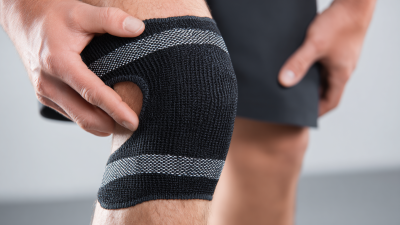
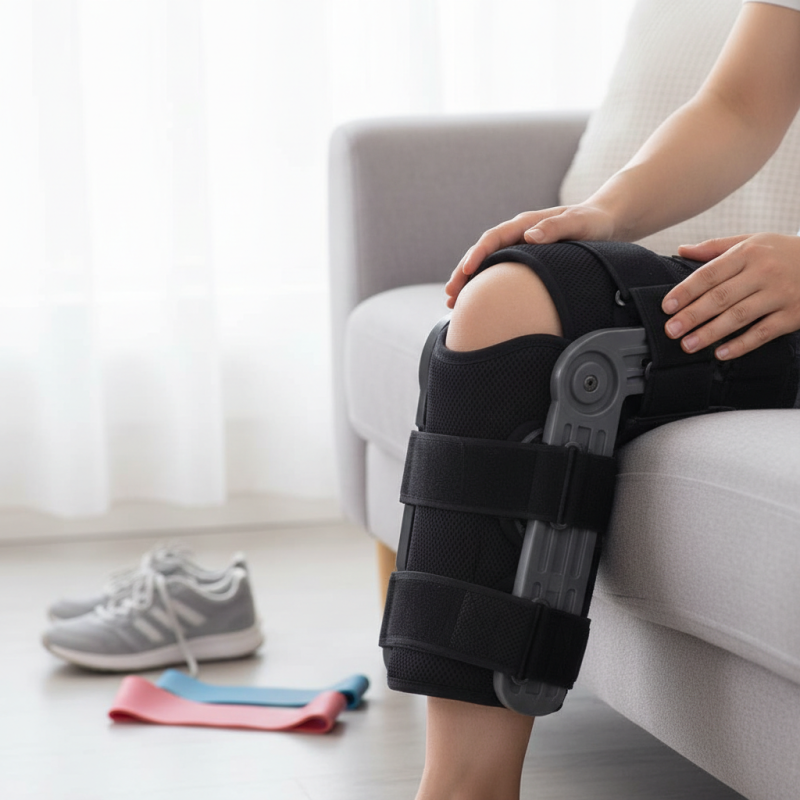
In the realm of injury recovery and pain management, the role of a knee splint cannot be underestimated. Designed to provide support and stability, a knee splint is an essential tool for individuals recovering from knee injuries, surgeries, or chronic pain conditions. By immobilizing the knee joint, it allows the body to heal naturally while minimizing discomfort and preventing further injury. The importance of using a knee splint lies not only in its ability to alleviate pain but also in its contribution to the overall recovery process.
Patients often find that utilizing a knee splint significantly improves their mobility and functionality during rehabilitation. With both adjustable and rigid options available, knee splints can be tailored to meet individual needs, ensuring optimal support throughout the healing journey. As a result, these devices are not merely for temporary relief; they serve as a critical component of a comprehensive treatment plan aimed at enhancing recovery outcomes. From athletes to individuals with everyday knee stress, the right knee splint can be pivotal in restoring strength, stability, and confidence.
Benefits of Using a Knee Splint for Injury Recovery
Knee injuries are common, affecting millions of individuals across various athletic and non-athletic backgrounds. Research indicates that more than 25% of all sports-related injuries involve the knee. As a result, utilizing a knee splint during recovery can significantly aid in alleviating pain and promoting healing. Knee splints work by providing the necessary support to immobilize the joint, which is critical for preventing further damage and ensuring a more effective recovery process. A report by the American Academy of Orthopaedic Surgeons highlights that appropriate use of immobilization devices can shorten recovery times by up to 30%.
In addition to physical stability, knee splints offer considerable pain relief. According to a study published in the Journal of Orthopaedic Research, patients using knee braces reported a reduction in pain levels by nearly 50% compared to those who did not use support devices. This may be particularly beneficial for individuals suffering from conditions like tendinitis or post-surgical recovery, where controlled movement can lead to enhanced comfort. By effectively distributing weight and minimizing strain on the knee, splints facilitate a safer recovery environment, allowing individuals to gradually return to their daily activities while actively managing pain.
Types of Knee Splints Available for Different Injuries
Knee injuries are among the most common musculoskeletal complaints, affecting millions worldwide. According to the American Academy of Orthopaedic Surgeons, approximately 18 million knee braces are sold each year in the United States alone. This highlights the increasing reliance on knee splints to aid in recovery and provide pain relief. Different types of knee splints are designed to cater to various injuries, ensuring that individuals can find support tailored to their specific needs.
Among the available options, functional knee splints are intended for those recovering from ligament injuries, such as an anterior cruciate ligament (ACL) tear. These splints allow for controlled movement while offering stability, which is crucial during rehabilitation. In contrast,immobilization splints are utilized post-surgery or for severe cases where complete rest of the knee joint is required. According to a journal published in the Journal of Orthopaedic Research, immobilization splints can significantly reduce pain and promote healing by minimizing unnecessary movement during the recovery phase. Additionally, adjustable knee braces are available for those with conditions like osteoarthritis, providing compression and support to alleviate joint pain while allowing for mobility. The right selection of knee splint can play a pivotal role in expediting recovery and enhancing comfort, making it essential to understand the various types available for different injuries.
Types of Knee Splints for Injury Recovery and Pain Relief
How Knee Splints Provide Pain Relief and Support
Knee splints are an effective tool for injury recovery and pain relief, providing much-needed support to the knee joint. One of the primary ways they offer relief is by stabilizing the knee, which can help alleviate pain caused by sprains, strains, or post-surgery discomfort. The splint immobilizes the joint, allowing the surrounding muscles and ligaments to heal more effectively. Whether you are dealing with a sports injury or chronic knee pain, a splint can limit movement and reduce the strain on the affected area, contributing to a faster recovery.
When using a knee splint, it’s important to consider a few key tips. First, ensure that the splint fits properly; it should be snug but not restrictive, allowing for blood circulation while providing adequate support. Secondly, always follow the recommended duration for wear, as overuse can lead to stiffness. Lastly, combine the use of a splint with physical therapy exercises tailored to your injury. This combination can significantly enhance mobility and strengthen the muscles around the knee, further aiding in pain relief.
In addition to physical stability, knee splints also provide psychological comfort. Knowing that the knee is supported can alleviate anxiety about movement, enabling individuals to gradually return to their normal activities. Overall, knee splints serve as a practical solution for those looking to manage pain and expedite the recovery process effectively.
Why You Should Choose a Knee Splint for Injury Recovery and Pain Relief
| Feature |
Description |
Benefits |
| Support |
Provides stability to the knee joint during recovery. |
Reduces risk of further injury, promotes healing. |
| Pain Relief |
Helps to alleviate discomfort through compression and immobilization. |
Improves quality of life during recovery period. |
| Adjustable Fit |
Can be adjusted for comfort and level of support. |
Ensures a personalized fit for varied needs. |
| Lightweight Design |
Made from breathable materials for comfort. |
Allows for mobility and daily activities during recovery. |
| Versatile Use |
Suitable for various conditions, including ACL injuries, sprains. |
Can be used by athletes and non-athletes alike. |
Guidelines for Choosing the Right Knee Splint
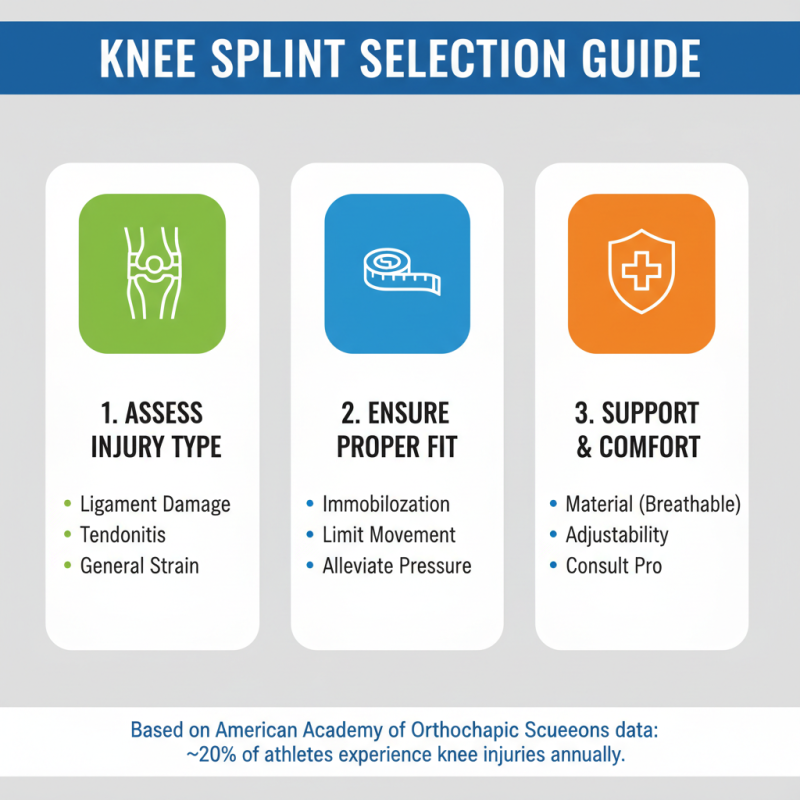
When selecting a knee splint for injury recovery and pain relief, it's crucial to consider several guidelines to ensure optimal support and comfort. First, assess the type of injury you are dealing with—whether it's ligament damage, tendonitis, or a general knee strain. According to the American Academy of Orthopaedic Surgeons, almost 20% of athletes experience knee injuries each year, highlighting the importance of choosing the right splint to facilitate recovery. A well-fitted splint can help immobilize the knee, limit movement during the healing process, and alleviate pressure on inflamed tissues.
Another critical factor is the level of support required. Knee splints come in various designs, including adjustable options that allow for customized compression and stability. A study published in the Journal of Sports Medicine found that adaptable knee braces offer superior outcomes over rigid splints for certain injuries, allowing greater freedom of movement while still providing necessary support. Additionally, consider the material of the splint; breathable, moisture-wicking fabrics can enhance comfort, especially for extended wear. Finally, consult with a healthcare professional or physical therapist to determine the most suitable splint that aligns with your activity level and specific recovery goals.
Tips for Proper Usage and Maintenance of Knee Splints
Knee splints are essential tools for injury recovery and pain relief, but to maximize their effectiveness, proper usage and maintenance are crucial. According to the American Academy of Orthopaedic Surgeons, about 25% of the adult population experiences knee pain at some point in their lives, making the need for supportive devices like knee splints more prevalent.
When using a knee splint, it is important to ensure that the device fits snugly but comfortably. An improper fit can lead to reduced effectiveness and may even cause additional discomfort. Regularly checking the fit as swelling and inflammation decrease during recovery is essential.
Maintaining your knee splint is equally important for ensuring its longevity and effectiveness. Regular cleaning, as per manufacturer recommendations, not only enhances hygiene but also ensures that the materials remain effective in providing support. A study published in the Journal of Orthopedic Research indicates that neglected equipment can harbor bacteria, leading to skin irritations or infections. Additionally, inspecting the splint for signs of wear and tear, such as fraying straps or stiff hinges, can prevent setbacks in recovery.
Being proactive about these maintenance tips helps ensure that your knee splint provides the optimal support needed for healing and pain relief.