Leave Your Message

How to Choose Neck Braces for Wholesale and Global Sourcing

Choosing Neck Braces for wholesale and global sourcing is not just a price comparison. Buyers must match the brace to its intended use, confirm product specifications, and check that packaging and instructions are clear. A collar that looks sturdy on a screen may feel stiff, warm, or poorly fitted once worn. Small details matter: edge finishing, adjustable closures, material feel, and consistency between samples and bulk orders.

The World Health Organization’s Global Status Report on Road Safety 2023 estimates that road crashes cause about 1.19 million deaths each year. That figure is not a measure of neck-brace demand, but it underscores why buyers should treat product claims and intended use carefully. For sourcing decisions, compare documented materials, quality-control processes, labeling, and supplier traceability. Request samples and inspect them against written specifications. One uncomfortable truth: the lowest quotation can hide costly variation.

Industry reports can help frame market research, but their definitions may differ. Some count medical cervical collars; others include sports or posture products. Do not treat unlike figures as directly comparable. I cannot verify a reliable, attributable quotation from a named Neck Braces industry expert, so I will not invent one. A credible purchasing guide should instead distinguish sourced evidence from opinion, and explain what remains uncertain. This outline introduces practical criteria for evaluating suppliers, comparing products, and building a sourcing process that prioritizes consistency over persuasive marketing.
How to Choose Neck Braces for Wholesale and Global Sourcing

Understanding Neck Brace Types and Their Intended Uses

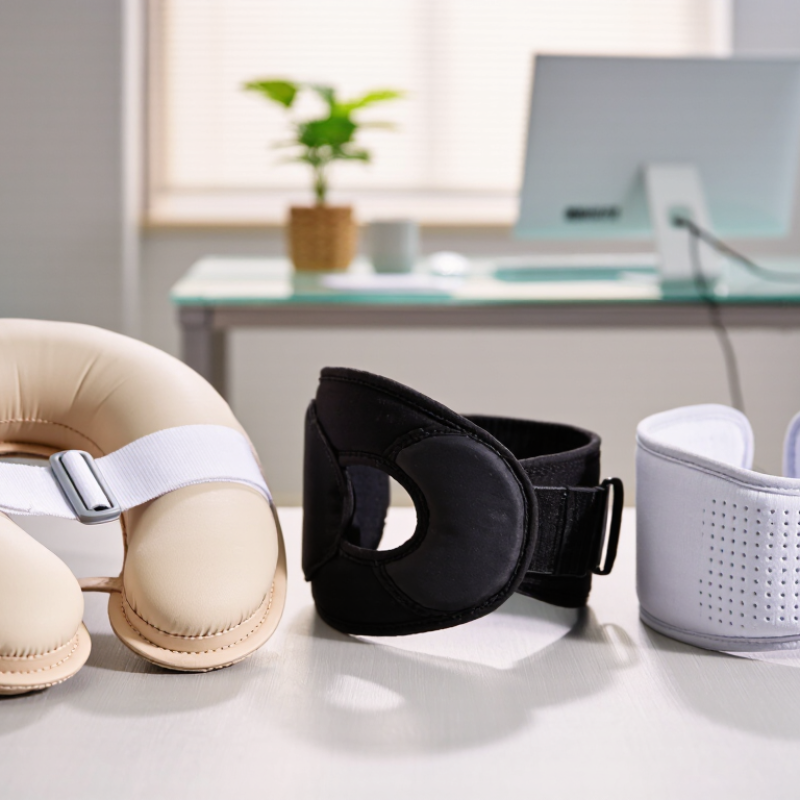
Neck braces serve different purposes, so product categories matter more than appearance. Soft foam collars limit some movement and may suit short-term comfort support. They are not designed to stabilize every neck injury. Rigid collars restrict motion more firmly and are typically selected under clinical direction. Fit is crucial. A collar that presses beneath the jaw or leaves gaps can cause discomfort and reduce support.

Post-operative braces may include adjustable supports or chest extensions to help control movement during recovery. These products require clear fitting instructions and careful review of their intended use. “Cervical brace” is a broad label, not a complete specification. Buyers should check materials, size ranges, adjustment points, cleaning guidance, and stated use with suppliers. Ask for measurable details, such as neck circumference ranges and how height is adjusted. Small differences matter.

For wholesale and global sourcing, match each brace type to a defined user need rather than treating all models as interchangeable. Confirm product documentation and quality checks before placing an order, especially for devices intended for clinical settings. Regional terminology can vary, and catalog descriptions may be vague. That deserves a second look. A practical sample review can reveal stiff edges, weak fasteners, or confusing instructions that a specification sheet misses. Appropriate selection should involve qualified healthcare guidance when a brace is being used for an injury or recovery.

How to Choose Neck Braces for Wholesale and Global Sourcing

Understanding neck brace types and their intended uses

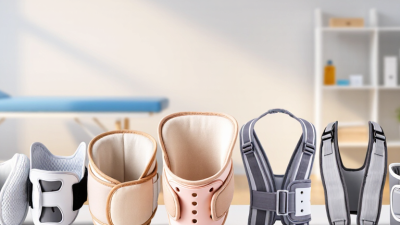
This educational comparison ranks typical immobilization scope from 1 to 5, based on the brace design and anatomical coverage. Soft collars are generally intended for light, temporary support, while rigid collars, cervicothoracic orthoses, and halo-based systems are used when progressively greater cervical immobilization is required. Actual selection should follow clinical assessment, sizing requirements, applicable regulations, and local purchasing standards.

Defining Market Needs and Product Specifications

A dependable sourcing plan begins with the people who will use the brace. Ask buyers which sizes they need, how long products are typically worn, and what support level clinicians recommend. Neck braces may serve different purposes, so avoid treating one design as suitable for every user. Clear needs reduce costly guesswork.

Turn those findings into measurable specifications. Record size ranges, collar height, closure type, material composition, and adjustment points. Check that edges feel smooth against skin and fasteners remain secure after repeated opening. Request samples in several sizes. Fit matters.

For wholesale orders, define packaging, labeling language, inspection criteria, and acceptable variation before production. Ask suppliers for material and quality documentation, then compare it with the actual sample. A specification sheet can miss small but important details, such as a clasp that is difficult to operate with one hand. We may overlook these at first. Review feedback from users and procurement teams, and revise the requirements when evidence shows a mismatch.

Assessing Suppliers, Certifications, and Compliance

How to Choose Neck Braces for Wholesale and Global Sourcing

A reliable neck brace supplier should provide more than a certificate image. Ask for the full document, its issuing body, validity dates, and the exact product models it covers. A certificate for a factory or another product may not apply to the brace you plan to buy. Requirements also vary by destination market, so confirm applicable rules with a qualified compliance professional before placing a large order.

Check whether the supplier can trace materials and production batches. Request test reports for relevant details, such as strap strength, stitching, sizing, and skin-contact materials. Then compare the reports with a current sample. Small differences matter. During sourcing reviews, I would also ask how the supplier handles design changes, complaints, and rejected batches. Their answers can reveal more than a polished presentation, though paperwork alone cannot prove consistent quality.

For wholesale orders, review the quality agreement, inspection criteria, and record-retention process before approving production. Keep written versions of specifications, including measurements and packaging details. If a supplier cannot explain a document clearly, pause and verify it independently. That may slow purchasing. It is still cheaper than discovering that a shipment’s claims, labels, or test evidence do not match the product received.

How to Choose Neck Braces for Wholesale and Global Sourcing - Assessing Suppliers, Certifications, and Compliance

Assessment Area What to Verify Useful Evidence Sourcing Considerations Common Warning Signs
Intended use and product classification Confirm whether the brace is marketed for general support, injury management, or another medical purpose. Classification depends on intended use and the rules of the destination market. Product specifications, labeling, instructions for use, and a written regulatory classification rationale for each target market. Agree on the intended use and claims before requesting quotations; claims can affect regulatory obligations. Supplier descriptions make therapeutic or medical claims while providing no supporting documentation or classification information.
Quality management system Assess whether the supplier maintains documented controls for design, purchasing, production, inspection, corrective action, and traceability. Current quality-system certificate where applicable, audit report, quality procedures, and records showing how issues are managed. Check the certificate’s scope, issuing body, validity, and whether the production site and product category are covered. A certificate alone does not guarantee product quality. Expired or unverifiable certificates, mismatched facility details, or refusal to share relevant audit evidence.
Market-specific regulatory requirements Identify applicable requirements in every destination market. Medical-device rules differ by jurisdiction and depend on product claims and classification. Market-specific regulatory assessment, applicable registrations or authorizations, and compliant labeling and instructions. Confirm who is responsible for regulatory submissions, local representation, importer obligations, and maintaining technical documentation. Claims that one certificate or approval automatically permits sale in every country.
Product safety and materials Review materials that contact skin, construction, edges, fasteners, ventilation, and risks associated with intended wear. Material specifications, risk assessment, relevant test reports, and documented change-control procedures. Set agreed acceptance criteria for materials and workmanship, and require advance notice and approval for material or process changes. Undocumented material substitutions, incomplete test reports, or reports that cannot be linked to the offered product.
Fit, sizing, and usability Check sizing ranges, adjustability, closure strength, comfort, and whether instructions explain fitting and safe use. Size charts, approved samples, usability feedback, fitting instructions, and inspection records. Validate representative sizes and production samples before placing a large order; consider the needs of the intended user population. Inconsistent dimensions, unclear sizing guidance, or samples that differ from the documented specification.
Supplier and factory verification Confirm the legal identity, manufacturing location, subcontracting arrangements, capacity, and relevant production experience. Business and factory documents, facility audit, production-flow description, and approved subcontractor list. Distinguish the trading entity from the actual manufacturer and define which facilities are authorized to make the product. Unannounced factory changes, undisclosed subcontracting, or inconsistent company and facility records.
Batch consistency and traceability Verify that incoming materials, production lots, inspections, and finished goods can be traced through the supply chain. Lot or batch records, inspection plans, sample retention policy, and a documented complaint and recall process. Include traceability fields, defect limits, corrective-action timelines, and record-retention expectations in the purchase agreement. No batch identification, incomplete production records, or inability to investigate a reported defect.
Labeling and documentation Review required product identifiers, manufacturer or responsible-party details, warnings, care instructions, language, and packaging information for each market. Controlled label artwork, instructions for use, packaging specifications, and regulatory review records. Approve final artwork before production and confirm translation review and labeling responsibilities for each destination. Generic labels, missing warnings, inaccurate translations, or packaging that does not match approved artwork.
Testing and inspection Determine whether inspection and testing methods are relevant to the product’s design, materials, and risks. Test protocols, dated reports, sample identification, acceptance criteria, and pre-shipment inspection records. Use independent testing where appropriate and verify that reports identify the tested model, materials, and production source. Reports with unclear sample identity, unsupported pass claims, or testing unrelated to the product being purchased.
Commercial and logistics readiness Evaluate lead times, minimum order quantities, packaging durability, shipping terms, and capacity for repeat orders. Production schedule, packaging specification, capacity statement, and documented shipping and delivery terms. Confirm order-change controls, inspection windows, defect remedies, and responsibility for freight, duties, and import documentation. Unrealistic delivery promises, vague defect remedies, or unexpected changes to packaging and production schedules.

Note: Regulatory obligations depend on the product’s intended use, claims, design, and destination market. Verify requirements with the relevant authorities or a qualified regulatory professional before import or sale.

Comparing Materials, Sizing, and Product Quality

How to Choose Neck Braces for Wholesale and Global Sourcing

Material selection affects comfort, durability, and return rates. Common options include soft foam, breathable fabric, neoprene, and molded plastic. Foam feels gentle against the skin but may flatten after repeated use. Neoprene offers flexible support, although it can feel warm in humid climates. Molded plastic provides stronger structure, but rough edges can cause discomfort. Check whether the material has a strong odor, uneven texture, or poor ventilation. Those details matter during daily wear.

Sizing requires more than choosing small, medium, or large. Measure the neck circumference, jaw position, and brace height for each target market. A chin rest should support the jaw without forcing it upward. Fasteners must close securely while leaving practical adjustment space. Include clear size charts with centimeter measurements. Local body-size differences can affect demand. A standard range may still leave important customers behind. Test samples on different users, not only one model.

Product quality becomes visible through stitching, seams, closures, and edge finishing. Inspect several units from the same batch. One sample is not enough. I have seen attractive samples hide inconsistent foam density in later production. That lesson is easy to forget. Request pre-shipment photos, packaging checks, and random physical inspections. Confirm that labels, instructions, and material descriptions match the actual product. Keep inspection records for every shipment, even when the supplier appears reliable. Small defects can become expensive after international delivery.

Planning Orders, Logistics, and Ongoing Quality Control

How to Choose Neck Braces for Wholesale and Global Sourcing

Planning wholesale neck brace orders requires more than comparing unit prices. Start with a clear specification sheet covering size ranges, support levels, materials, closures, and packaging. Request production samples before confirming quantities. Check stitching, edge finishing, adjustability, and comfort after repeated use. A sample may feel suitable for one wearer but fail across different neck sizes.

Logistics can quietly damage margins. Confirm lead times, carton dimensions, packing counts, shipping terms, and required documentation before production. Leave room for port delays and seasonal congestion. Track each batch with production dates and inspection records. For ongoing quality control, use the same measurement checklist at pre-production, during production, and before shipment. Independent inspections can verify dimensions, labels, packaging, and visible defects. Perfect forecasting is unrealistic. A small trial order may reveal problems that samples hide.

Tips: Keep a written approval sample. Photograph approved details. Test several sizes. Review defect trends monthly. Ask suppliers to explain corrective actions, not just promise improvements. Store a few units from every shipment for future comparison. Do not rely only on final inspection. By then, rework may be expensive. Better records also support consistent decisions when products move through different factories or shipping routes.