Why Choose a Hinged Knee Brace for Joint Support and Stability?
In today’s world, many individuals seek joint support for their active lifestyles. A Hinged Knee Brace emerges as a popular choice. Leading orthopedic expert Dr. Samantha Lee states, "A Hinged Knee Brace can significantly enhance stability and reduce injury risks."
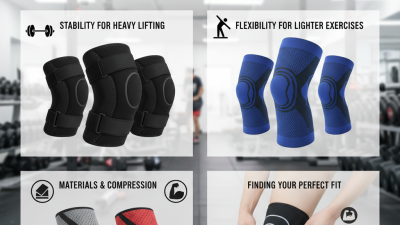
Choosing the right support is crucial. The Hinged Knee Brace offers protection while allowing movement. It balances stability and flexibility. Users often report a feeling of security during physical activities. However, some may find it cumbersome or uncomfortable. This aspect requires careful consideration.
Every knee is unique. Finding the perfect fit can be challenging. Testing different types may be necessary. A Hinged Knee Brace should ideally feel like a second skin. The right brace provides confidence in movement, yet it’s vital to monitor its impact. Reflecting on personal needs is essential in this decision-making process.
Types of Hinged Knee Braces Available in the Market
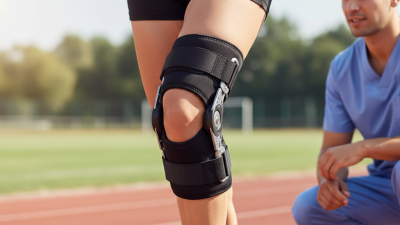
When looking for knee support, hinged knee braces offer specific options. They provide stability by limiting harmful movements. Two common types are the functional and rehabilitation braces. Functional braces help athletes during sports. Rehabilitation braces assist in recovery from injuries.
Functional braces can be made of rigid materials. They offer support during high-impact activities. Rehabilitation braces usually allow some movement. They focus on controlled healing. Both types serve important purposes.
**Tips**: Ensure a good fit. A brace that’s too tight can restrict blood flow. One that’s too loose may not provide support. Also, consider the materials used. Certain fabrics may not be breathable, leading to discomfort.
Choosing the right hinged knee brace isn't always easy. Each type has strengths and weaknesses. Understanding your needs is crucial. Sometimes, it takes trial and error to find the best fit. Reflecting on your daily activities can guide your decision.
Why Choose a Hinged Knee Brace for Joint Support and Stability?
| Type of Hinged Knee Brace |
Key Features |
Recommended For |
Price Range (USD) |
| Functional Knee Brace |
Provides maximum stability, adjustable hinges |
Post-operative recovery, ligament instability |
$70 - $150 |
| Rehabilitative Knee Brace |
Allows controlled range of motion |
Injury rehabilitation, post-surgery recovery |
$80 - $200 |
| Prophylactic Knee Brace |
Lightweight, designed to prevent injuries |
Active sports, injury prevention |
$50 - $120 |
| Custom Knee Brace |
Tailored fit for specific conditions |
Specialized support needs, chronic conditions |
$150 - $300 |
Benefits of Using a Hinged Knee Brace for Joint Support
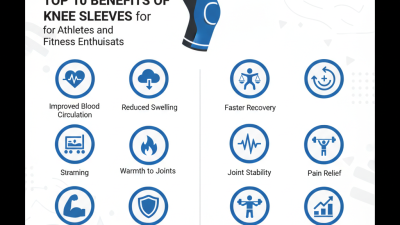
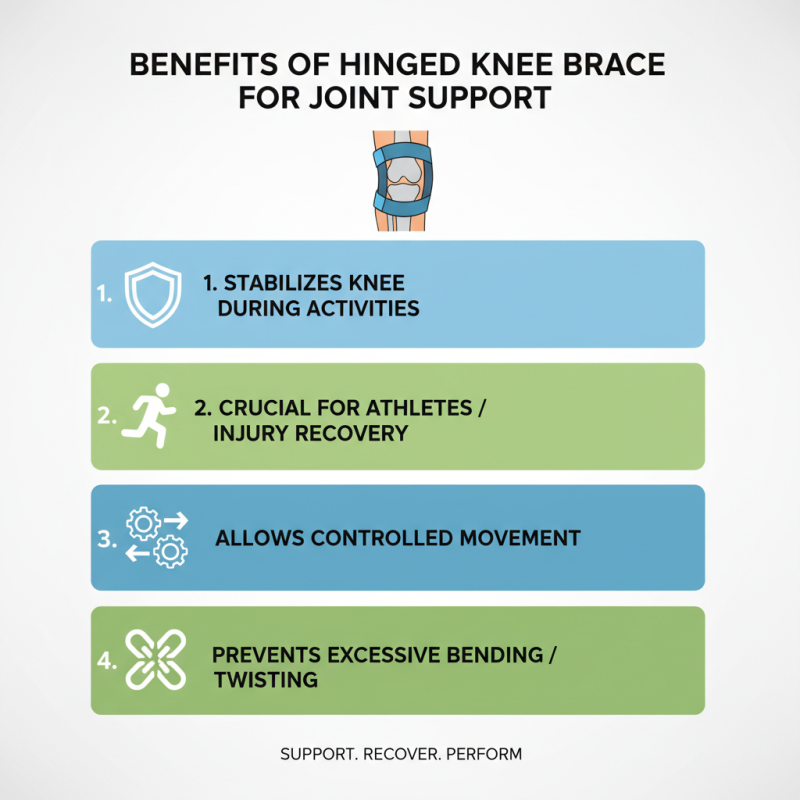
When it comes to joint support, a hinged knee brace stands out. It helps stabilize the knee during activities. This can be crucial for athletes or those recovering from injuries. The brace's design allows for controlled movement, limiting excessive bending or twisting. This can prevent further damage to already vulnerable joints.
Using a hinged knee brace can also alleviate pain. Many users report reduced discomfort while walking or exercising. It provides a sense of security, encouraging individuals to engage in physical activities. The ability to adjust the brace for a personalized fit enhances comfort levels. However, finding the perfect fit can be challenging for some. It's important to pay attention to how the brace feels during use.
Despite these advantages, there are some drawbacks. Wearing a knee brace can feel restrictive for some individuals. It may take time to adjust. Moreover, regular use without proper rehabilitation might lead to dependence. Finding the right balance between support and mobility is key. Each person's experience with a hinged knee brace may vary, emphasizing the need for thoughtful consideration.
How Hinged Knee Braces Enhance Stability During Physical Activities
Hinged knee braces are popular for providing joint support during physical activities. These braces enhance stability by limiting unwanted movements. They help prevent injuries, especially during activities like running or jumping. When wearing a hinged brace, the knee feels more secure. This added confidence can encourage athletes to push their limits.
Using a hinged knee brace may not be comfortable for everyone. Some users might experience chafing or restricted movement. Adjustments can take time, and some may struggle with the fit. However, the benefits of added support can outweigh these challenges. Proper fitting is crucial for optimum performance.
During high-impact sports, the hinged design absorbs shock. This feature helps maintain proper alignment. It also allows for controlled flexion and extension. Athletes often notice improved performance when their knees feel stable. While it may take a bit of getting used to, the right hinge brace can make all the difference.
Why Choose a Hinged Knee Brace for Joint Support and Stability?
Hinged knee braces are designed to provide enhanced support and stability during physical activities. The chart above illustrates user feedback on various aspects of joint support, highlighting the high scores in stability improvement and injury prevention, demonstrating the effectiveness of hinged knee braces in enhancing knee functionality.
Factors to Consider When Choosing a Hinged Knee Brace
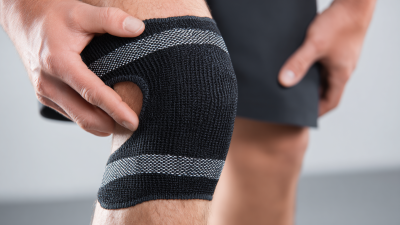
When considering a hinged knee brace, several key factors come into play. First, think about the level of support you need. If you're recovering from an injury, a brace with adjustable hinges can provide the necessary stability. However, too much stiffness might hinder movement. It's a balancing act. Comfort is another factor. A brace should fit snugly but not constrict. Look for breathable materials to avoid sweat buildup during activities.
Next, consider the size and fit of the brace. An improperly sized brace can lead to irritation or inadequate support. Measure your knee and consult sizing guides. Adjustability can also enhance the fit. Some braces have straps that allow for customization. All this helps in achieving that perfect snugness without compromising comfort. It’s essential to try on different options and compare how they feel during movement.
Lastly, pay attention to the design. A bulky or heavy brace may restrict your mobility. Some patients prefer low-profile designs that work under clothing. On the other hand, a sturdy frame often suggests durability. It’s worth reflecting on your lifestyle to determine the right choice. A knee brace should work with you, not against you. Finding the right hinged knee brace is a personal journey. Each need is unique, requiring careful consideration.
Proper Fit and Adjustment Techniques for Hinged Knee Braces
When choosing a hinged knee brace, proper fit is crucial for effective support and stability. A study by the Journal of Orthopedic Research highlights that a well-fitted brace can reduce the risk of re-injury by up to 40%. Ensuring that the brace fits snugly, but not too tight, is essential for maximum effectiveness. Measure your knee accurately to find the right size. A brace that is too loose may slip during activity, while one that is too tight can restrict blood flow.
Adjustment techniques also play a vital role. Adjust the straps while standing to allow for natural movements. Many braces have adjustable hinges for personalized support. This can significantly enhance comfort during physical activities. Check for any discomfort or pinching. If you feel any, you may need to readjust.
Tip: Always wear the brace over a thin layer of clothing for improved comfort and hygiene.
Tip: Take time to test different positions. Moving around can help you gauge if further adjustments are necessary.
Finding the right balance is an ongoing process. Continuously assess how the brace feels during various activities. A minor adjustment today can make a major difference tomorrow.